
Roofing Tips & Guides
Expert Roofing Advice for Charlotte Homeowners
Learn from Charlotte's trusted roofing experts. Tips on maintenance, repair, replacement, and protecting your home from the elements.
Learn from Charlotte's trusted roofing experts. Tips on maintenance, repair, replacement, and protecting your home from the elements.

Living in North Carolina means dealing with some serious weather. From the hurricane-force winds that slam the coast to those powerful thunderstorms that roll through Charlotte and Lake Norman, our roofs take a beating year after year.
But here's what most homeowners don't realize: you can spot 80% of potential roof problems before they become expensive disasters. And you don't need to risk your neck climbing around up there to do it.
After working with thousands of Charlotte-area families, I've learned that the homeowners who master these five inspection tricks save themselves thousands in storm damage. They catch small problems early, before North Carolina's wild weather turns them into insurance claims.
Let's dive into the inspection techniques that'll help you protect your home and your wallet.
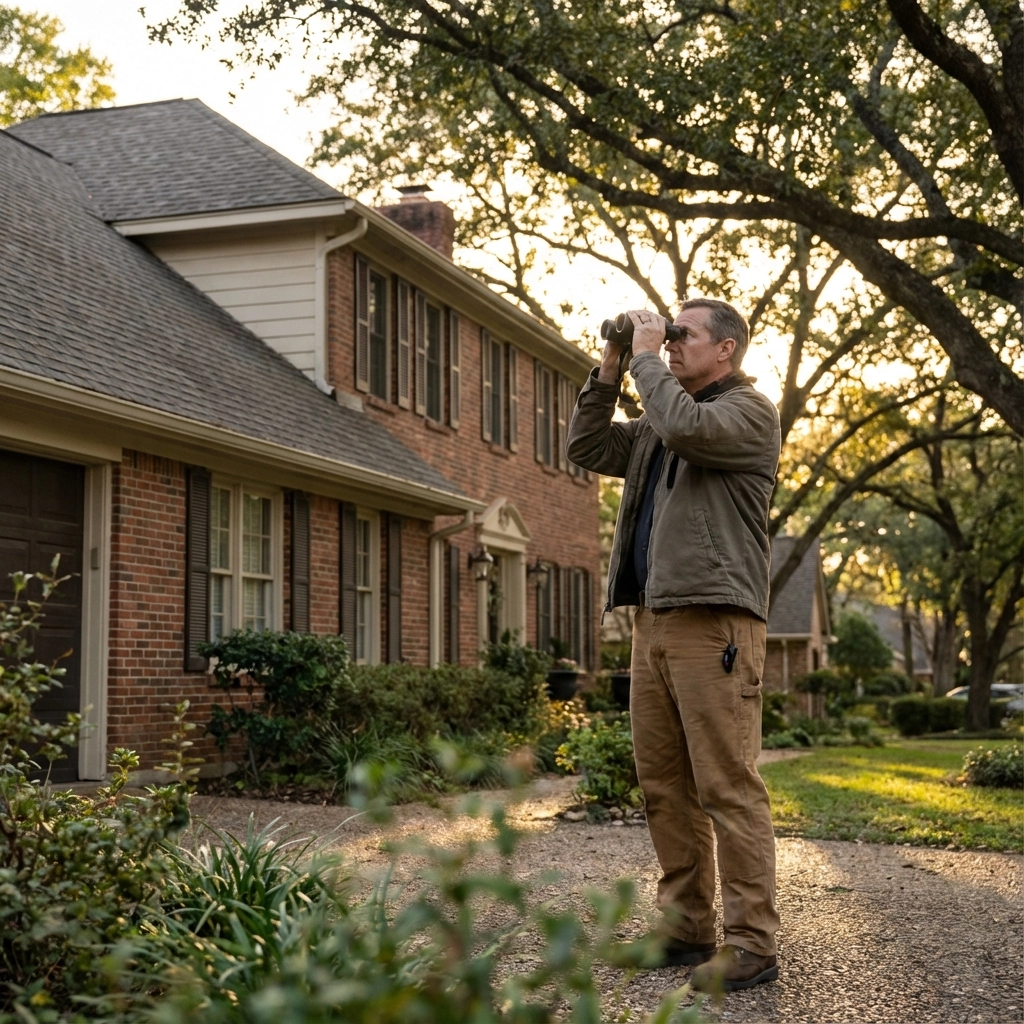
Most people think roof inspection means getting on a ladder. Wrong. Your best tool is a good pair of binoculars and knowing what to look for from the ground.
Start by walking completely around your house. Look at your roof from every angle. You'll be amazed what you can spot from down here.
What You're Looking For:
Pay extra attention to south-facing sections of your roof. Here in Charlotte, that southern sun beats down hard on asphalt shingles. They age faster and show problems first.
One trick I learned from a veteran roofer in Huntersville: take photos with your phone's zoom feature. You can spot details in the photos that your naked eye missed.
Local Weather Reality Check:
Lake Norman area homes deal with unique challenges. Those beautiful mature trees that make our neighborhoods so appealing? They drop tons of debris. And when Charlotte gets hit with those sudden summer storms, all that debris becomes projectiles.
Shingles and flashing are your roof's front-line defense. Learning to spot their weak points will save you from water damage headaches.
Shingle Inspection Secrets:
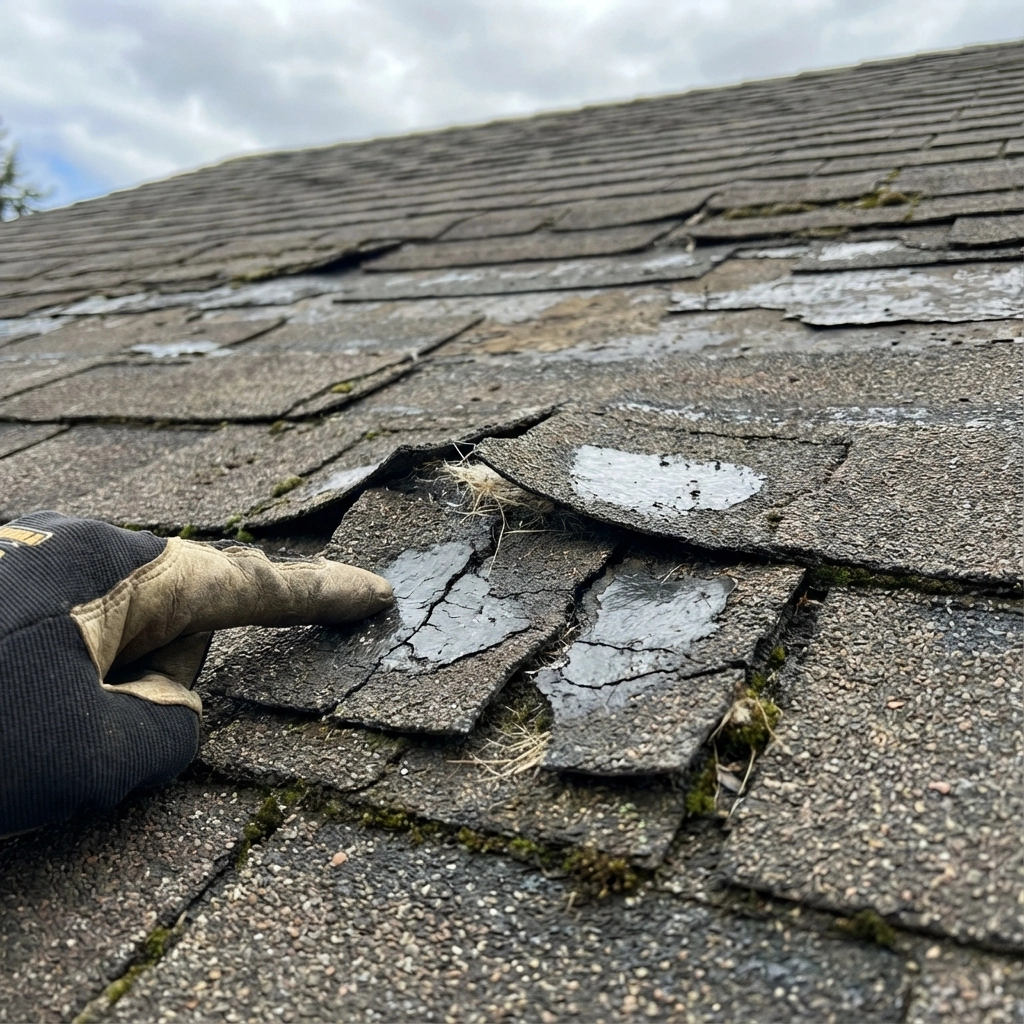
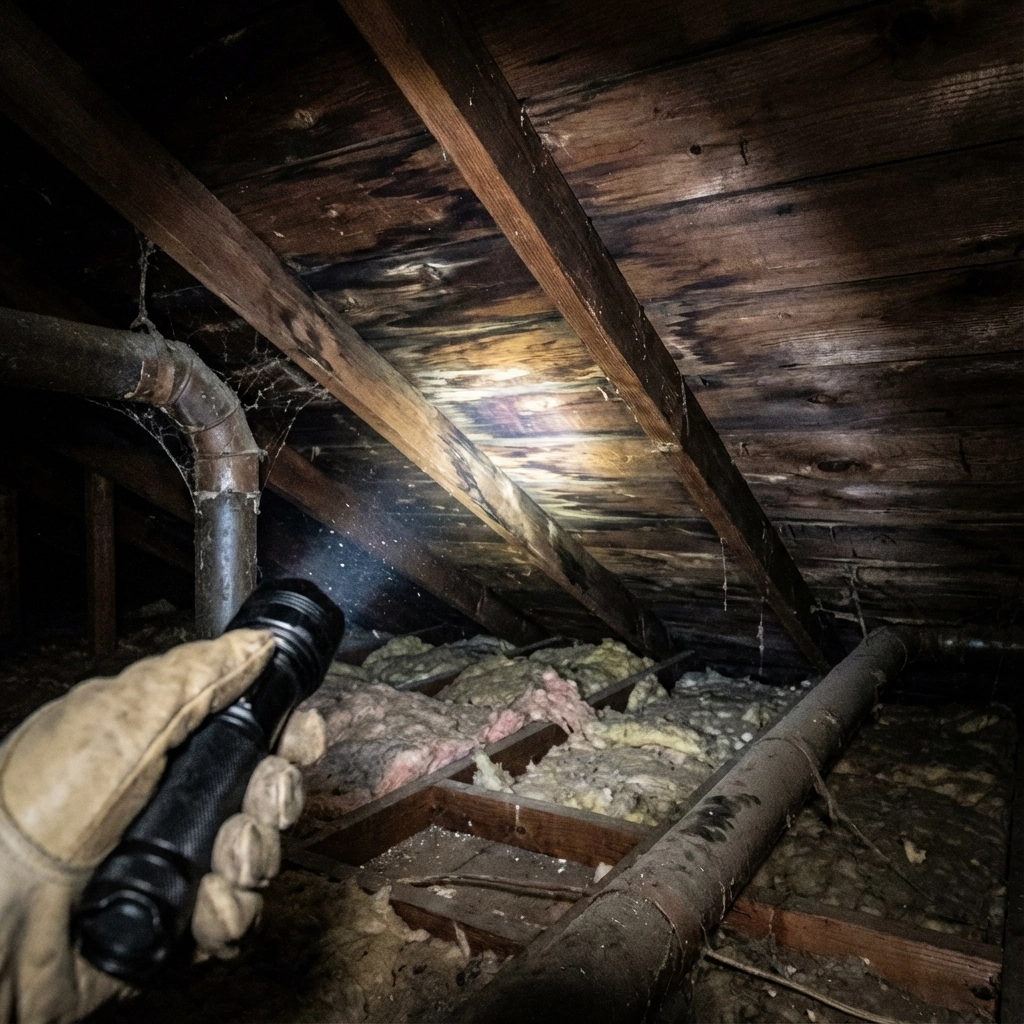
Look for the "3 C's" – cracked, curled, or completely missing shingles. But here's what most homeowners miss: check your gutters for shingle granules. If you're finding lots of those little rock-like pieces in your gutters, your shingles are aging out.
"When asphalt shingles start losing granules heavily, they're approaching the end of their protective life," explains Tom Richardson, a technical specialist with GAF. "Those granules aren't just for looks – they're your shield against UV rays and weather."
Flashing: Your Roof's Weak Spots
Flashing is the metal or rubber material that seals around chimneys, vents, skylights, and anywhere your roof changes direction. These spots fail first during storms.
From the ground, look for:
In older Charlotte neighborhoods like Myers Park or Dilworth, we see a lot of original flashing that's way past its prime. These homes often have beautiful character, but that charm comes with maintenance responsibilities.
Safety First:
Never inspect your roof during or right after rain. Wet roofs are deadly slippery. And if you see any damage that makes you want to climb up for a closer look, don't. Call a professional. It's cheaper than a hospital bill.
Your gutters tell you stories about your roof's health. Most people only think about gutters when they're overflowing, but they're actually your roof's diagnostic tool.
The Gutter Inspection Process:
Start by checking that water actually flows out when it rains. Clogged gutters cause water to back up under your shingles. In Charlotte's clay soil, that backed-up water also threatens your foundation.
Look inside your gutters for clues:
Downspout Positioning Matters:
Make sure your downspouts dump water at least 6 feet from your foundation. This is especially critical around Lake Norman where we have that dense clay soil. Water that stays near your foundation can cause settlement issues that affect your entire house structure.
Charlotte-Specific Challenge:
Our fall seasons dump massive amounts of leaves. Oak, maple, and pine debris can clog gutters in days, not weeks. Many homeowners in areas like Ballantyne or Huntersville need to clean gutters twice during fall season.
Trees make our neighborhoods beautiful, but they're also potential roof destroyers. Learning to assess tree risks protects your investment.
The 6-Foot Rule:
Keep all tree branches at least 6 feet from your roofline. I know that sounds like a lot, but here's why: during a storm, branches move. A branch that's 3 feet away in calm weather can easily hit your roof when the wind picks up.
Dead Branch Detection:
Learn to spot dead or dying branches before they become projectiles:
Local Tree Challenges:
Pine trees are gorgeous, but they're shallow-rooted. During Charlotte's clay soil expansion and contraction cycles, pines can uproot easier than hardwoods. If you have large pines near your house, have them evaluated by a certified arborist every few years.
Debris Management:
Don't just focus on branches. Keep your roof surface clear of leaves, pine needles, and moss. This organic matter holds moisture against your shingles, accelerating aging and creating weak spots.
One Cornelius homeowner learned this the hard way. Moss buildup on the north side of their roof held so much moisture that shingles started failing from underneath. What should have been normal aging became a premature replacement.
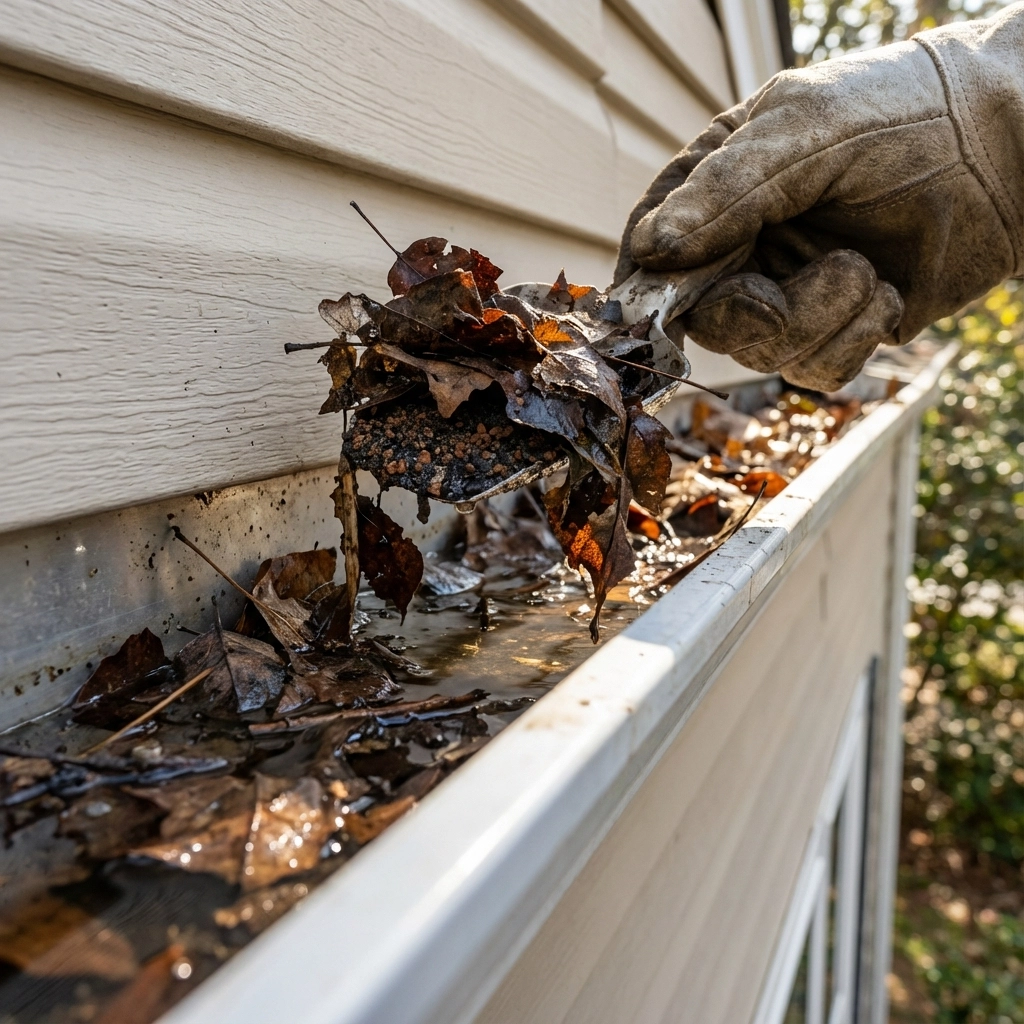
Your attic reveals problems that aren't visible from outside. This is where you'll find the early signs of leaks, ventilation problems, and structural issues.
What to Look For:
Ventilation Check:
Proper attic ventilation prevents problems you might not connect to your roof. Poor airflow leads to ice dams in winter and excessive heat in summer that ages shingles faster.
Make sure you have clear airflow from your eaves (bottom of the roof) to your ridge (top). Blocked vents turn your attic into an oven that bakes your shingles from underneath.
Insulation Issues:
While you're up there, check that insulation isn't blocking ventilation paths. This is super common in older homes around Charlotte where insulation was added over the years without considering airflow.
Safety in the Attic:
Only step on floor joists, never between them. One wrong step puts you through the ceiling. Use a flashlight or headlamp – phone lights aren't bright enough. And if you have any breathing issues, wear a dust mask. Attics get dusty and full of insulation particles.
Living in the Charlotte metro area means dealing with specific weather challenges that affect your roof differently than other parts of the country.
Summer Storm Intensity:
Our summer thunderstorms pack a punch. They develop quickly and bring high winds, large hail, and heavy rain in short bursts. This combination is particularly hard on aging roofs because it tests multiple systems at once.
Winter Ice Events:
Even though we're in the South, Charlotte gets hit with ice storms that can devastate roofs. Ice adds tremendous weight, and when it melts and refreezes, it finds every tiny gap in your roof system.
Spring and Fall Transitions:
Our temperature swings during season changes cause materials to expand and contract. This constant movement can open up small gaps that become big problems during the next storm season.
These DIY inspection tricks will catch most problems, but you need to know your limits. Call a professional roofer when you find:
Professional roofers have specialized equipment and trained eyes that can spot problems you might miss. Plus, they provide written reports that become valuable if you need to file an insurance claim after storm damage.
At Best Roofing Now, we see the difference these inspections make. Homeowners who do regular checks and call us early for small repairs avoid the major replacements that come from neglect.
Make roof inspection a regular habit, not something you remember after damage occurs.
Quarterly Checks:
Seasonal Deep Dives:
After Every Major Storm:
Charlotte area storms can cause damage that isn't immediately obvious. After any severe weather event, do a complete inspection following these five tricks.
Here's the financial reality: catching problems early saves serious money.
One loose shingle that goes unfixed can lead to water damage affecting insulation, ceiling, flooring, and personal belongings. We've seen $500 repairs turn into $15,000 insurance claims when homeowners waited too long.
Don't wait for the next storm warning to check your roof. Grab some binoculars and spend 30 minutes this weekend doing your first complete inspection using these five tricks.
Start with that ground-level assessment. Walk around your house and really look at your roof. Take photos of anything that seems questionable. Check your gutters for granules and debris. Look up in your attic with a flashlight.
Most importantly, don't ignore what you find. Small problems stay small when you address them quickly.
Ready to take your roof protection seriously? Schedule a free professional inspection with our team. We'll walk through these inspection points with you and give you a written report on your roof's condition. Because the best storm preparation happens before the storm arrives.
Your roof protects everything you care about. These five inspection tricks help you protect your roof.
Best Roofing Now
Charlotte's trusted roofing experts since 2019
Need help with your roof? Explore our professional roofing services in Charlotte NC.
Get a free roof inspection and honest assessment from Charlotte's most trusted roofing company.


