
Roofing Tips & Guides
Expert Roofing Advice for Charlotte Homeowners
Learn from Charlotte's trusted roofing experts. Tips on maintenance, repair, replacement, and protecting your home from the elements.
Learn from Charlotte's trusted roofing experts. Tips on maintenance, repair, replacement, and protecting your home from the elements.

The holidays are coming fast, and I'm already seeing homeowners around Charlotte and Lake Norman getting their decorations ready. But before you start stringing up those beautiful holiday lights, let's talk about something crucial: preparing your roof properly.
After 20+ years in roofing here in North Carolina, I've seen way too many holiday light installations go wrong. Damaged roofs, dangerous falls, electrical issues – none of that needs to happen to your family this season.
Here's your complete guide to getting your roof holiday-ready, the safe way.
Before you even think about climbing up there with lights, you need to know what you're working with. I always tell my Charlotte clients: your roof inspection should happen well before December.
Start by walking around your house and looking up. Check for loose or missing shingles, damaged flashing around chimneys and vents, and sagging gutters. Look for any obvious wear spots or areas where storms might have caused damage.
Here's what specifically concerns me during holiday prep season. Damaged shingles can become slippery and dangerous when you're trying to attach clips. Loose flashing can shift under your weight and create bigger problems. And weak gutters? They definitely can't handle the extra weight of light strings.
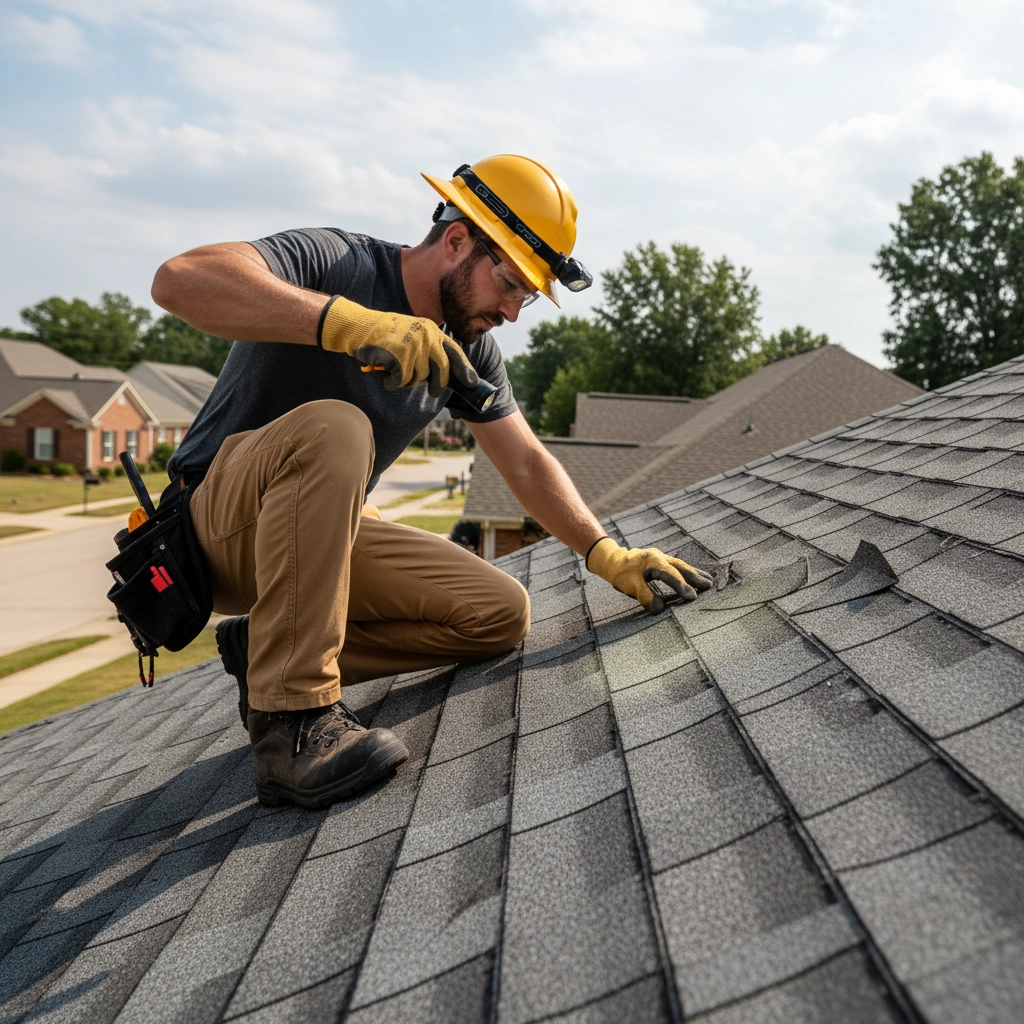
If you spot any issues during your ground inspection, don't try to work around them. Get them fixed first. The last thing you want is to make existing damage worse while decorating for the holidays.
Pay special attention to the areas where you'll be placing lights. Walk along your property line and really examine the roof edges, gutters, and any architectural features you plan to outline with lights.
And here's something most homeowners miss: check your roof's load capacity. If we've had heavy rains recently (and you know how Charlotte weather can be), your roof materials might be holding extra moisture weight. Add holiday lights and you could be pushing things too far.
This step is absolutely critical, and it's one I see homeowners skip way too often. Your gutters need to be completely clean before you start hanging lights.
Clogged gutters create multiple problems during holiday decorating. First, they're heavier than they should be, which means they can't safely support light strings. Second, all that debris creates an uneven surface that makes proper clip attachment nearly impossible.
Start by clearing out all leaves, twigs, and built-up gunk from your gutters. Here in the Lake Norman area, we get tons of oak and pine debris, especially after our fall storms. All of that needs to go.
But don't stop at just cleaning. Inspect your gutters while you're at it. Look for loose brackets, separated joints, or areas where the gutter has pulled away from the fascia board. These weak spots will only get worse when you add the weight and wind resistance of holiday lights.
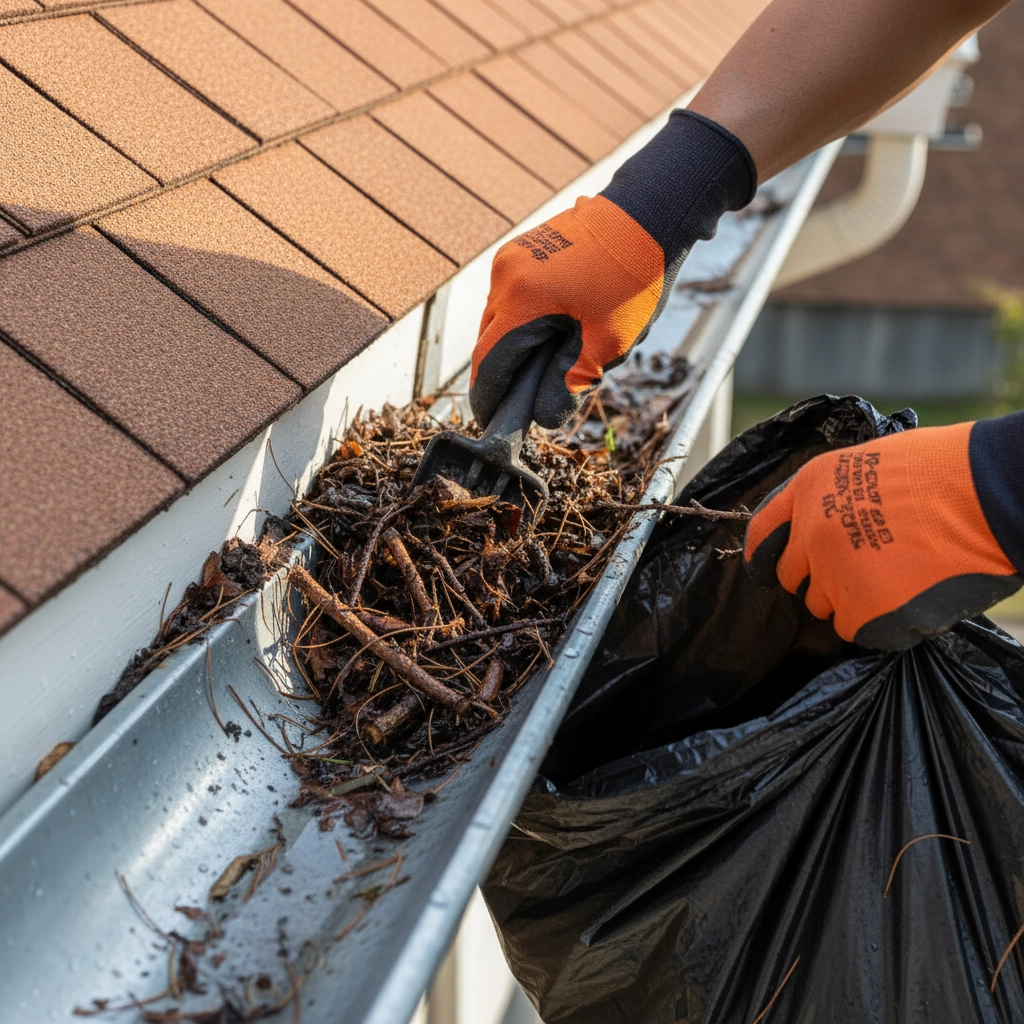
Check your downspouts too. Make sure they're securely attached and flowing properly. A loose downspout can create a domino effect that damages your entire gutter system.
Here's a pro tip: while you're up there cleaning, test your gutters by pouring water through them. This tells you if there are any hidden clogs or drainage issues that could cause problems later.
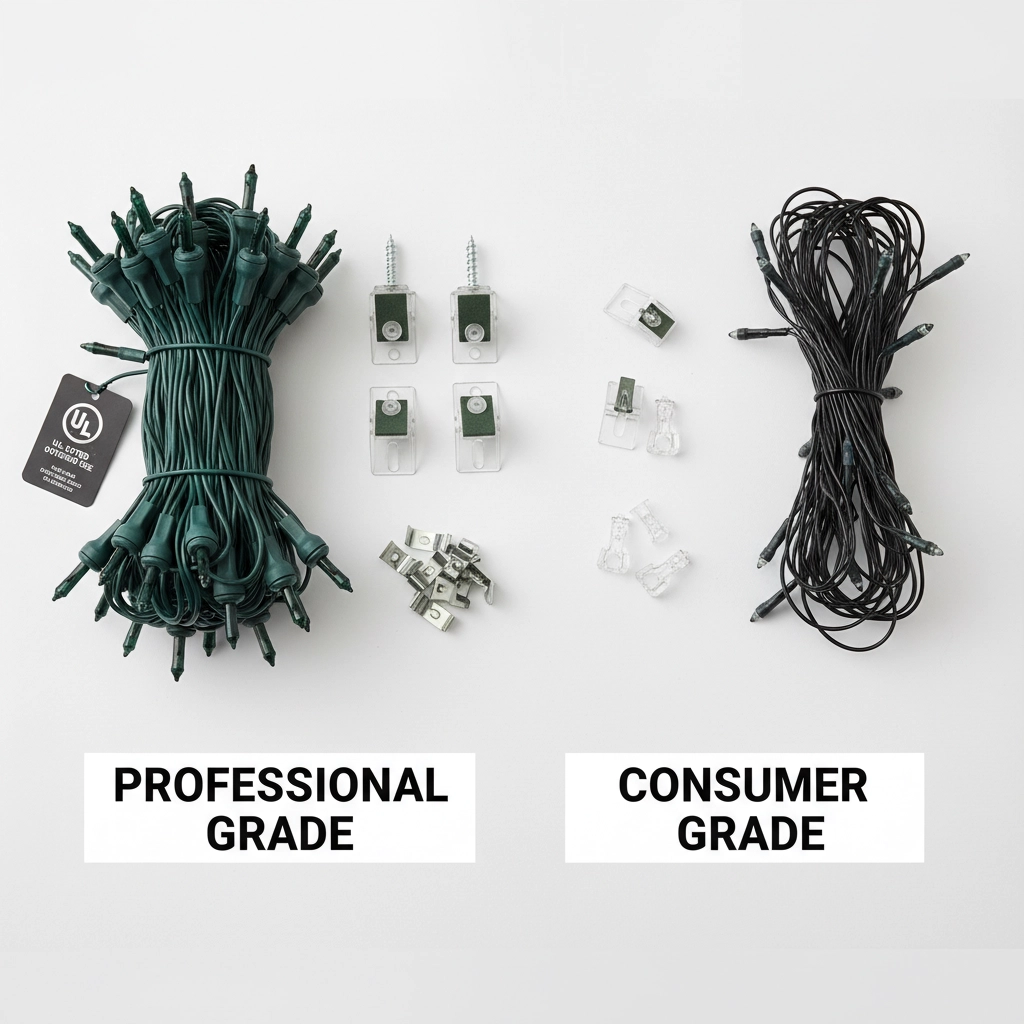
Not all holiday lights are created equal, and here in North Carolina, our weather demands quality equipment. You need lights specifically rated for outdoor use and designed to handle our temperature swings.
Look for lights with UL (Underwriters Laboratories) or ETL certification. This isn't just a suggestion – it's essential for safety. These certifications mean the lights have been tested to handle outdoor conditions including moisture, temperature changes, and wind.
LED lights are your best bet for several reasons. They produce less heat (reducing fire risk), use less electricity (safer for your home's electrical system), and last longer in our humid climate. Plus, they're lighter weight, which puts less stress on your roof and gutters.
Avoid the temptation to use indoor lights outside, even temporarily. Indoor lights lack the weatherproofing to handle even light moisture, and they can become serious fire hazards when exposed to our unpredictable weather patterns.
Check every single light string before installation. Look for cracked bulbs, frayed wires, loose connections, or damaged plugs. If you find any problems, throw that string away. Don't try to repair it or work around the damage.
Consider investing in commercial-grade extension cords rated for outdoor use. These cost more upfront but they're designed to handle the electrical load and weather exposure that holiday lighting demands.
This is where a lot of homeowners get into trouble. They start hanging lights without thinking through the electrical requirements or the physical layout challenges.
Before you climb up on that roof, draw out your lighting plan on paper. Mark where each string will go, how you'll route power to different areas, and where you'll place any timers or controllers.
Calculate your total electrical load. Most standard home circuits can handle about 1,800 watts safely. Add up the wattage of all your planned lights and make sure you're not overloading any single circuit.
Here's something crucial for our area: plan around our power lines. Charlotte and Lake Norman have overhead utilities in many neighborhoods, and you need to maintain at least 10 feet of clearance from any power lines. This isn't negotiable – it's a life-or-death safety requirement.
Think about wind resistance too. Our winter storms can be intense, and long runs of lights act like sails in high winds. Plan shorter sections and more secure attachment points rather than trying to span long distances with minimal support.
Consider your power source locations. Running extension cords across walkways or driveways creates trip hazards and potential damage. Plan your layout to minimize cord runs and use outdoor-rated cord covers where necessary.
Here's where I see the most damage every year. Homeowners using nails, staples, or other fasteners that puncture their roof materials.
Never, ever use nails or staples to attach holiday lights to your roof. These create holes that can lead to leaks, and they often void your roof warranty. The temporary convenience isn't worth the permanent damage.
Instead, invest in proper hanging clips designed for your specific roof type. For asphalt shingles, use clips that slide under the shingle tabs without fasteners. For gutters, use clips designed to grip the gutter edge securely.
Test your clips before committing to your full installation. Make sure they grip securely without damaging the surface they're attached to. If a clip feels loose or wobbly, don't use it.
When working on your roof, use proper ladder safety. Your ladder should extend at least three feet above the point where it contacts your roof. Have someone spot you from the ground, and never work alone on roof installations.

Wear appropriate footwear – soft-soled shoes that won't damage shingles or create slip hazards. Avoid working on wet or frosty mornings, which are common here in Charlotte during December.
And here's something many people forget: plan your removal strategy now. Use clips and attachment methods that will come off easily in January without damaging your roof or leaving marks.
Our North Carolina weather presents unique challenges for holiday lighting. We can get ice storms, heavy rains, and strong winds all during the holiday season.
Install your lights during dry weather when possible. Wet shingles are slippery and dangerous to work on. But also consider that holiday lights need to stay up through potentially harsh weather conditions.
Plan for ice accumulation. Ice adds significant weight to light strings and can cause gutters to sag or pull away from your house. If severe weather is forecast, consider temporarily removing lights rather than risking damage.
Our temperature swings can be hard on lighting equipment. Connections that work fine in 60-degree weather might fail when temperatures drop to 20 degrees overnight. Use quality connectors and check them periodically throughout the season.
Some holiday lighting projects are best left to the professionals. If your home has steep roof sections, multiple stories, or complex architectural features, the risk might not be worth it.
We see a lot of beautiful homes around Lake Norman with challenging rooflines. These look stunning when properly lit, but they require professional equipment and expertise to decorate safely.
Consider calling professionals if you're dealing with:

Professional installation also makes sense if you want elaborate displays or commercial-quality results. We have the equipment and experience to create stunning displays safely and efficiently.
Once your lights are up, your job isn't done. Regular maintenance throughout the holiday season keeps your display looking great and functioning safely.
Check your lights weekly, especially after storms or high winds. Look for loose connections, damaged bulbs, or clips that have shifted or come loose.
Keep spare bulbs and fuses handy. LED strings are more reliable than traditional incandescent, but you'll still occasionally need replacements.
Monitor your electrical load throughout the season. If you notice flickering lights, warm outlets, or tripped breakers, you may be overloading your system.
Clean your lights periodically. Dust, pollen, and weather can dim your display over time. A gentle rinse with the garden hose (when lights are unpowered) can restore their brightness.
Holiday lighting should bring joy to your family and neighbors, not create safety hazards or roof damage. Taking time to prepare properly makes all the difference between a beautiful display and a costly mistake.
Remember: when in doubt, get professional help. Whether that's a roof inspection before you start decorating or professional installation of your entire display, the investment is worth it for safety and peace of mind.
At Best Roofing Now, we see the aftermath of improper holiday light installation every year. Don't let your family become a cautionary tale. If you have any concerns about your roof's condition or your ability to safely install holiday lights, give us a call for a free inspection. We're here to help make sure your holidays are merry, bright, and safe.
Your family's safety is worth more than any holiday display. Plan carefully, work safely, and enjoy a beautiful holiday season!
Best Roofing Now
Charlotte's trusted roofing experts since 2019
Need help with your roof? Explore our professional roofing services in Charlotte NC.
Get a free roof inspection and honest assessment from Charlotte's most trusted roofing company.

