
Roofing Tips & Guides
Expert Roofing Advice for Charlotte Homeowners
Learn from Charlotte's trusted roofing experts. Tips on maintenance, repair, replacement, and protecting your home from the elements.
Learn from Charlotte's trusted roofing experts. Tips on maintenance, repair, replacement, and protecting your home from the elements.

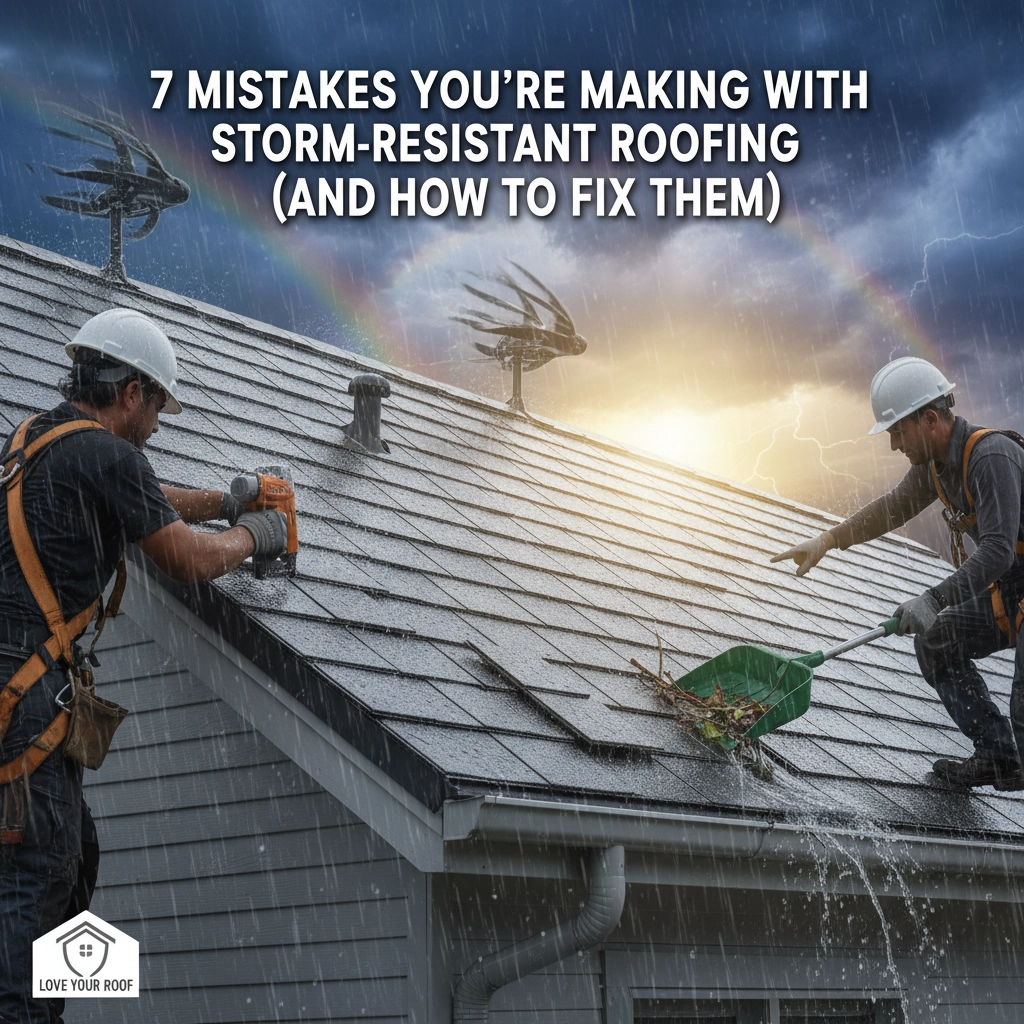
Living in Charlotte means dealing with some serious weather. From hurricane remnants rolling through the Carolinas to those sudden summer thunderstorms that can drop golf-ball-sized hail in minutes, your roof takes a beating year-round. Yet many homeowners are unknowingly making critical mistakes that leave their homes vulnerable when the next big storm hits.
After years of helping Charlotte families recover from storm damage, we've seen the same preventable mistakes over and over again. The good news? Most of these issues can be fixed before they become expensive problems.
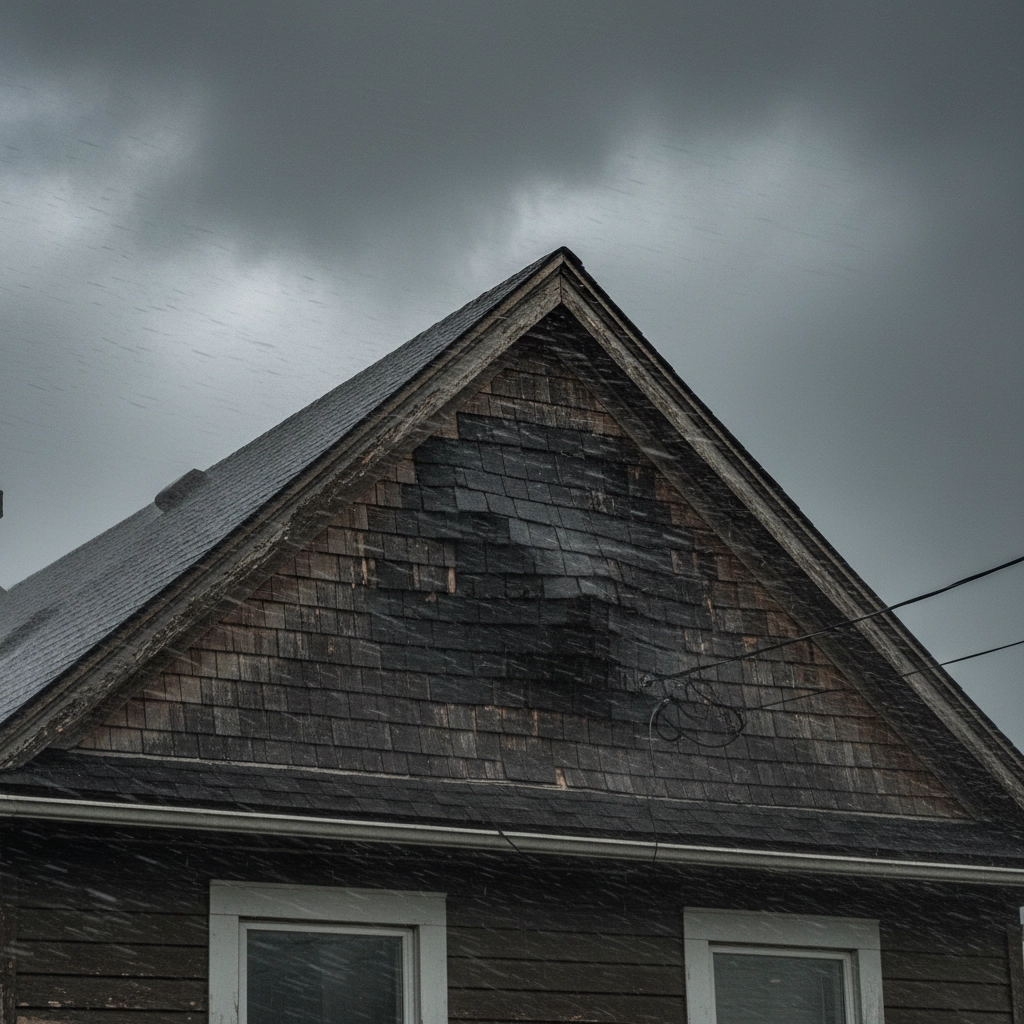
Your gable ends – those triangular wall sections at your roof's peak – are basically giant sails waiting for the next windstorm. When Hurricane Florence's remnants hit Charlotte in 2018, we saw dozens of homes with blown-out gable ends, and it wasn't pretty.
The Problem: Gable walls taller than 5 feet face serious collapse risk during high winds. Add an overhang longer than 20 inches, and you're asking for trouble. Wind hits your house, accelerates around those overhangs, and creates powerful uplift forces that can literally tear sections of your roof away.
The Fix: Reinforce those gable ends with proper bracing and ensure all connections are rock-solid. Keep overhangs to 20 inches or less – we know they look nice, but they're not worth the risk. If you've got longer overhangs, talk to a structural engineer about reinforcement options.
Here's something that'll blow your mind: many older Charlotte homes still have roof sheathing attached with staples. Staples! During a storm, when one piece of sheathing fails, the interior damage can cost ten times more than fixing the exterior properly in the first place.
The Problem: Standard 8d nails spaced more than 12 inches apart won't cut it when 70+ mph winds start testing your roof. Those winds create incredible uplift forces, and inadequate fastening is like putting a Band-Aid on a broken dam.
The Fix: Use properly sized fasteners with tight spacing, especially at eaves, corners, ridges, and gable ends where wind pressure hits hardest. Ring-shank nails are your friend here – they don't back out like smooth nails do. This isn't the place to save a few bucks.
This one makes us cringe every time. Bad nail placement is responsible for most shingle failures during storms, and it's completely preventable.
The Problem: Nails driven too deep compromise wind resistance big time. We see this constantly with nail gun installations where the pressure isn't properly controlled. Most roofers use only four nails per shingle, but that's not nearly enough for Charlotte's weather.
The Fix: Six nails per shingle, minimum. Use 8d ring-shank nails that are at least 2⅜ inches long and penetrate through your roof sheathing or at least ¾ inch into plywood. Nail depth matters – not too deep, not too shallow. This is why experience counts when choosing your roofer.

Think of underlayment as your roof's insurance policy. It's that water-resistant barrier between your sheathing and your shingles, and when it's installed wrong, you're gambling with your home's interior.
The Problem: Improper underlayment installation creates critical vulnerabilities. We've walked into homes where water damage could have been prevented if the underlayment had been installed correctly. Charlotte's driving rains don't mess around – they'll find every gap and exploit it.
The Fix: Professional installation with proper overlap is non-negotiable. The underlayment needs to create a continuous water-resistant barrier across your entire roof deck. This means careful attention to seams, edges, and penetrations. Don't let anyone convince you that "close enough" is good enough.
Flashing around vents, chimneys, skylights, and other roof penetrations is where most leaks start. It's also where we see the most DIY disasters.
The Problem: Misaligned or incorrectly fastened flashing creates gaps that become superhighways for water infiltration. During Charlotte's infamous summer thunderstorms, wind-driven rain will find these weak spots and exploit them mercilessly.
The Fix: Proper overlap, correct alignment, and secure fastening with appropriate fasteners. Use corrosion-resistant materials like aluminum or galvanized steel. Ridge vents need special attention – they should have a proper hurricane rating and be securely fastened to prevent them from becoming projectiles in high winds.
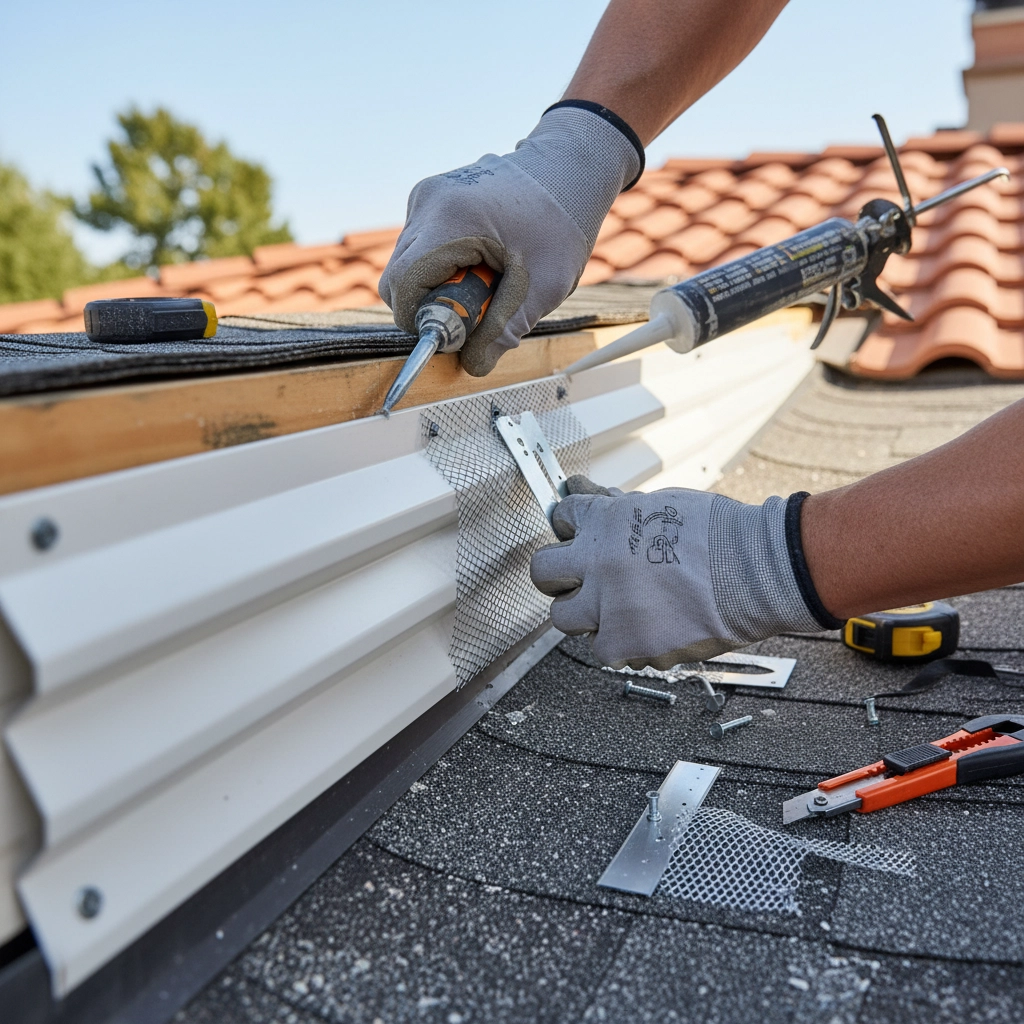
Poor ventilation might not seem storm-related, but it absolutely is. Inadequate airflow allows heat and moisture to accumulate, weakening your roof's structural integrity over time.
The Problem: Heat and moisture buildup leads to roof rot and compromised structural integrity. During storms, poorly sealed vents can allow wind to pressurize your attic from below, creating uplift forces strong enough to lift entire roof sections off your house.
The Fix: Balanced intake and exhaust ventilation is crucial. Soffit vents need to be securely sealed and reinforced to prevent collapse during storms. We recommend having your attic ventilation professionally assessed – it's one of those things that's easy to get wrong and expensive to fix later.
If you've got a tile roof, this one's for you. The adhesive under each tile isn't just holding things in place – it's part of your storm defense system.
The Problem: Two-component polyurethane adhesives can boost support strength by about 80% compared to mechanical fasteners alone. But many installers don't use enough adhesive or position it incorrectly, dramatically reducing performance when you need it most.
The Fix: Properly-sized adhesive paddies in the correct positions under each tile. The adhesive must be applied within the right temperature range – between 65-95°F for one-component systems. Bond strength drops quickly outside these ranges, so timing and weather conditions matter during installation.
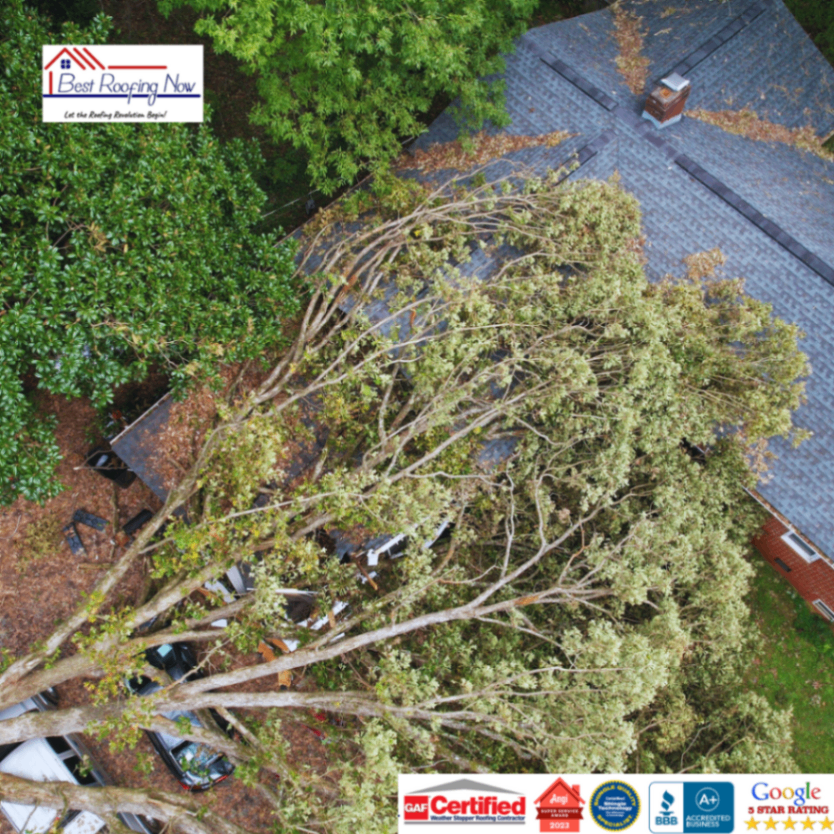
Here's the thing about Charlotte weather – it's unpredictable and unforgiving. We might go months without a major storm, then get hit with three severe weather events in two weeks. Hurricane season runs from June through November, but we've seen damaging storms well outside that window.
"Every roof installation we do in Charlotte has to be storm-ready from day one," explains our lead installer. "There's no such thing as 'we'll upgrade it later' when the next storm could hit tomorrow."
The investment in proper storm-resistant roofing isn't just about avoiding damage – it's about peace of mind. When that next severe weather warning pops up on your phone, you want to be thinking about bringing in your patio furniture, not wondering if your roof can handle what's coming.
The time to address these mistakes isn't when there's a storm in the forecast. By then, every quality roofer in Charlotte is booked solid, and you're stuck with whoever's available (spoiler alert: they're usually available for a reason).
If any of these mistakes sound familiar, or if you're not sure about your roof's storm readiness, don't gamble with your home's protection. A professional roofing assessment can identify vulnerabilities before they become expensive problems.
Charlotte's weather isn't getting any gentler, and storm-resistant roofing isn't just a nice-to-have anymore – it's essential protection for your home and family. The question isn't whether we'll get hit by severe weather again, but when. Make sure your roof is ready.
Best Roofing Now
Charlotte's trusted roofing experts since 2019
Need help with your roof? Explore our professional roofing services in Charlotte NC.
Get a free roof inspection and honest assessment from Charlotte's most trusted roofing company.

