
Roofing Tips & Guides
Expert Roofing Advice for Charlotte Homeowners
Learn from Charlotte's trusted roofing experts. Tips on maintenance, repair, replacement, and protecting your home from the elements.
Learn from Charlotte's trusted roofing experts. Tips on maintenance, repair, replacement, and protecting your home from the elements.

Your roof works hard protecting your Charlotte home from everything Mother Nature throws at it. From summer thunderstorms to winter ice, our local weather puts roofs to the test year-round. The good news? You can catch most problems early with a simple DIY inspection.
I've been helping Charlotte homeowners for years, and I've seen too many small issues turn into expensive repairs. The secret is knowing what to look for and when to call for help. This checklist will walk you through exactly what to check and how to spot trouble before it starts.
The safest place to begin your inspection is on solid ground. Grab a pair of binoculars and walk around your home's perimeter. You'd be surprised how much you can see from down here.
Look up at your roofline for any obvious sagging or uneven spots. Your roof should have clean, straight lines. If something looks off, it probably is. Also check for dark patches or discolored areas where shingles might be failing.
Here in Charlotte, our humidity loves to create the perfect environment for moss and algae. Green or black streaks on your roof aren't just ugly – they're signs that moisture is sticking around longer than it should. This can lead to shingle damage over time.
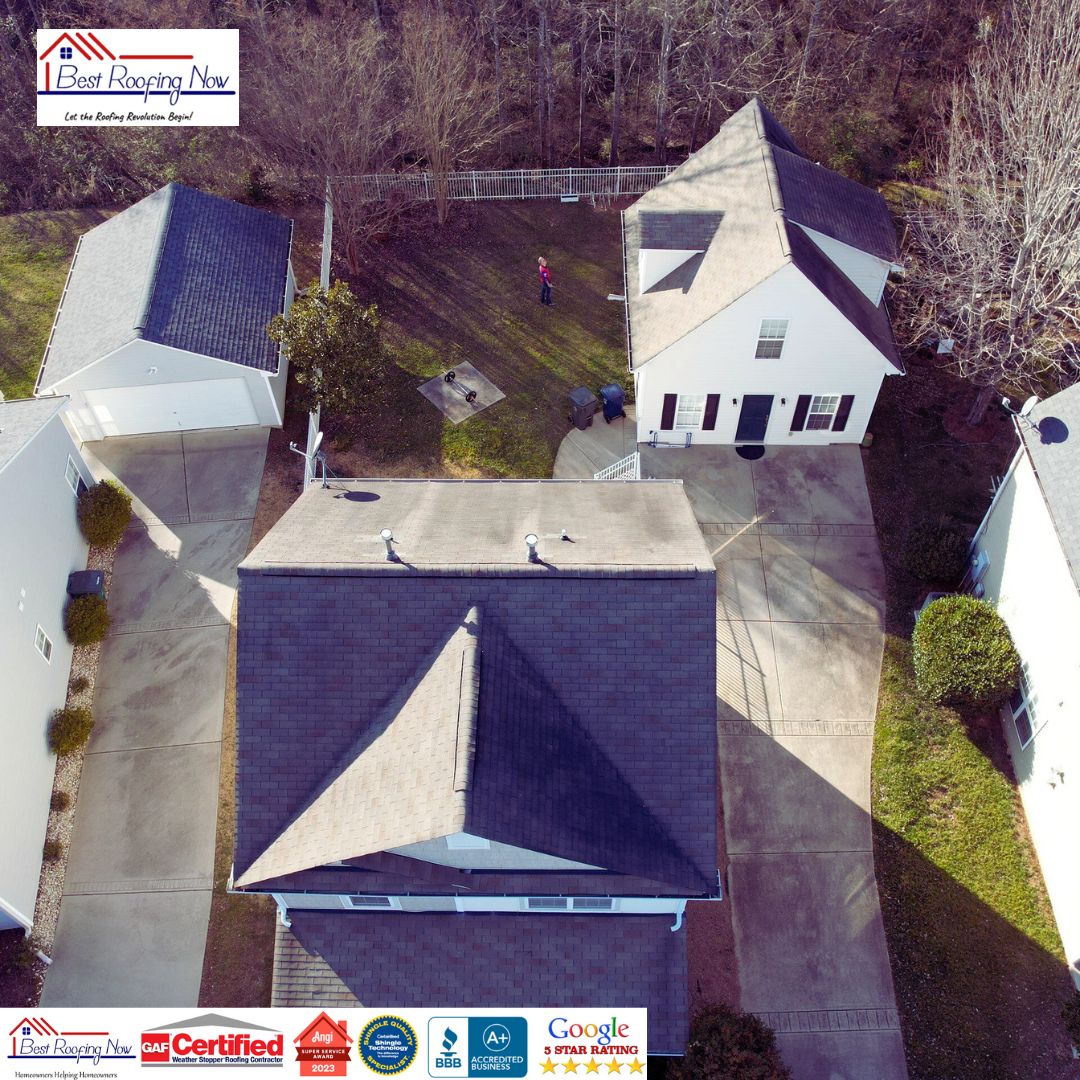
Don't forget to check around chimneys, vents, and skylights. These spots are like magnets for roof problems because they're where different materials meet. Water loves to find these weak spots.
Your shingles are your roof's first line of defense. From ground level or a secure ladder (safety first!), look for these warning signs:
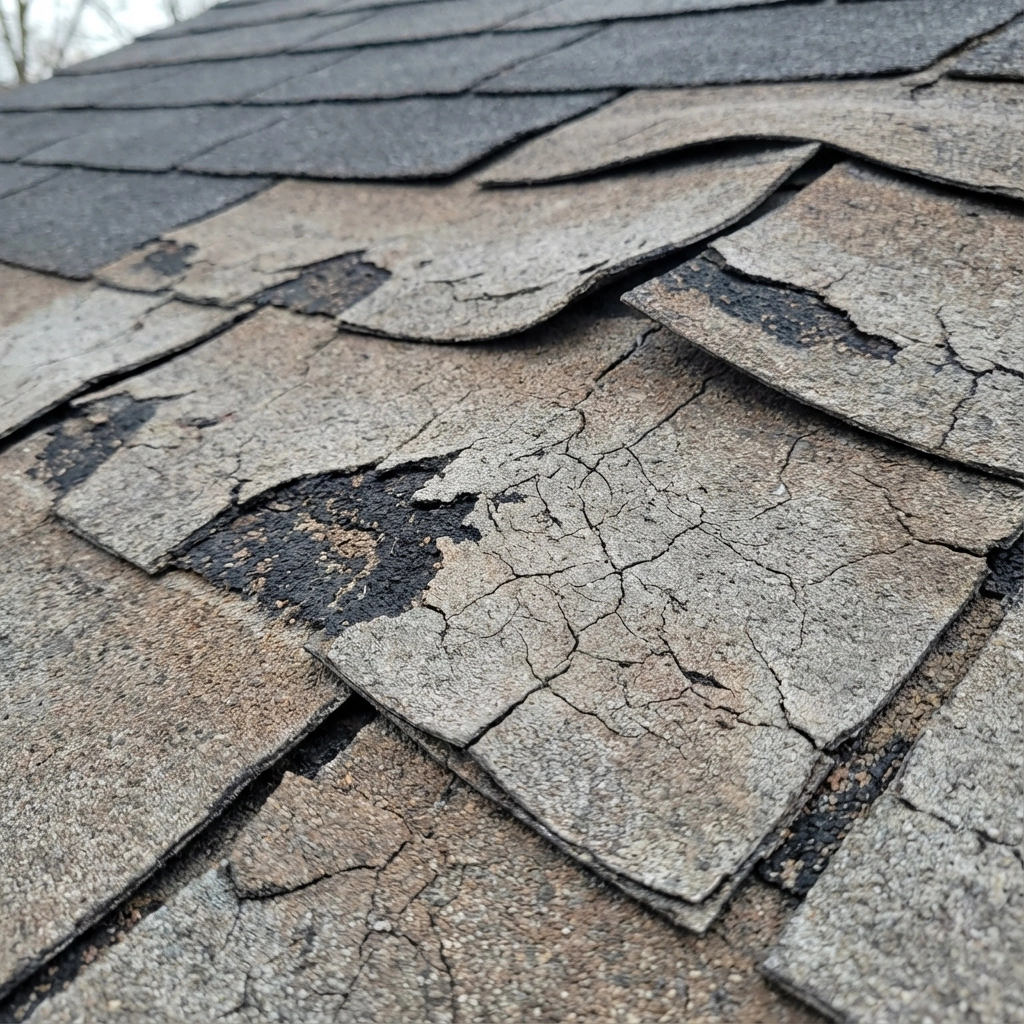
Missing or loose shingles are obvious problems, but curled or cracked shingles are just as serious. Charlotte's temperature swings can make shingles expand and contract, leading to cracks over time.
According to the National Roofing Contractors Association, "Damaged or missing shingles allow water to penetrate the roof system, potentially causing extensive damage to the structure and interior of the home."
Look for shingles that are losing their granules. These little rock pieces aren't just for looks – they protect your shingles from UV damage. If you see bare spots or lots of granules in your gutters, those shingles are wearing out.
Blistered or bubbled shingles mean moisture got trapped underneath during installation or there's a ventilation problem. Either way, these shingles won't protect your home much longer.
Flashing is the metal or rubber material that seals joints where your roof meets walls, chimneys, or vent pipes. It's super important but often overlooked.
Check for rust, cracks, or missing pieces in metal flashing. In Charlotte's humid climate, metal can corrode faster than in drier areas. Look for gaps in the sealant around flashing too. That black goop (we call it caulk) can crack and shrink over time.
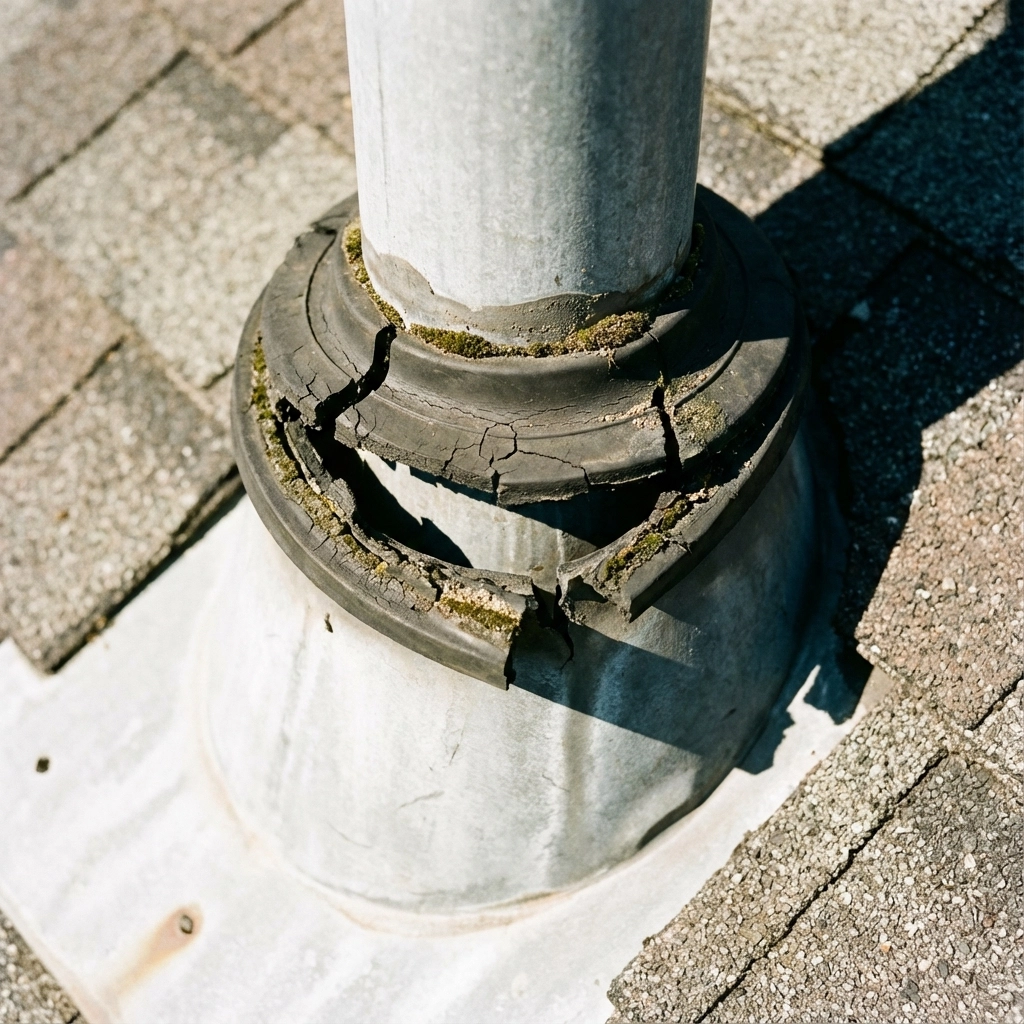
Around vent pipes, check the rubber boots or collars. These rubber pieces expand and contract more than the metal pipe, creating gaps where water can sneak in. If the rubber looks cracked or pulled away from the pipe, it needs attention.
Don't skip the chimney flashing. This is one of the most common leak spots I see in Charlotte homes. The flashing should lie flat against both the roof and chimney with no visible gaps or rust.
Your gutters tell a story about your roof's health. Clean them out and take a close look at what you find.
Lots of shingle granules in your gutters means your shingles are deteriorating. A few granules are normal, especially on a new roof. But if it looks like someone dumped a bucket of sand in there, your roof needs attention.
Check that water flows freely through your gutters and downspouts. Standing water or clogs can cause water to back up under your shingles. In winter, this creates ice dams that can seriously damage your roof.
Look for rust, sagging, or loose gutters. Gutters that pull away from your house can't do their job properly. They also put extra stress on your roof edge.
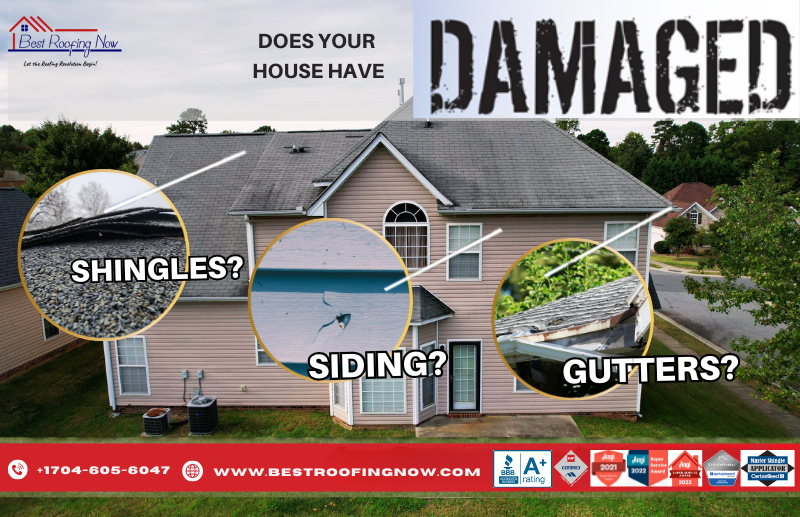
Every hole in your roof is a potential problem spot. This includes plumbing vents, exhaust fans, satellite dishes, and anything else mounted on your roof.
Look for loose collars around pipes or missing screws on mounted equipment. Check that rubber seals around penetrations aren't cracked or pulling away.
If you have a satellite dish or antenna, make sure it's still securely fastened. Charlotte's summer storms can create strong winds that put extra stress on roof-mounted equipment.
Your attic is like a crystal ball for roof problems. Grab a flashlight and head up there during the day.
Look for water stains on the ceiling or walls. These brown or yellow marks are dead giveaways that water is getting in somewhere. Even small stains can indicate big problems.
Check for daylight coming through the roof. Any light you can see means there's a gap that needs sealing. These gaps let in more than just light – they're highways for water, bugs, and cold air.
Mold or mildew in your attic usually means you have a moisture problem. This could be from a roof leak or poor ventilation. Either way, it needs fixing before it spreads.
According to roofing expert Tom Silva from This Old House, "Your attic is the best place to detect roof problems early. Water stains and daylight penetration are clear indicators that your roof needs professional attention."
Sometimes roof problems show up inside your house first. Keep an eye out for:
Ceiling stains or discoloration are obvious signs of water intrusion. But also watch for peeling paint near exterior walls, especially around windows and doors. This can indicate water is getting behind your siding from roof problems.
Sagging ceilings are serious business. This usually means water has been getting in for a while and has damaged the structural materials.
While DIY inspections are great for catching obvious problems, some issues need professional eyes. Call us if you find:
Also, if you're not comfortable getting on a ladder or walking on your roof, don't risk it. A professional inspection is always safer than a trip to the emergency room.
We recommend having your roof professionally inspected at least once a year, preferably in the spring after winter weather has had its way with your roof.
In Charlotte, the best times to inspect your roof are:
Spring – After winter storms and ice have done their damage
Fall – Before winter weather arrives
After major storms – Even if everything looks fine, a quick check can catch small problems
The key is consistency. A quick monthly walk-around takes just 15 minutes but can save you thousands in repairs.
Regular DIY inspections are smart, but they're not a substitute for professional expertise. At Best Roofing Now, we've been helping Charlotte homeowners protect their biggest investment for years. We know what to look for and how to fix problems before they become disasters.
Ready to give your roof the attention it deserves? Schedule your free professional roof inspection today. Call us at our main number or visit Best Roofing Now to get started. Your future self will thank you when the next big storm hits and your roof keeps your family safe and dry.
Don't wait for a leak to tell you there's a problem. Take 20 minutes this weekend to walk around your house with this checklist in hand. Your roof – and your wallet – will be glad you did.
Best Roofing Now
Charlotte's trusted roofing experts since 2019
Need help with your roof? Explore our professional roofing services in Charlotte NC.
Get a free roof inspection and honest assessment from Charlotte's most trusted roofing company.


