
Roofing Tips & Guides
Expert Roofing Advice for Charlotte Homeowners
Learn from Charlotte's trusted roofing experts. Tips on maintenance, repair, replacement, and protecting your home from the elements.
Learn from Charlotte's trusted roofing experts. Tips on maintenance, repair, replacement, and protecting your home from the elements.

Ever wondered what actually happens when an insurance adjuster shows up to inspect your storm-damaged roof? If you're a Charlotte homeowner dealing with insurance claims after severe weather, understanding this process can make all the difference in getting fair compensation for your roof repairs.
Let's pull back the curtain on how insurance adjusters work, what they're looking for, and how you can be prepared to help your case.
When an adjuster arrives at your home, they follow a pretty systematic approach. It's not random: there's a method to their evaluation that ensures they don't miss anything important.
The Walk-Around
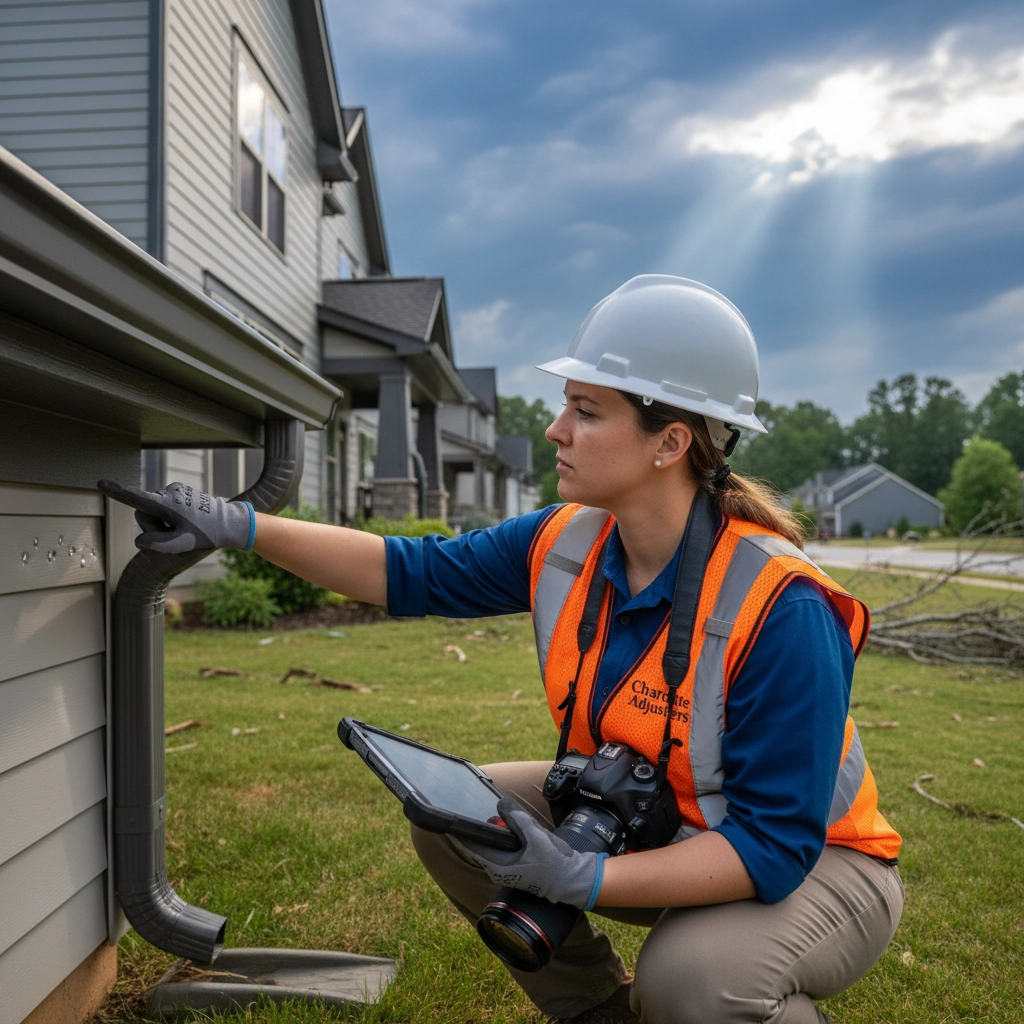
First things first: the adjuster will do a complete walk-around of your property. They're not just checking out your roof from the ground: they're looking at everything. Your gutters, downspouts, outdoor AC units, fence, deck, and even your car if it was potentially damaged by the same storm.
Why start with the ground-level inspection? Simple. If a hailstorm was powerful enough to damage your roof, there should be evidence elsewhere on your property too. No dents on your mailbox or outdoor furniture but severe roof damage? That might raise some red flags.
Getting Up Close with the Roof
Next comes the main event: the actual roof inspection. Most adjusters will climb up on your roof (weather and safety permitting) to get a close-up look. They're trained to spot damage that's invisible from the ground.
During this phase, they're methodically checking every section of your roof, from ridge to eave. They'll walk carefully across different areas, paying special attention to slopes that would have taken the brunt of storm impact.
Interior Investigation
Don't be surprised if the adjuster asks to come inside your home. They need to check for interior signs of roof damage like water stains on ceilings, damaged drywall, or compromised insulation. Sometimes roof damage isn't immediately obvious from the outside, but water intrusion tells the real story.
Today's insurance adjusters aren't just armed with clipboards and cameras. They use some pretty sophisticated tools to ensure accurate assessments.
Digital Documentation
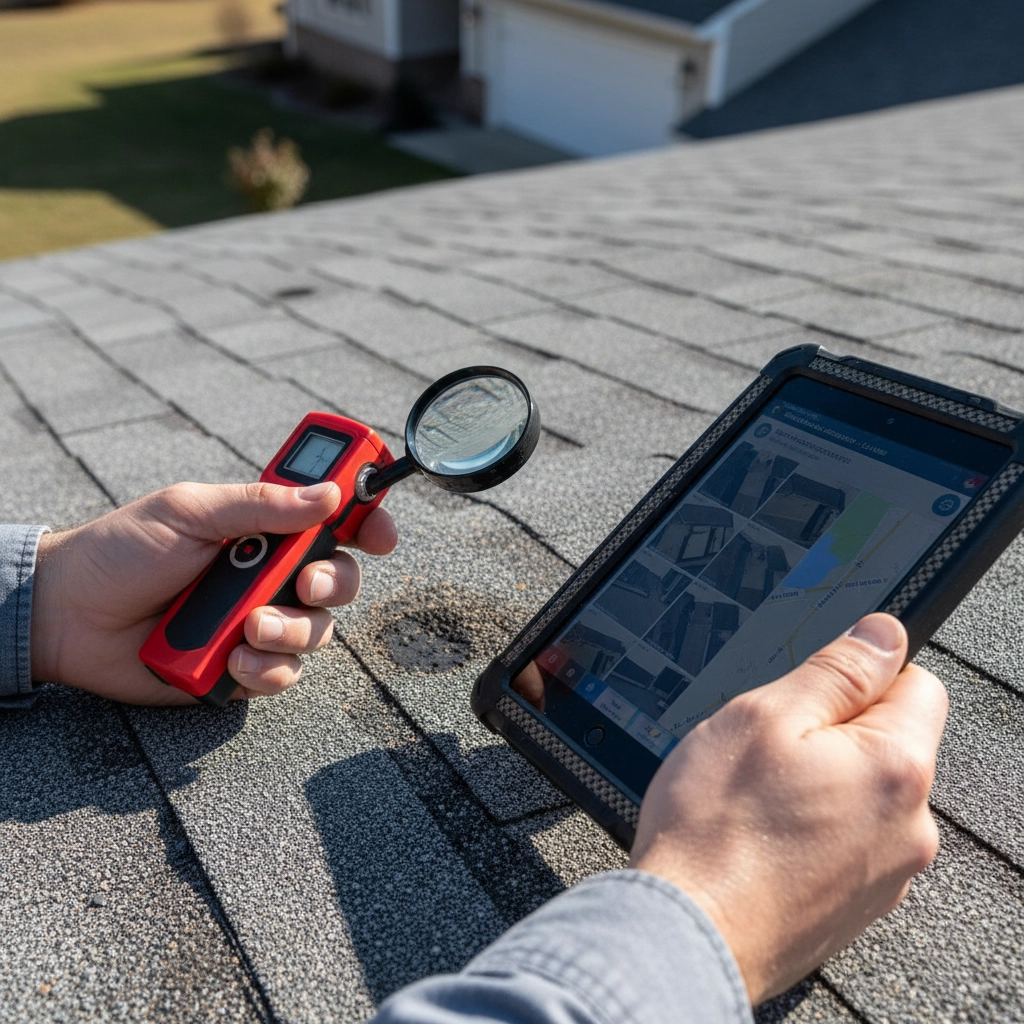
Most adjusters now use tablets or smartphones with specialized apps that help them document damage systematically. These apps can capture GPS coordinates, time stamps, and organize photos by location and damage type. Some even use drone technology for safer roof inspections, especially on steep or dangerous roofs.
Measurement Tools
Adjusters carry laser measuring devices to calculate square footage of damaged areas accurately. This isn't guesswork: they need precise measurements to generate repair estimates.
Magnification Equipment
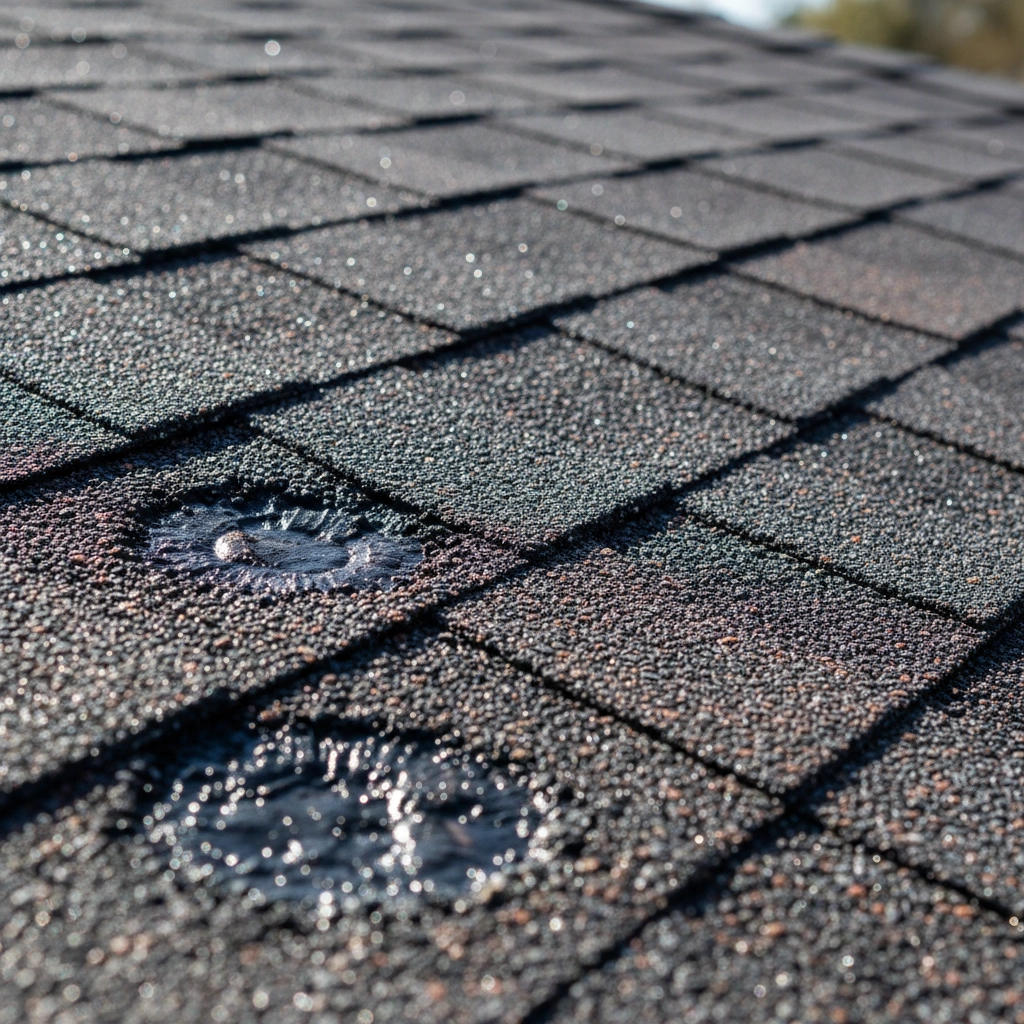
For hail damage specifically, adjusters often use magnifying tools to examine shingle granules and identify impact points that might not be visible to the naked eye.
Understanding what adjusters are trained to spot can help you know what to expect: and what to point out if they seem to be missing something.
Hail Damage Indicators
Hail damage has specific characteristics that adjusters are trained to identify:
Wind Damage Signs
Wind damage looks different from hail damage:
Age vs. Storm Damage
Here's where it gets tricky. Adjusters need to distinguish between recent storm damage and normal wear-and-tear. They're looking for:
While the adjuster's assessment is crucial, you can help your case by having your own documentation ready.
Before-and-After Photos
If you have photos of your roof from before the storm (maybe from a recent real estate listing or home improvement project), these can be incredibly valuable. They establish the pre-loss condition of your roof.
Take your own photos of damage you've noticed, but be safe about it. Ground-level shots are fine: leave the roof climbing to the professionals.
Weather Documentation
Keep records of severe weather events in your area. The National Weather Service archives can provide official documentation of hail size, wind speeds, and storm paths. This helps establish that your area indeed experienced conditions severe enough to cause roof damage.
Maintenance Records
If you have documentation showing regular roof maintenance, it demonstrates that any current damage isn't due to neglect. Keep receipts from roof inspections, gutter cleanings, or minor repairs.
A little preparation goes a long way in ensuring the adjuster can do their job effectively: and that means a more thorough evaluation for you.
Safety First
Clear the area around your home of any obstacles that might prevent the adjuster from doing a complete walk-around. Move patio furniture, kids' toys, or anything else that might be in the way.
Document Your Concerns
Make a list of damage you've noticed, both inside and outside your home. Don't assume the adjuster will spot everything: they're human too, and a second set of eyes never hurts.
Be Present but Not Pushy
It's perfectly fine (and recommended) to be present during the inspection. You can point out areas of concern and ask questions. However, let the adjuster do their job without hovering. They're trained professionals following a systematic process.
Gather Your Policy Information
Have your insurance policy handy so you can reference coverage details if questions come up during the inspection.
After the adjuster completes their inspection, they'll compile a detailed report for your insurance company. This report includes:
The insurance company reviews this report and typically sends you a settlement offer within a few days to a couple of weeks, depending on the complexity of your claim.
Here's something many Charlotte homeowners don't realize: you have the right to get your own estimates from roofing contractors. In fact, it's often a smart move.
A reputable roofing contractor can provide a detailed assessment that might catch damage an adjuster missed. At Best Roofing Now, we regularly work with homeowners during the insurance process, providing detailed documentation that supports accurate claims.
"The key is having multiple perspectives on the damage," says James Turner, owner of Best Roofing Now. "Sometimes a roofing contractor will spot structural issues or code violations that need to be addressed during repairs: things that might not be obvious to an insurance adjuster."
Remember, the adjuster works for the insurance company, not for you. While most adjusters are fair and thorough, it's your responsibility to advocate for your property.
If you disagree with the adjuster's assessment, you have options:
Understanding how insurance adjusters evaluate roof damage helps you navigate the claims process more confidently. While the process might seem complex, adjusters are generally thorough professionals trying to do their job accurately.
The key is being prepared, documenting everything, and knowing that you have rights as a policyholder. If you're dealing with potential roof damage in the Charlotte area, don't hesitate to get a professional roofing assessment alongside your insurance claim. It's your home, and you deserve a fair evaluation of what it needs to keep protecting your family.
Remember: the goal isn't to "beat" the insurance company: it's to ensure you get fair compensation for legitimate damage so you can restore your roof properly and maintain your home's protection for years to come.
Best Roofing Now
Charlotte's trusted roofing experts since 2019
Need help with your roof? Explore our professional roofing services in Charlotte NC.
Get a free roof inspection and honest assessment from Charlotte's most trusted roofing company.

