
Roofing Tips & Guides
Expert Roofing Advice for Charlotte Homeowners
Learn from Charlotte's trusted roofing experts. Tips on maintenance, repair, replacement, and protecting your home from the elements.
Learn from Charlotte's trusted roofing experts. Tips on maintenance, repair, replacement, and protecting your home from the elements.

North Carolina homeowners know the drill. Spring and summer bring those sudden afternoon thunderstorms that can pummel your roof with hail in minutes. Last year alone, Charlotte experienced multiple severe weather events that left thousands of homes with roof damage.
But here's what most homeowners don't realize: the visible damage you can see from the ground is often just the tip of the iceberg. The real problems start small and hidden, then snowball into major headaches if you don't catch them early.
After two decades inspecting storm-damaged roofs across Lake Norman, Concord, and Charlotte, I've seen too many homeowners discover serious damage months after a storm: when what could have been a simple repair becomes a full roof replacement.
The good news? You can spot most hail and storm damage yourself with the right knowledge. This guide will teach you exactly what to look for and when to call in the pros.
Before you climb any ladders or get on your roof, walk around your property first. The signs around your home often tell the whole story.
Check your gutters and downspouts for fresh dents or dimples. These metal components take a beating during hailstorms and show damage clearly. Look for small circular impressions: they're like fingerprints that prove hail hit your property.
Walk your yard and driveway. Fresh hail damage leaves evidence everywhere: dented cars, cracked outdoor furniture, damaged plants with stripped leaves, and small dings in your siding. If you see impact damage on these surfaces, your roof likely took similar or worse punishment.
Don't forget your HVAC units. Those outdoor condensers are hail magnets, and insurance adjusters often check them first. Fresh dents on the top or sides indicate hail large enough to damage your roof.
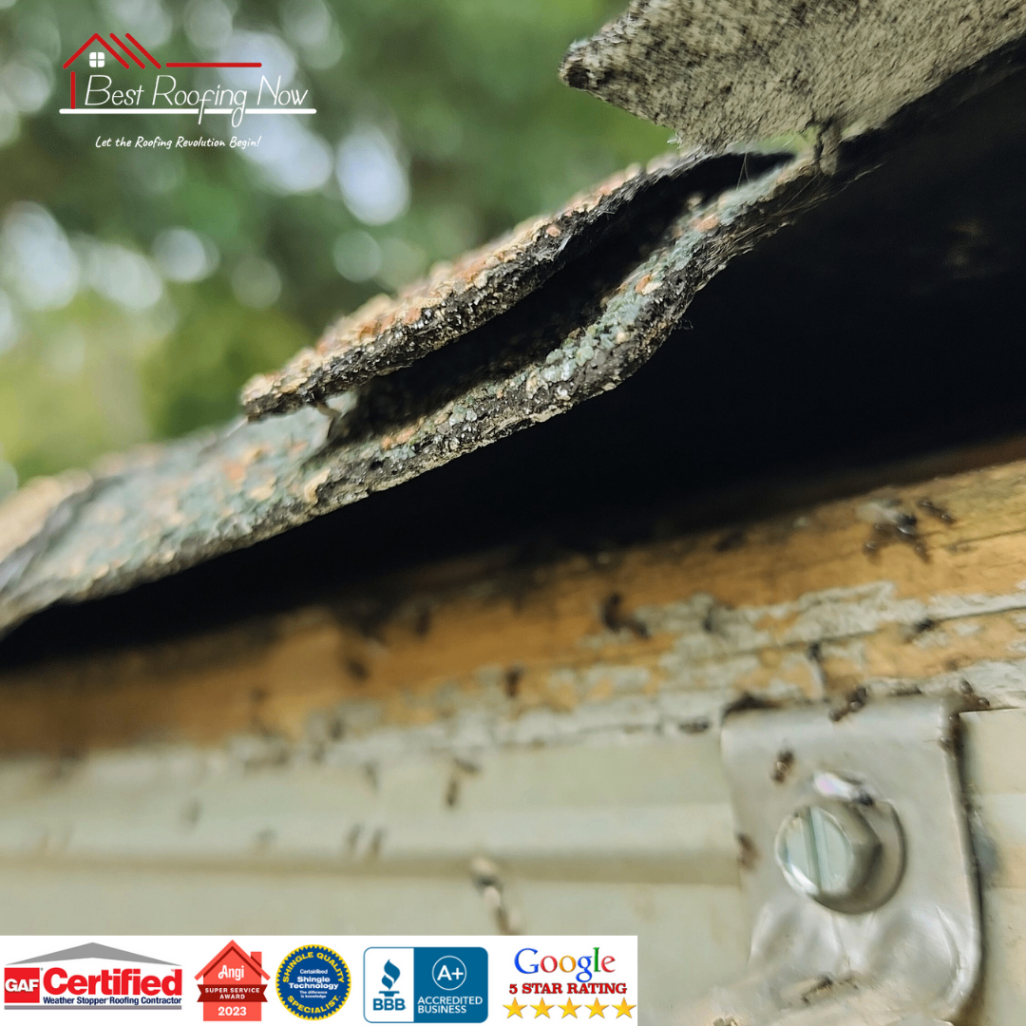
Asphalt shingles make up about 80% of roofs in the Charlotte area, so let's start there. Hail damage on shingles isn't always obvious, but knowing what to look for makes all the difference.
Granule Loss: Your First Warning Sign
After any significant storm, check your gutters and downspouts for an unusual amount of granules. These look like coarse black sand or small pebbles. A few granules are normal, but if you're scooping handfuls out of your gutters, that's a red flag.
Walk around your roof line and look up at your shingles. Healthy shingles have an even, consistent color. Hail damage creates bald spots or shiny patches where granules got knocked off. These exposed areas let UV rays attack the asphalt underneath, accelerating your roof's aging.
The Bruise Test
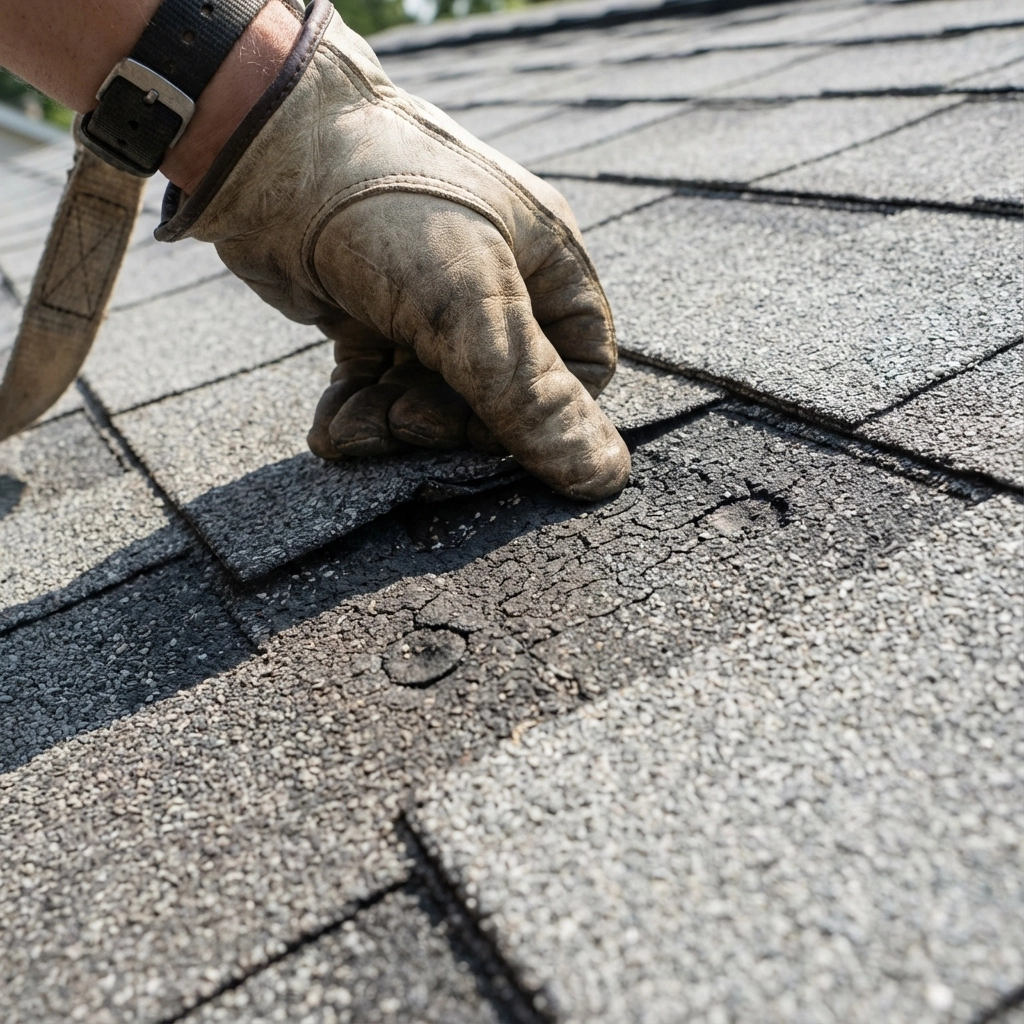
Here's something most homeowners don't know: hail can bruise shingles without leaving visible marks. These bruises feel soft and spongy when you press them, even though they look normal from a distance.
If you can safely access your roof, gently press on shingles with your fingers. Healthy shingles feel firm. Damaged areas give way under pressure: that's the asphalt underneath getting compressed from hail impact.
Cracks and Splits
Larger hail creates visible cracks that can appear straight, jagged, or web-like. These cracks often radiate from the impact point. Even small cracks matter because they expand over time, especially during freeze-thaw cycles common in North Carolina winters.
Missing or partially torn shingles are obvious signs, but also check for shingles that look lifted or no longer lie flat. Wind-driven rain can work underneath these compromised shingles, causing water damage to your roof deck.
Insurance adjusters know that metal components rarely lie about hail damage. These areas show impact evidence clearly and help confirm the severity of a storm.
Roof Vents and Exhaust Fans
Check every metal vent on your roof. Hail leaves small circular dents that are unmistakable. Even plastic vents can crack or chip from hail impact. These damaged vents often leak, causing water problems in your attic.
Flashing Around Chimneys and Skylights
Flashing is the metal barrier that seals roof penetrations. Hail can dent, warp, or dislodge flashing, creating entry points for water. Pay special attention to step flashing along chimney sides and the metal apron flashing at the base.
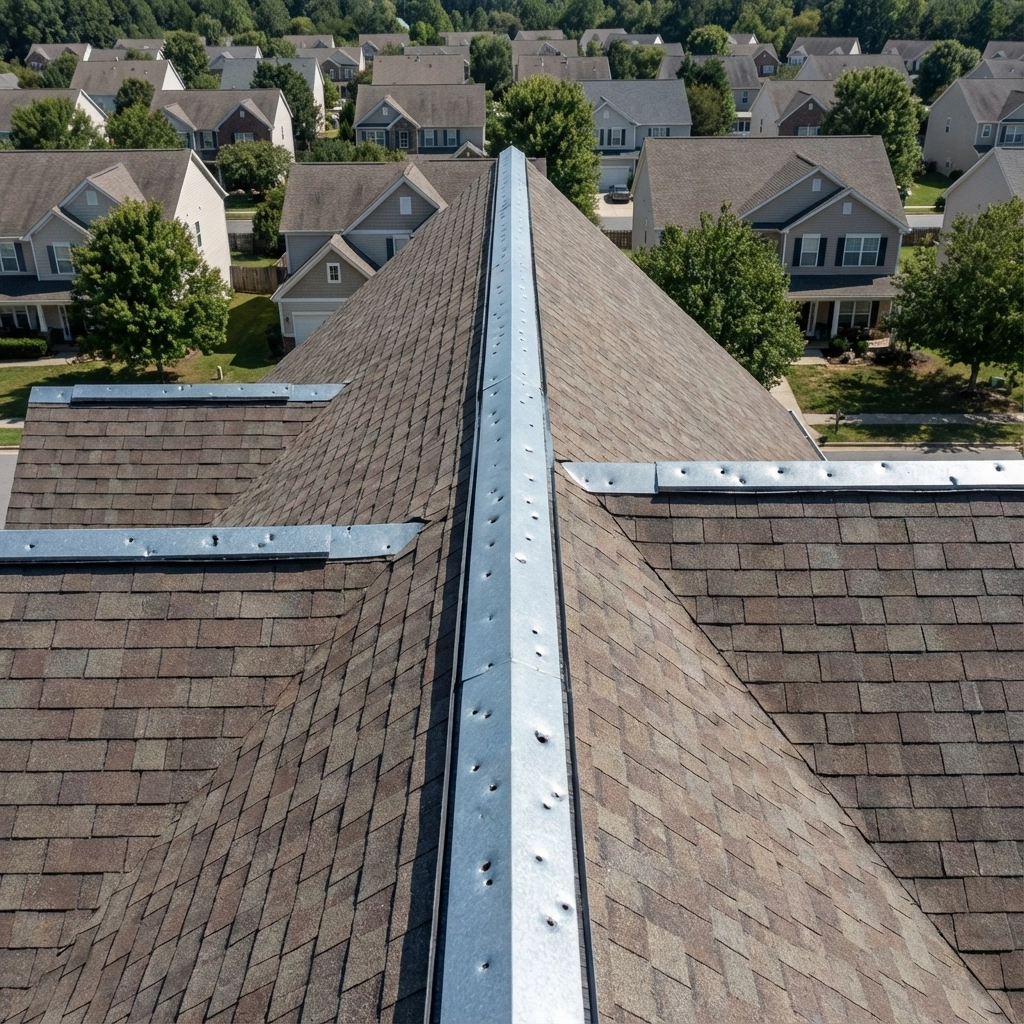
Ridge Caps and Hip Caps
These metal caps protect your roof's highest points, making them prime targets for hail. Dents here are often visible from the ground and provide clear evidence for insurance claims.

Sometimes the first sign of roof damage shows up inside your home. While this means water has already penetrated your roof system, catching it early still prevents major structural damage.
Ceiling and Wall Stains
Brown or yellow water stains on ceilings and upper walls are obvious red flags. But also watch for subtle discoloration or paint that looks slightly different in certain areas. Fresh water damage often appears lighter than surrounding areas before it darkens.
If you have attic access, grab a flashlight and look around after any major storm. Check for:
Wet insulation loses its effectiveness and can harbor mold, so it often needs replacement even after small leaks.
Paint and Drywall Changes
Peeling, bubbling, or cracking paint near the ceiling line can indicate roof leaks. Drywall may warp, sag, or show soft spots where water has soaked in.
Metal Roofs
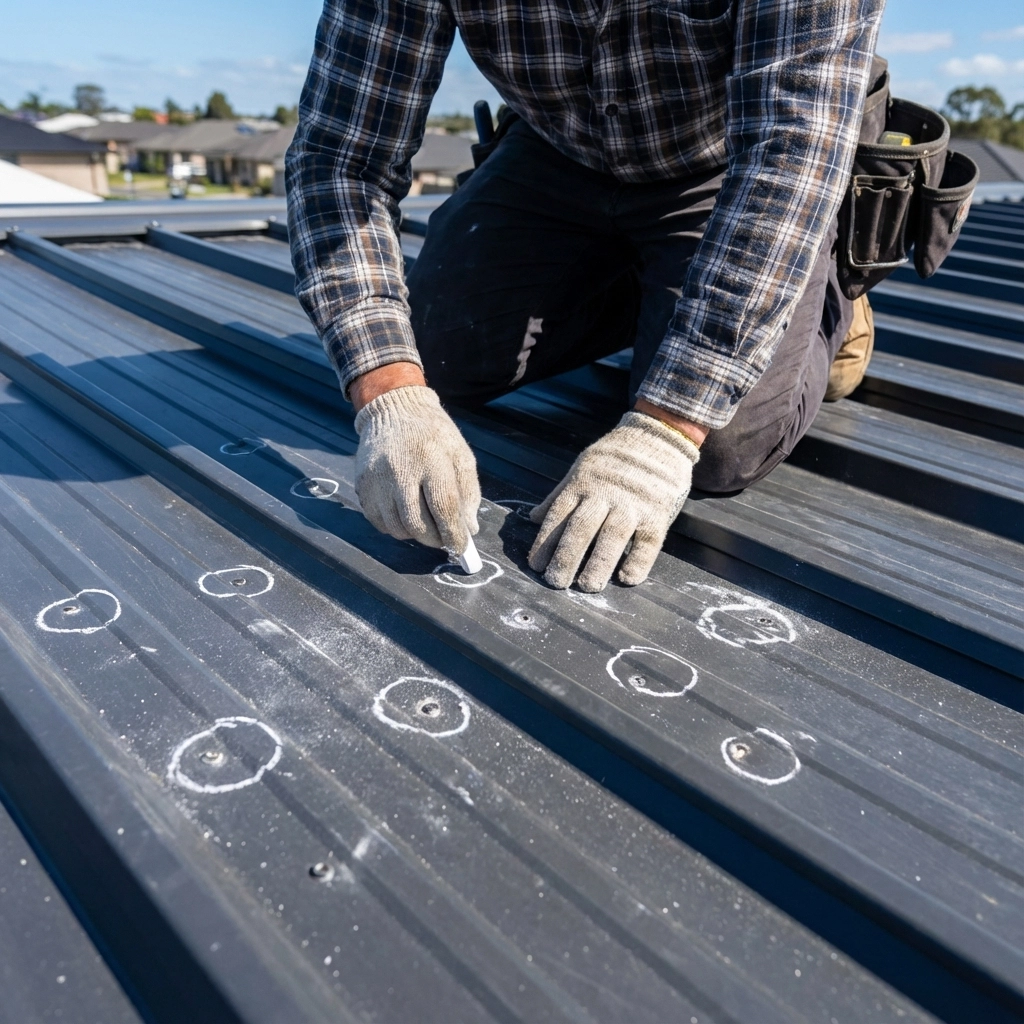
Metal roofing is increasingly popular in the Charlotte area, but hail damage looks different here. Instead of obvious dents, look for:
Professional tip: Rub chalk across suspected damage areas. The chalk will catch in small dents, making them visible.
Tile Roofs
Clay and concrete tiles show hail damage dramatically. Look for:
Slate Roofs
Slate roofs can last over 100 years, but hail can crack or chip these natural stone tiles. Damaged slate often shows white marks where fresh stone is exposed, contrasting with the weathered surface.
Some of the most serious storm damage happens where you can't see it. Wind can lift shingles just enough to break their adhesive seal without making them obviously loose. These compromised shingles may look fine but fail during the next storm.
Hail can also damage your roof's underlayment: the waterproof barrier beneath your shingles. This damage won't be visible until you remove the shingles, but it compromises your roof's protection immediately.
Gutters can suffer internal damage that's not obvious from the ground. Hail can knock gutters out of proper slope, causing water to pool and eventually overflow into your foundation.
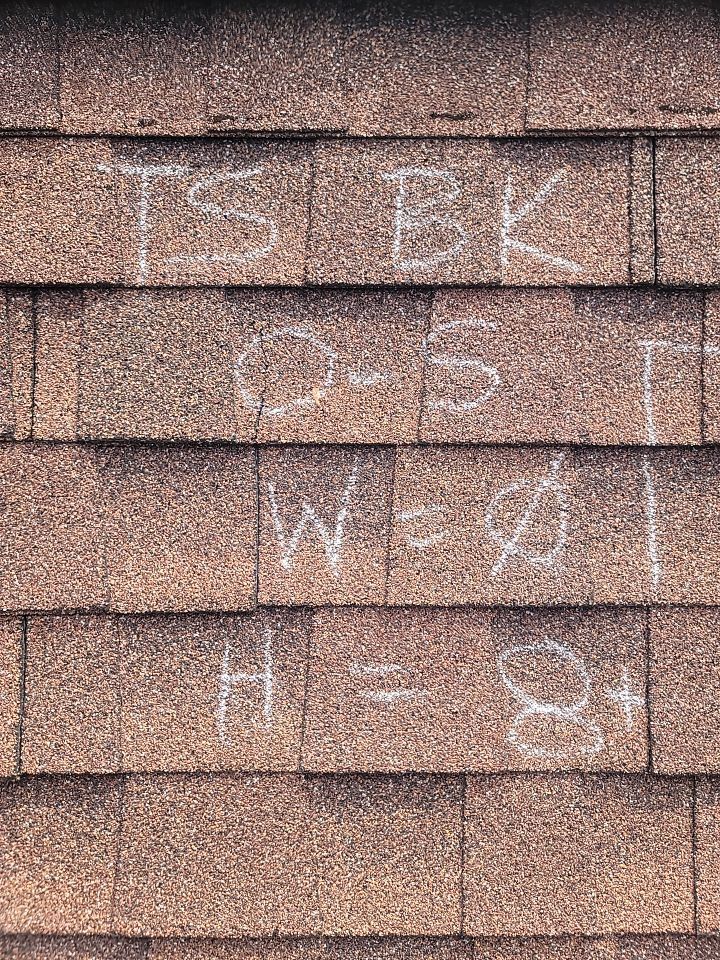
If you find storm damage, document everything before making repairs. Take photos from multiple angles, including:
Note the date, time, and weather conditions when you took photos. Keep receipts for any temporary repairs you make to prevent further damage.
Inspect your roof as soon as it's safe after any significant weather event. Don't wait weeks or months: some insurance companies have strict time limits for reporting storm damage claims.
However, don't rush onto a wet or damaged roof. Wait for dry conditions and use proper safety equipment. If you're not comfortable on a roof, many roofing companies offer free storm damage inspections.
Spring and fall are also good times for routine inspections, even without storm damage. Catching small problems early prevents them from becoming major headaches.
I've seen too many homeowners delay addressing storm damage, thinking small problems will wait. They won't.
A single damaged shingle can lead to water damage costing thousands in repairs. Compromised flashing can cause structural damage to roof decking, requiring extensive carpentry work. Minor granule loss accelerates shingle aging, shortening your roof's life by years.
Insurance companies also prefer quick reporting. Waiting months to file a claim raises questions about when the damage actually occurred.
While you can spot obvious damage yourself, professional inspection reveals problems you might miss. Roofing contractors know exactly where to look and how different damage patterns indicate specific problems.
We see this frequently in the Lake Norman area: homeowners notice obvious shingle damage but miss compromised flashing that will cause problems months later. A professional inspection catches these hidden issues before they become expensive repairs.
Professional inspectors also understand insurance requirements. They know how to document damage properly for claims and can often spot coverage issues before they become problems.
While you can't prevent hail damage, regular maintenance helps your roof survive storms better. Keep gutters clean so water drains properly. Replace damaged or aging shingles before storms hit. Ensure proper attic ventilation to prevent ice dam formation.
Consider upgrading to impact-resistant shingles when it's time for roof replacement. These Class 4 shingles resist hail damage better and often qualify for insurance discounts.
Our area sees unique weather challenges. Spring and early summer bring severe thunderstorms with large hail. Late summer hurricanes can cause wind damage and flooding. Winter ice storms create different problems entirely.
Understanding these patterns helps you time inspections and maintenance. After severe weather events, roofing contractors get overwhelmed with calls. Scheduling regular maintenance during slower periods ensures better service and often better prices.
Today's roofing technology makes damage detection more accurate. Thermal imaging cameras can spot moisture intrusion before you see visible stains. Drone inspections allow detailed roof examination without safety risks.
Many insurance companies now use satellite imagery to assess storm damage. This technology can identify potential damage areas, but ground-level inspection still confirms actual problems.
The key to protecting your home is catching damage early, before small problems become major headaches. Most storm damage starts small and grows over time. A few missing granules become a leaking shingle. A small crack becomes a major split. Compromised flashing becomes interior water damage.
Regular inspection and prompt repairs save money and prevent major problems. Don't wait for obvious leaks to address roof damage: by then, you're looking at much more expensive repairs.
At Best Roofing Now, we've helped thousands of Charlotte and Lake Norman homeowners protect their biggest investment. We offer free storm damage inspections because catching problems early benefits everyone: homeowners avoid major repairs, and we build relationships based on trust and transparency.
Ready to ensure your roof is storm-ready? Contact Best Roofing Now today for a comprehensive roof inspection. We'll check every component, document any damage we find, and provide you with a detailed report and honest recommendations. Don't wait until the next storm reveals problems you could have caught today.
Call us at [phone number] or visit bestroofingnow.com to schedule your free inspection. Your roof protects everything you value: make sure it's ready for whatever North Carolina weather brings next.
Best Roofing Now
Charlotte's trusted roofing experts since 2019
Need help with your roof? Explore our professional roofing services in Charlotte NC.
Get a free roof inspection and honest assessment from Charlotte's most trusted roofing company.


