
Roofing Tips & Guides
Expert Roofing Advice for Charlotte Homeowners
Learn from Charlotte's trusted roofing experts. Tips on maintenance, repair, replacement, and protecting your home from the elements.
Leak or wind damage from Isaias? 24/7 emergency tarping, free storm-damage inspections and insurance-claim help.
Learn from Charlotte's trusted roofing experts. Tips on maintenance, repair, replacement, and protecting your home from the elements.
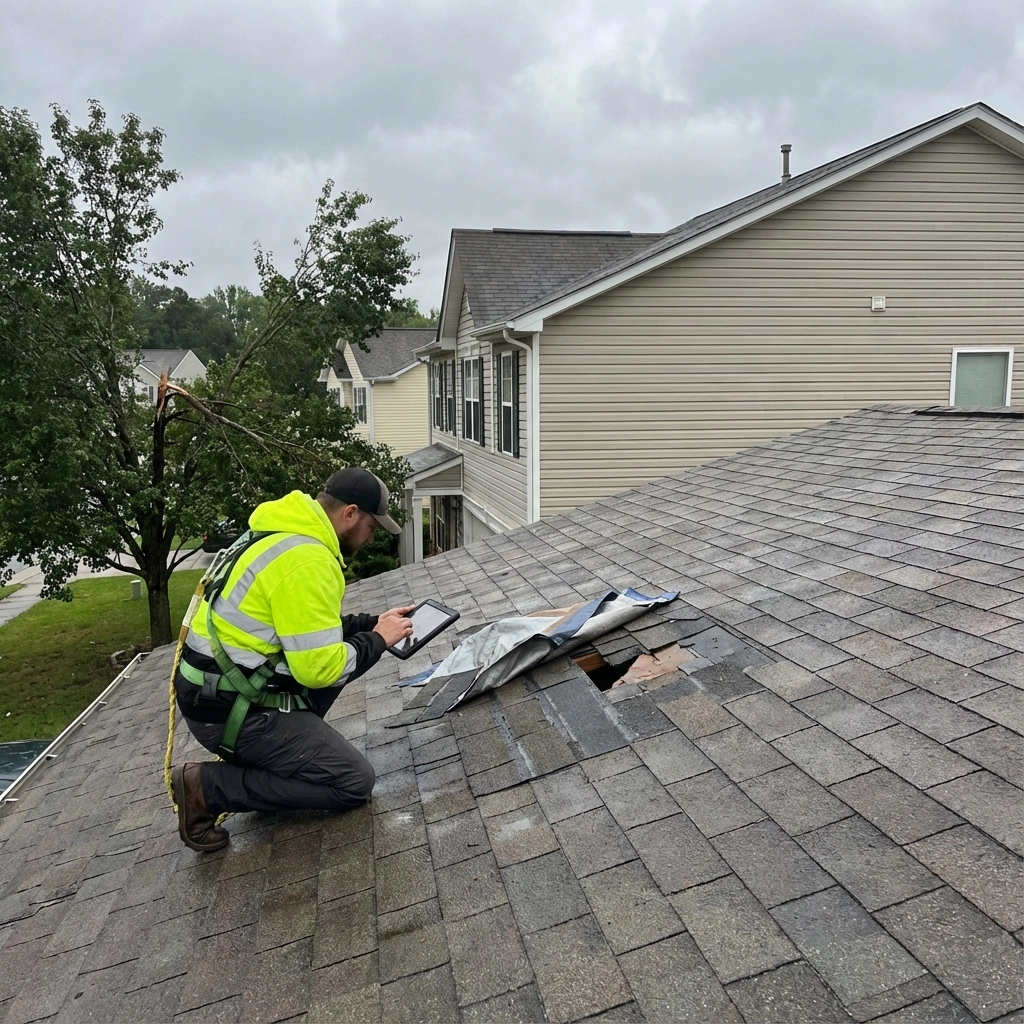
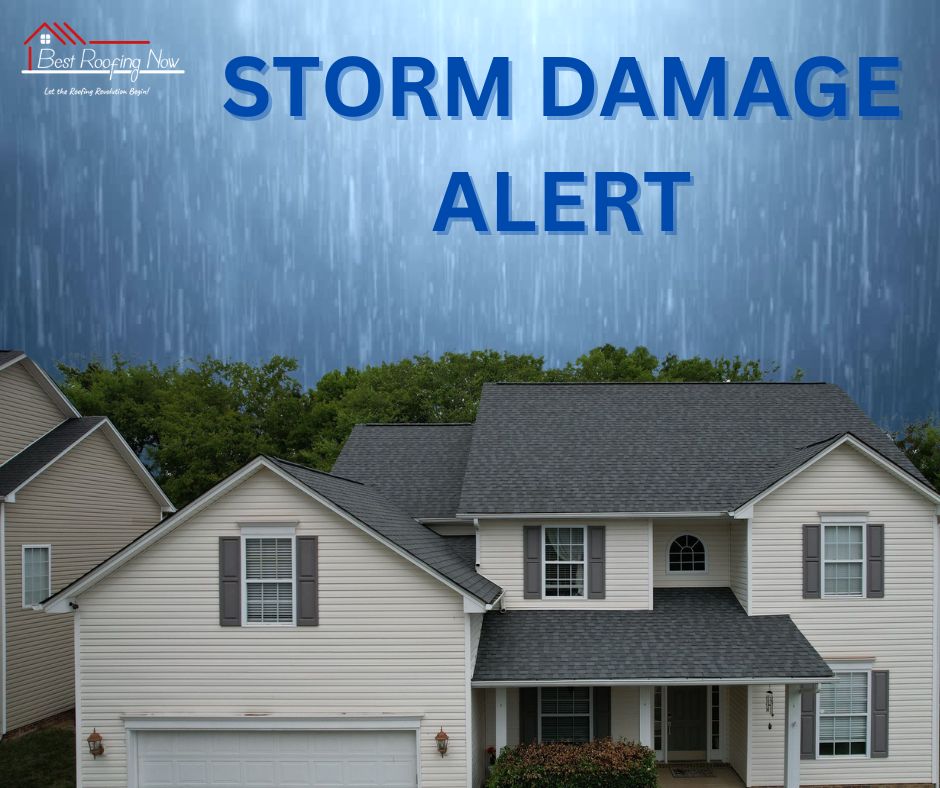
Charlotte's weather can turn from peaceful to destructive in minutes. One moment you're enjoying a quiet evening, the next you're watching golf-ball sized hail pummel your roof or winds strong enough to flip cars tear through your neighborhood.
After any significant storm in the Queen City, your roof becomes the silent guardian that either protected your home, or took a beating trying to. But how do you know if that beating crossed the line from "wear and tear" to "emergency repair needed"?
I've been inspecting storm-damaged roofs across Charlotte and Lake Norman for years. And I've learned that the difference between a minor repair bill and a complete roof replacement often comes down to catching damage early.
Here's exactly what to look for after Charlotte's next big storm hits.
These are the roof damage signs that can't wait until Monday morning. If you spot any of these, your roof needs immediate professional attention.
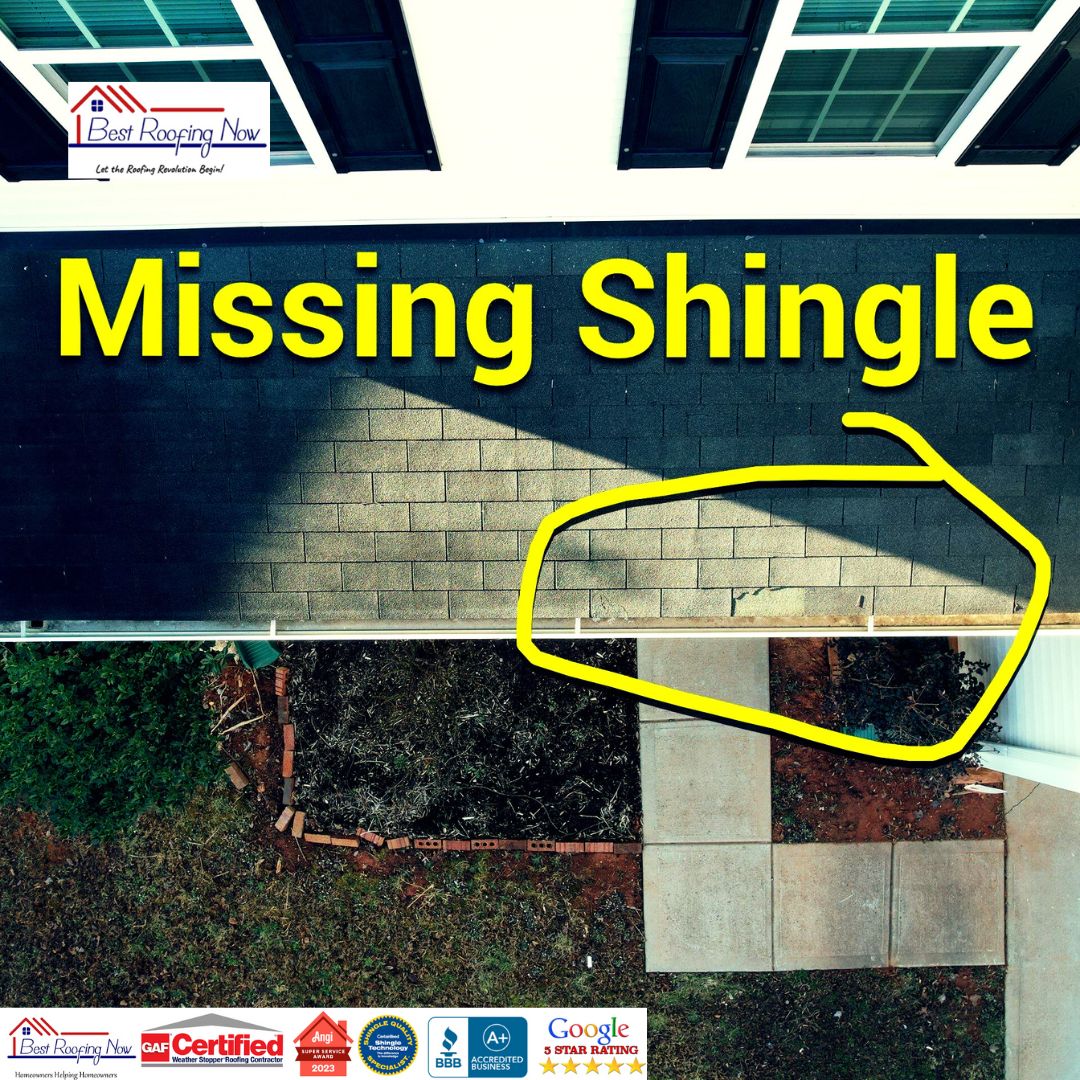
Walk around your property after a storm. If you see shingles scattered on the ground or bare patches on your roof, that's an emergency.
Charlotte's spring storms and summer thunderstorms pack winds that regularly hit 60+ mph. Those winds can rip shingles clean off, leaving your roof's underlayment (the protective barrier under shingles) exposed to the elements.
Here's why this matters: Your underlayment wasn't designed to be your roof's permanent protection. It's more like wearing a t-shirt in a downpour, it'll help for a few minutes, but you're going to get soaked.
Those yellowish-brown rings or streaks on your ceiling? They're your roof's way of waving a white flag.
Water stains mean your roof has already been breached. The water has traveled through your attic, soaked your insulation, and made it all the way to your living space. By the time you see stains, water has likely been infiltrating for hours or even days.
In Charlotte's humid climate, this moisture creates perfect conditions for mold growth. What starts as a roof leak quickly becomes a health hazard and expensive remediation project.
Step back and look at your roof from the street. Does any part look like it's dipping or sagging?
A sagging roofline means your roof's support structure has been compromised. This could be from:
This is the kind of damage that can lead to catastrophic roof collapse. Don't wait: call a professional immediately.
These issues won't cause your roof to collapse overnight, but they'll get worse fast if ignored.
Charlotte's hailstorms are legendary. Even small hail can crack asphalt shingles, while larger stones leave visible dents that compromise the shingle's integrity.
Cracked shingles allow water to seep underneath, gradually working its way toward your home's interior. Curled shingles create gaps where wind-driven rain can infiltrate.
The tricky part? These damages often look minor from the ground but create major problems over time.
Flashing is the metal or rubber material that seals joints around chimneys, vents, skylights, and where roof planes meet. It's like the caulk around your bathtub: when it fails, water finds a way in.
Storm winds can lift, tear, or loosen flashing. Check these areas carefully:
Damaged flashing is responsible for about 90% of roof leaks. It's often overlooked because it doesn't look dramatic, but fixing it quickly prevents major water damage.
Asphalt shingles are covered with tiny granules that protect them from UV damage. When Charlotte's storms hit, these granules get knocked loose and wash into your gutters.
A few granules after a storm is normal. But if your gutters look like someone dumped a bucket of coarse sand in them, your shingles have taken a serious beating.
Without their protective granule layer, shingles deteriorate rapidly under our intense summer sun. What could have been a partial repair becomes a full roof replacement within a year or two.
These indicators require closer inspection but can save you thousands if caught early.
During daylight, grab a flashlight and climb into your attic. Turn off the light and look for any spots where sunlight peeks through.
If light can get in, water can too. These pinhole leaks might not cause immediate flooding, but they'll rot your roof decking over time. Plus, they're entry points for insects and small animals.
Charlotte's storms often combine high winds with heavy debris. Tree branches, leaves, and even roof materials can clog or damage your gutters.
When gutters can't channel water away from your roof, several problems develop:
Your roof is a key part of your home's insulation system. When storms damage it, your HVAC system works harder to maintain comfortable temperatures.
If your energy bill spikes after a storm (and it's not just due to running the AC more), damaged roof areas might be letting conditioned air escape.
In Charlotte's climate, where we use both heating and cooling throughout the year, this can add hundreds to your annual energy costs.
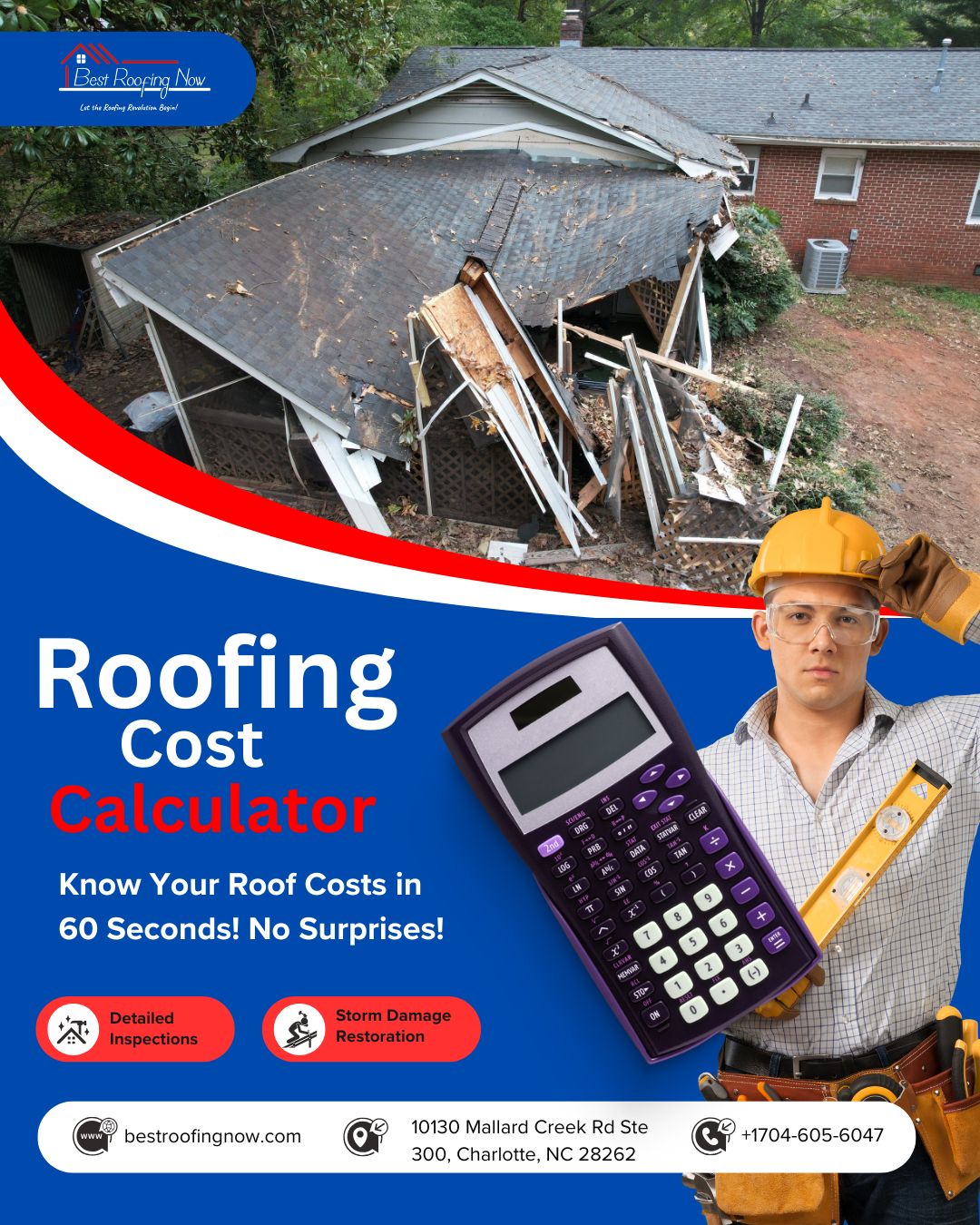
Here's an insider tip: If several houses in your neighborhood are getting new roofs after a storm, your roof likely experienced similar conditions.
Insurance companies track storm patterns precisely. When they're approving multiple claims in your area, it's worth having your roof inspected even if you don't see obvious damage.
Some roof damage is impossible to spot safely from the ground. Here's when to call in the experts:
Professional roofers have the training and equipment to safely access your roof and spot damage you might miss. Many Charlotte roofing companies offer free storm damage inspections and can help document damage for insurance claims.
Never attempt to inspect your roof yourself during or immediately after a storm. Wet, damaged roofing materials are extremely dangerous to walk on.
Also avoid these common mistakes:
Professional roofers carry insurance and have specialized safety equipment for roof access. It's not worth risking injury to save on an inspection that many companies provide free.
Charlotte's unique weather patterns require specialized knowledge. Our storms often combine multiple damage types:
Working with a local Charlotte roofing contractor means getting someone who understands these specific challenges and knows what to look for after each type of storm.
If you've identified any of these warning signs, don't wait for the next storm to cause more damage. Storm damage compounds quickly: what starts as a minor leak becomes major water damage, mold problems, and structural issues.
Contact Best Roofing Now for a comprehensive storm damage inspection. We'll thoroughly evaluate your roof, document any damage for insurance purposes, and provide honest recommendations for repairs or replacement.
Remember: Catching storm damage early doesn't just save money: it protects your family's safety and your home's value.
Ready to get peace of mind about your roof's condition? Schedule your free storm damage inspection today or call us directly. We'll handle the assessment safely and professionally, so you can focus on what matters most: keeping your family safe and dry.
Best Roofing Now
Charlotte's trusted roofing experts since 2019
Based on this article, you may be interested in these services.
We proudly serve these Charlotte-area communities with professional roofing services.
View All Service Areas →See our recent roofing work across the Charlotte metro area.
Charlotte, NC
work in progress

Charlotte, NC
before after
Charlotte, NC
work in progress
Charlotte, NC
new roof
Get a free roof inspection and honest assessment from Charlotte's most trusted roofing company.


