
Roofing Tips & Guides
Expert Roofing Advice for Charlotte Homeowners
Learn from Charlotte's trusted roofing experts. Tips on maintenance, repair, replacement, and protecting your home from the elements.
Learn from Charlotte's trusted roofing experts. Tips on maintenance, repair, replacement, and protecting your home from the elements.

Living around Lake Norman means dealing with everything from sudden summer thunderstorms to those sneaky winter ice dams. Your roof takes a beating year-round, but here's the thing: most leaks don't just happen overnight. They give you warning signs first.
As someone who's climbed thousands of roofs around Cornelius, Huntersville, and Mooresville, I can tell you that catching problems early saves homeowners serious money. A $50 tube of sealant today beats a $5,000 water damage repair next month.
Our area presents unique challenges that make regular roof maintenance critical. The combination of humid summers, sudden temperature swings, and those intense afternoon thunderstorms that roll across the lake creates perfect conditions for roof problems.
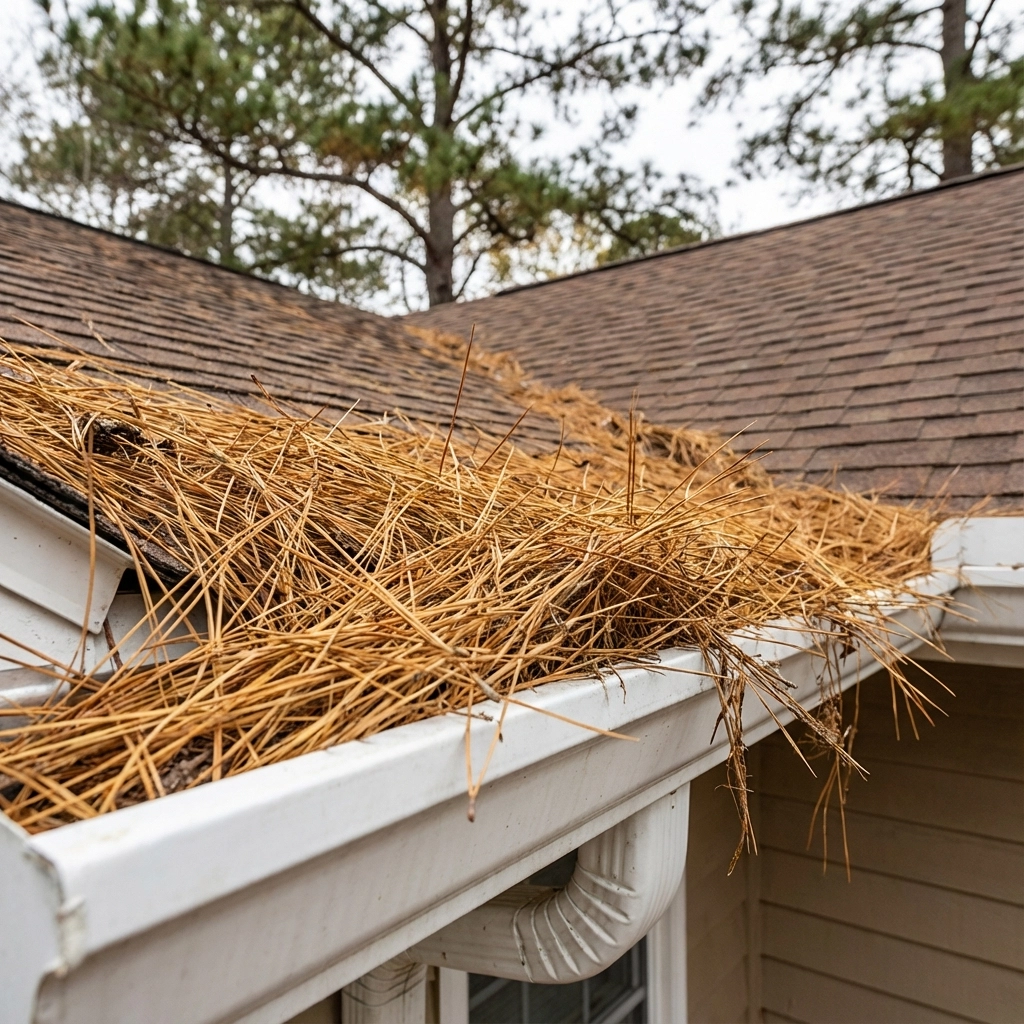
Pine needles from our abundant trees clog gutters faster than you'd think. Ice dams form surprisingly often during our brief but intense winter freezes. And the clay soil that shifts with our wet-dry cycles? That movement affects your whole house structure, including where your roof meets your walls.
Spring (March-May): Check for winter damage after our last freeze. Look for loose or missing shingles from those February ice storms we get every few years.
Summer (June-August): Before hurricane season hits, inspect flashing around chimneys and vents. Clean gutters of spring pollen buildup.
Fall (September-November): Clear gutters of leaves before winter. Check for summer storm damage and ensure proper drainage before cold weather.
Winter (December-February): Watch for ice dam formation during freezes. Check attic for condensation issues when heating systems run constantly.
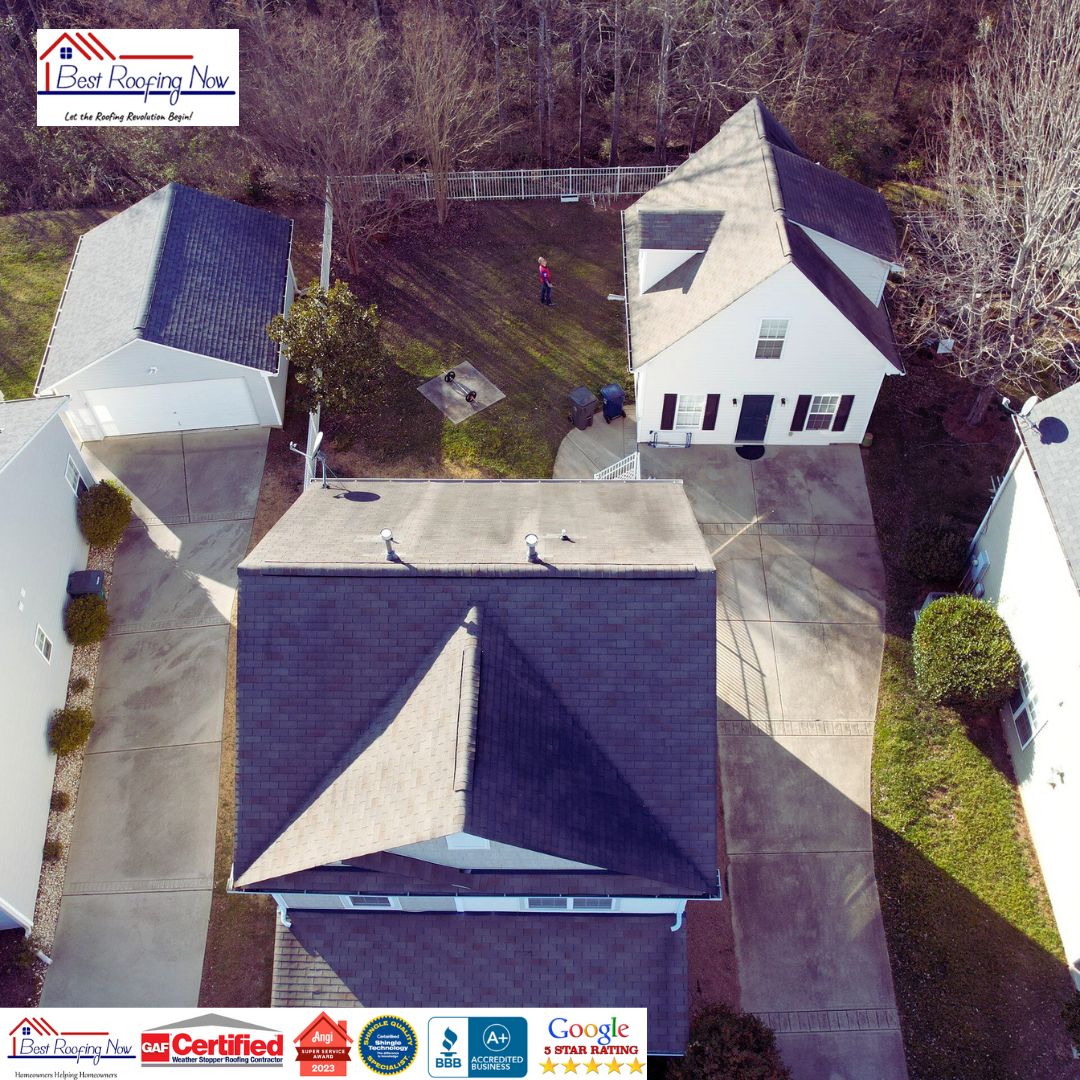
Start your inspection from the ground with binoculars. You don't need to get on the roof to spot most problems.
Look for these red flags:
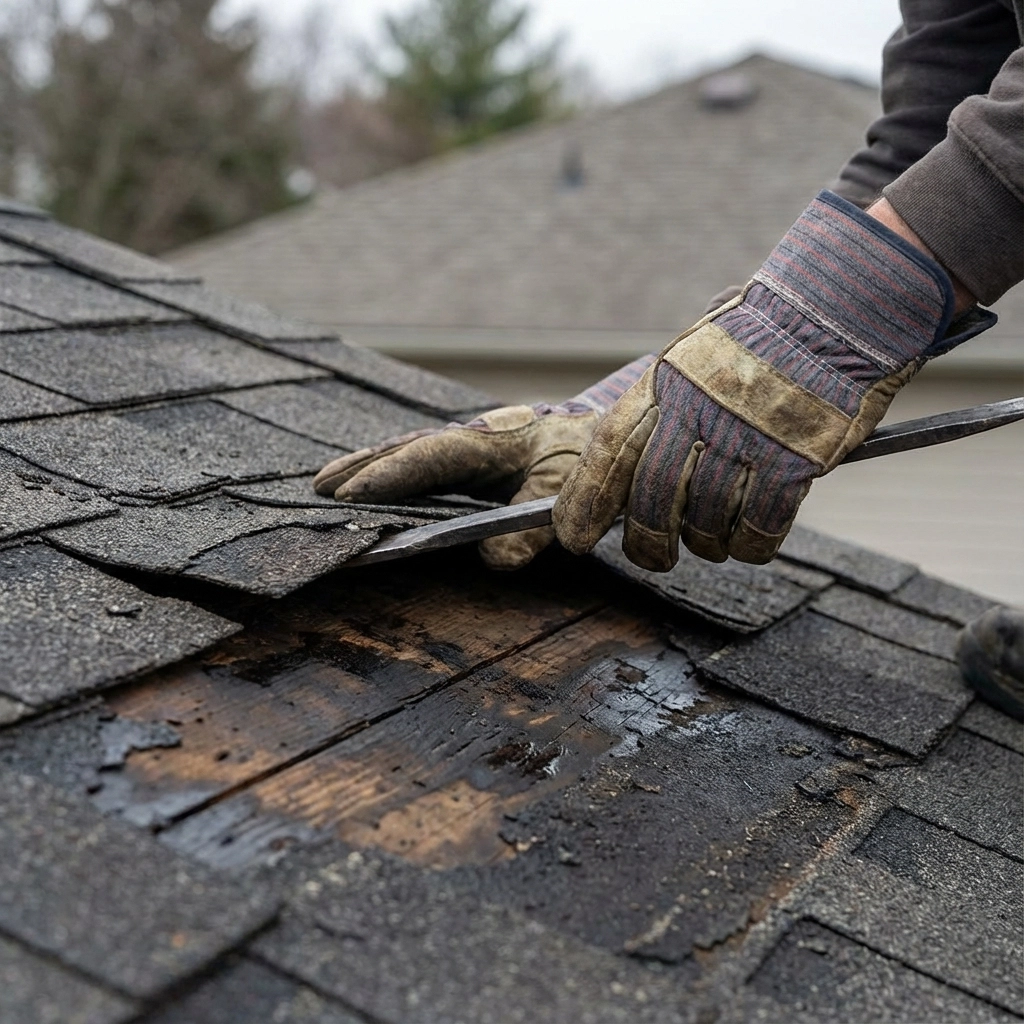
Curled, cracked, or missing shingles: especially on the south-facing side that gets hammered by our intense summer sun. Dark streaks or stains that could indicate algae growth in our humid climate. Sagging areas that might mean water damage or structural issues.
Check your gutters next. Overflowing gutters during heavy rain often indicate clogs or improper slope. Standing water in gutters after storms suggests drainage problems that can lead to roof leaks.
Examine flashing carefully. These metal strips around chimneys, vents, and where your roof meets walls are leak magnets. Look for rust, gaps, or areas where caulk has cracked or pulled away.
Small nail holes or minor cracks: Clean the area thoroughly and apply a generous amount of roofing sealant. In our climate, use sealants rated for temperature extremes: we get 100-degree summer days and occasional single-digit winter nights.
Loose shingle edges: Lift the shingle gently and apply roofing cement underneath. Press down firmly and weight it down until the cement sets. Don't attempt this in extreme heat when shingles become brittle.
Minor flashing gaps: Clean out old caulk completely and apply fresh, high-quality exterior caulk. The key word here is "minor": if you can fit more than your thumb in the gap, call a professional.
Gutter leaks at joints: These often develop during our heavy spring rains. Clean the area, let it dry completely, and apply gutter sealant from the inside. For Lake Norman's clay-heavy runoff, consider adding gutter guards to reduce future clogs.
Living around Lake Norman means dealing with pine needles year-round. They're not just a gutter issue: they trap moisture against your roof and can work their way under shingles.
Clean gutters at least twice yearly, more if you have large pines nearby. Those needles pack down into concrete-like masses that can cause water to back up under your roof edge.
After major storms: If you've experienced winds over 60 mph or hail larger than quarters, have a professional inspect your roof. Our sudden summer storms can cause damage that's not immediately visible.
Ice dam formation: If you see icicles forming along your roof edge during winter freezes, don't try to chip them off yourself. This indicates poor attic ventilation or insulation issues that need professional attention.
Multiple small leaks: One leak might be a simple fix, but multiple leaks often indicate systemic problems with your roof system.
Lake Norman's humidity makes roofs slippery even when they appear dry. Never attempt roof work during or immediately after rain. Those afternoon thunderstorms can develop quickly: if you see clouds building over the lake, get down immediately.
Use a sturdy ladder placed on firm, level ground. The clay soil around here can be softer than it looks, especially after rain. Have someone spot you, and maintain three points of contact at all times.
Wear non-slip shoes with good tread. Those composite shingles common in our newer developments can be surprisingly slick, especially when morning dew mixes with pollen.
Here's something I've learned after years in this business: the best DIY homeowners know when to call professionals. You're not admitting defeat: you're protecting your investment.
Call us for anything involving structural changes, multiple shingles, or electrical work near your roof. We see too many well-intentioned repairs that cost more to fix properly than if they'd been done right the first time.
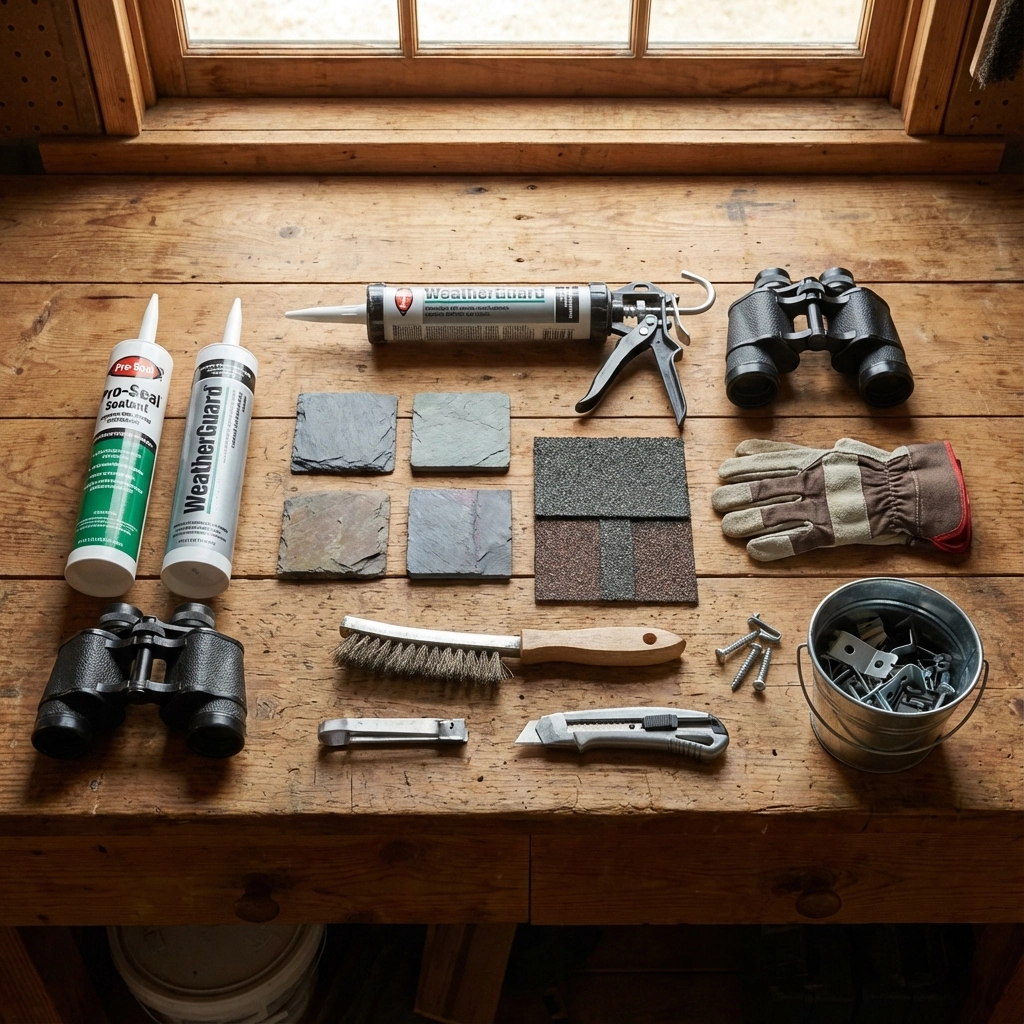
Keep these supplies on hand for quick repairs:
Living in this beautiful area comes with responsibilities. Our homes are investments worth protecting, and our variable weather demands attention to detail.
Regular maintenance prevents small problems from becoming disasters. A weekend morning spent checking your roof can save thousands in water damage repairs.
But remember: you're not alone in this. The Lake Norman roofing community includes homeowners who take pride in maintenance and professionals who understand local conditions.
Some problems require expert intervention immediately:
Sagging rooflines suggest structural issues that DIY repairs can't address. Multiple leaks often indicate systemic problems. Damaged flashing around chimneys involves both roofing and potential fire safety issues.
Electrical components near roof problems need professional coordination between roofers and electricians. Insurance claim situations benefit from professional documentation and repair estimates.
Start with a ground-level inspection this weekend. Use binoculars to check for obvious problems, then tackle any minor issues you feel comfortable addressing.
Document what you find with photos: this helps track changes over time and provides valuable information if you need professional help later.
Most importantly, don't let small problems become big ones. Our Lake Norman climate can turn minor issues into major headaches quickly.
Ready for a professional assessment? We offer free inspections for Lake Norman homeowners because we believe in the partnership approach to roof maintenance. You handle what you can, and we're here for everything else.
Schedule your free roof inspection today at bestroofingnow.com or call us directly. Let's keep your Lake Norman home protected through every season.
Best Roofing Now
Charlotte's trusted roofing experts since 2019
Need help with your roof? Explore our professional roofing services in Charlotte NC.
Get a free roof inspection and honest assessment from Charlotte's most trusted roofing company.


