
Roofing Tips & Guides
Expert Roofing Advice for Charlotte Homeowners
Learn from Charlotte's trusted roofing experts. Tips on maintenance, repair, replacement, and protecting your home from the elements.
Learn from Charlotte's trusted roofing experts. Tips on maintenance, repair, replacement, and protecting your home from the elements.

Living in Charlotte, you've probably experienced your fair share of wind storms. From summer thunderstorms that roll through with little warning to the occasional hurricane that makes its way inland, wind damage is a real concern for homeowners in our area. The thing is, many folks don't realize just how much damage wind can cause until it's too late.
Here's something that might surprise you: between 2014 and 2018, homeowners filed more claims for wind and hail damage than for fire, water damage, or theft combined. That's a pretty eye-opening statistic that shows just how common wind damage really is.
Wind doesn't just blow your patio furniture around – it can seriously mess with your home's structure in ways you might not expect. There are actually four main ways wind can damage your house:
Uplift happens when wind flows over your roof, creating a lifting effect. Think of it like an airplane wing – the air moving over the top creates suction that can literally try to pull your roof off.
Racking occurs when horizontal wind pressure pushes against your home's walls, causing the whole structure to tilt or lean. You've probably seen this in tornado footage where houses look like they're about to tip over.
Sliding is when wind pressure is so strong it actually slides your home off its foundation. This is more common with mobile homes, but it can happen to stick-built houses too.
Overturning is the most dramatic – it's when wind forces cause your walls to rotate right off the foundation. This usually happens when your home can't rack or slide, so all that pressure has to go somewhere.

The most vulnerable spots on your home are your roof, windows, doors, and garage door. Once wind breaks through any of these openings, it gets inside and starts pushing on your walls and roof from the inside out. That's when things get really expensive, really fast.
The good news is that most standard homeowners insurance policies cover wind damage pretty comprehensively. Your dwelling coverage helps pay for repairs to your roof, siding, or windows, while your personal property coverage takes care of damaged belongings inside your home.
But here's the catch – and there's always a catch with insurance – coverage can vary quite a bit depending on your specific policy. Some states have special deductibles that kick in for certain types of windstorms, especially hurricanes. In North Carolina, you might face a higher deductible if your damage is hurricane-related versus regular storm damage.
The key is to actually read your policy (I know, I know, it's about as exciting as watching paint dry) and understand what your deductibles are, what your coverage limits are, and if there are any exclusions that might apply to your situation.
Your roof takes the brunt of wind damage, so it makes sense to start there. The connection between your roof structure and your walls is absolutely critical – it's what creates what experts call a "continuous load path" from your roof all the way down to your foundation.
Regular roof inspections are key, but you don't need to climb up there yourself (please don't!). You can do a pretty good inspection from the ground using binoculars. Look for missing or loose shingles, damaged flashing around chimneys and vents, or any areas where the roofline doesn't look quite right.
From inside your attic, check areas where wiring or pipes enter your roof. If you can see daylight coming through anywhere, that's a spot that needs attention. These small openings might not seem like a big deal, but they can become major problems during a windstorm.
If you spot any issues, get them fixed by a licensed contractor sooner rather than later. A small problem today can become a massive headache when the next storm rolls through.

Your windows and doors are basically the weak links in your home's armor against wind. Once wind breaks through these openings, it's game over – the pressure inside your home can literally blow your roof off from the inside.
If you live in an area that gets frequent severe weather, consider investing in wind-resistant features like reinforced doors and windows. Storm shutters are another great option – you can get permanent ones or just keep some plywood on hand to cover windows when severe weather is forecasted.
Glass doors, French doors, and skylights need extra attention. They look great, but they're also prime targets for flying debris during storms.
Your garage door is another vulnerable spot that often gets overlooked. Unless you have a hurricane-resistant garage door, consider adding braces or installing hurricane panels. A damaged garage door can let wind into your home just like a broken window would.
The best defense against wind damage is staying on top of maintenance year-round. This doesn't mean you need to spend every weekend on home projects, but a few key tasks can make a huge difference:
Tree and landscaping maintenance is probably the most important thing you can do. Keep trees trimmed, especially any branches that hang over your house or are close to power lines. Dead or diseased trees should be removed entirely – they're basically projectiles waiting for the next storm.
Siding and exterior maintenance includes reattaching any loose siding, checking caulking around windows and doors, and sealing up any gaps where water lines, dryer vents, or electrical wires enter your home.
If you have a gable roof (the triangular kind), make sure your roof frame has proper bracing. These roofs are particularly susceptible to high winds, and adding bracing can make a big difference.
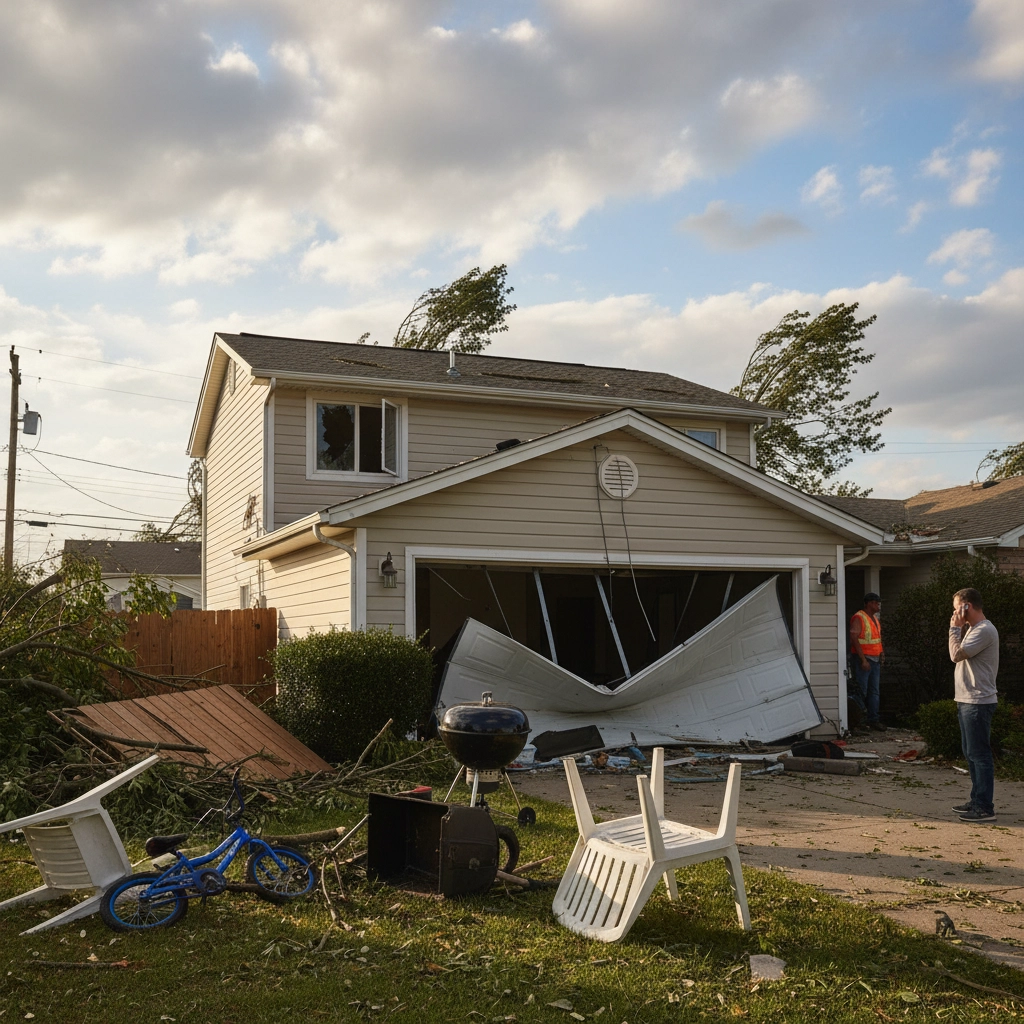
When you know a windstorm is headed your way, there are some quick steps you can take to minimize damage:
Bring in or secure anything outside that could become a projectile – lawn furniture, grills, kids' toys, hanging baskets, basically anything that's not nailed down. You'd be amazed at how far a plastic chair can travel in high winds.
If you have plywood cut to fit your windows, now's the time to put it up. If you don't have plywood ready, consider getting some cut to size before storm season starts.
Check your gutters and downspouts to make sure they're clear and securely attached. Clogged gutters can overflow and cause water damage even if your roof stays intact.
If wind does damage your home, your first priority is safety. Don't go outside during the storm to assess damage – wait until it's completely safe.
Once the storm passes, document everything with photos or videos. Take pictures of both the outside damage and any interior damage. Make a detailed list of everything that's broken or damaged, and note any structural issues you can see.
Contact your insurance company as soon as possible to start the claims process. The sooner you call, the sooner they can get an adjuster out to assess the damage. Be prepared to provide details about when the damage occurred and what caused it.
While there's plenty you can do to prevent and prepare for wind damage, there are definitely times when you need to call in the pros. Any time you suspect structural damage, see significant roof damage, or have broken windows that compromise your home's security, it's time to call a professional.
At Best Roofing Now, we've seen it all when it comes to wind damage in the Charlotte area. We can help with everything from minor shingle repairs to complete roof replacements, and we work directly with insurance companies to make the process as smooth as possible.
Wind damage might seem like something that happens to other people, but the reality is that it's one of the most common types of property damage homeowners face. The good news is that with proper preparation, maintenance, and understanding of how wind affects your home, you can significantly reduce your risk.
Remember, an ounce of prevention really is worth a pound of cure when it comes to wind damage. Regular maintenance, proper preparation, and knowing when to call in professionals can save you thousands of dollars and a lot of stress down the road.
Stay safe out there, and don't hesitate to reach out if you have questions about protecting your home from wind damage. We're here to help keep Charlotte homeowners covered, no matter what Mother Nature throws our way.
Best Roofing Now
Charlotte's trusted roofing experts since 2019
Need help with your roof? Explore our professional roofing services in Charlotte NC.
Get a free roof inspection and honest assessment from Charlotte's most trusted roofing company.

