
Roofing Tips & Guides
Expert Roofing Advice for Charlotte Homeowners
Learn from Charlotte's trusted roofing experts. Tips on maintenance, repair, replacement, and protecting your home from the elements.
Learn from Charlotte's trusted roofing experts. Tips on maintenance, repair, replacement, and protecting your home from the elements.

The roofing industry has some dirty little secrets, and today we're spilling them all. After years of working with homeowners in Charlotte and seeing how the industry operates, it's time someone told you the truth about roof coatings. These aren't just industry "best practices" – these are the insider secrets that could save you thousands of dollars and years of headaches.
Here's the biggest secret that many roofing companies don't want you to know: not all roofs need to be replaced. It's way more profitable for contractors to sell you a $15,000-$25,000 roof replacement than a $3,000-$5,000 coating job.
But here's the truth – if your roof has missing or loose shingles, small non-widespread leaks, or areas where the structure still feels solid underfoot, a quality coating might be all you need. Silicone coatings can adhere to virtually any roofing material including metal, built-up roofing, mineral cap sheet, single-ply, and polyurethane foam.
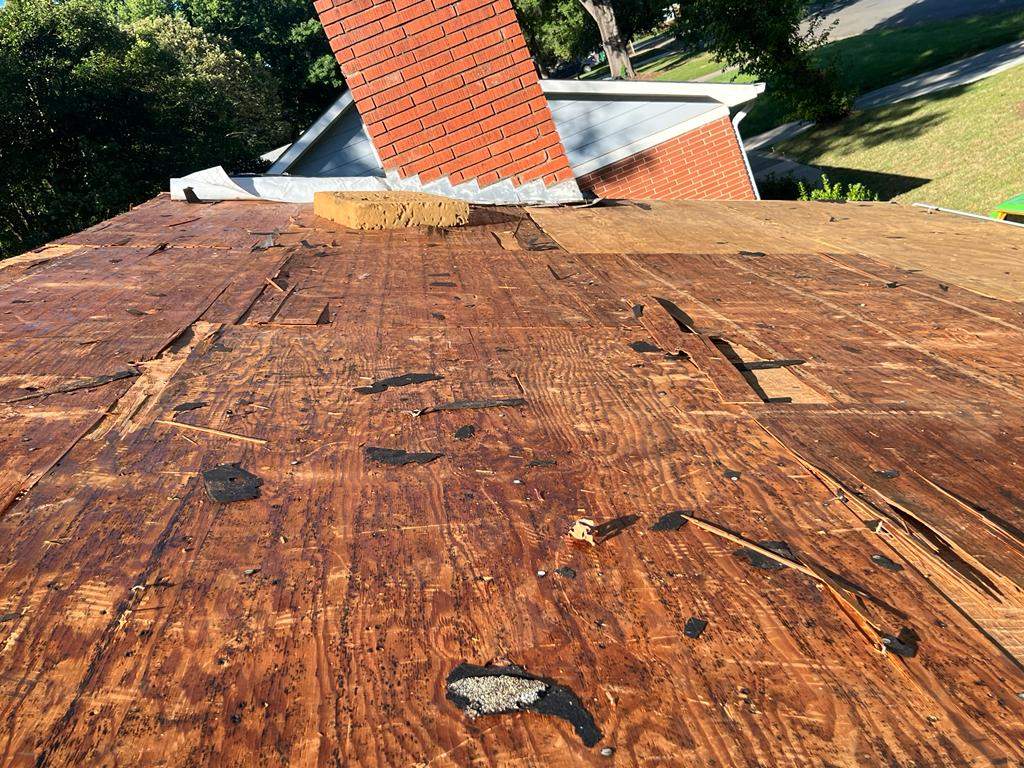
The key is getting an honest assessment. A trustworthy contractor should evaluate your roof's condition and explain all your options – not just push the most expensive one.
Most homeowners have no idea just how superior silicone coatings are compared to traditional roofing materials. Here's what companies rarely emphasize:
They absorb zero moisture. Unlike water-based coatings, silicone coatings repel water completely. This means they won't soften, bubble, or deteriorate when water sits on them – a huge advantage for flat or low-slope roofs.
They're energy efficiency champions. Energy Star-rated silicone coatings can reduce your roof surface temperature by up to 60°F. That distinctive white membrane isn't just for looks – it delivers serious energy savings that show up on your monthly bills.
They're surprisingly eco-friendly. These coatings contain high percentages of recycled content with no crystalline silica, and they eliminate the need for roof tear-offs. Some systems can even contribute to LEED design points.
This is where things get really interesting. Many roofing professionals know these application secrets but don't always share them upfront:
Two coats minimum, always. A single thin coat might look good initially, but it won't provide adequate waterproofing or reflective properties. Most quality coating systems require at least two coats for optimal performance.
Thickness matters more than you think. For elastomeric roof coatings, you need 20 to 60 mils of total thickness across all coats. Think of it like paint – too thin and it won't protect properly, too thick and you're wasting money and creating potential problems.
Thin successive coats beat one thick coat every time. Multiple thin layers dry faster, minimize sagging, and improve adhesion between layers. It's more work for the contractor, but it delivers better results.
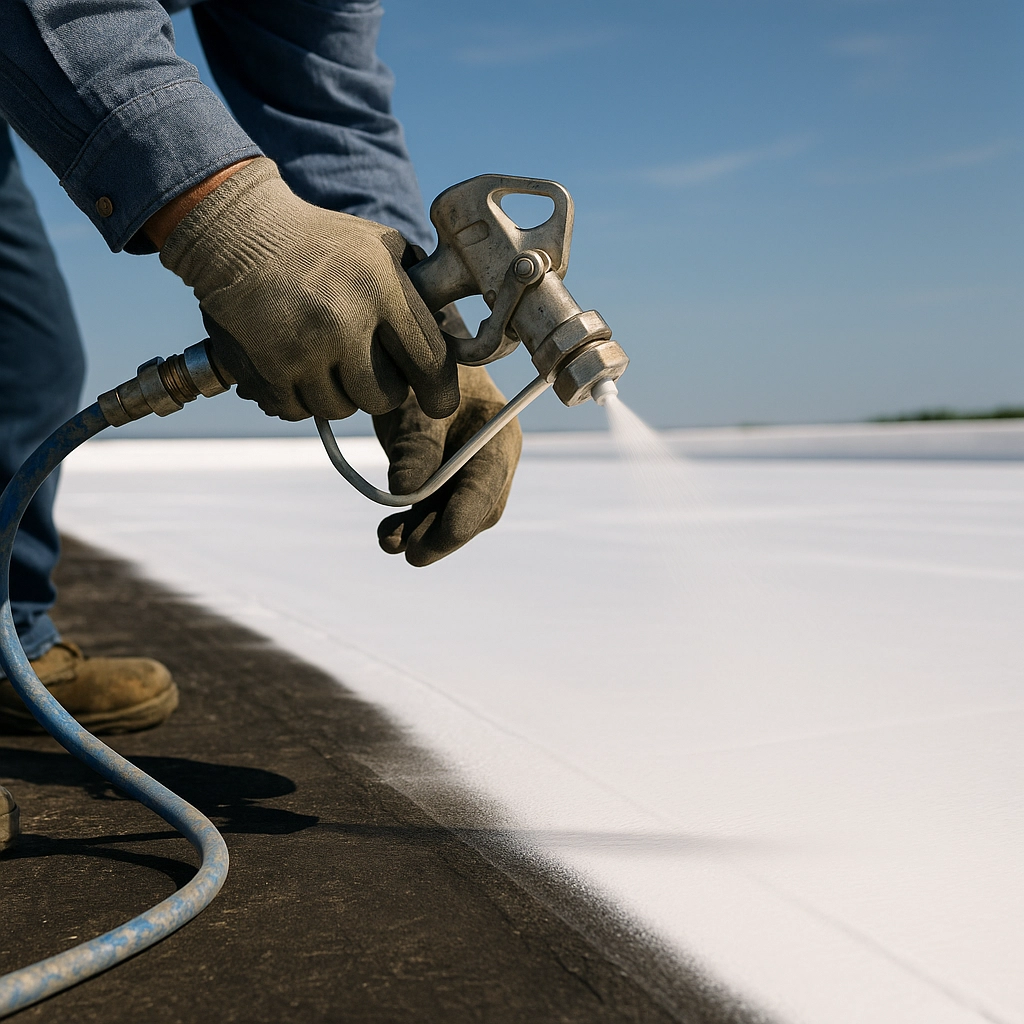
Here's a secret that could save your coating job: poor surface preparation is the most common cause of coating failure. Yet it's the step most likely to be rushed or inadequately performed because it's time-consuming and not very profitable.
Proper prep includes:
If your roof has standing water problems, coating won't fix them. Any contractor who tells you otherwise is either inexperienced or dishonest. Fix the drainage first, then coat.
Weather during application significantly impacts coating performance, but some companies will push ahead with work even when conditions aren't ideal. Here's what you need to know:
Temperature and humidity matter. Most coatings have specific temperature and humidity ranges for proper application. Apply outside these ranges and you're asking for adhesion problems and premature failure.
Wind can create uneven coverage. Strong winds can cause overspray, create thin spots, or blow debris onto wet coating surfaces.
Morning dew can be a silent killer. Applying coating over moisture-laden surfaces can trap water underneath, leading to bubbling and adhesion failure.
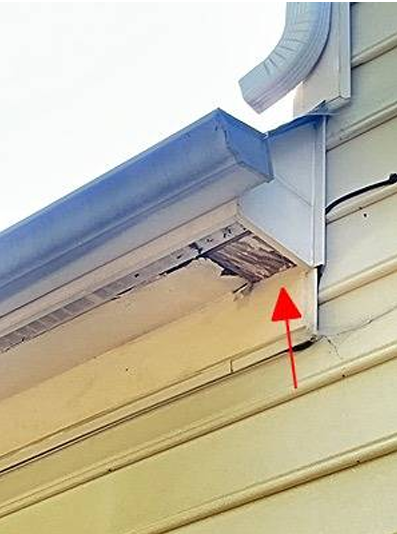
The reality is that things go wrong with roof coating jobs more than customers realize. Here are the quality control issues that companies prefer not to discuss:
Inconsistent coverage is common. Poor equipment maintenance, inadequate material measurement, or rushed application can create thin spots that compromise the entire system.
Some contractors cut corners. When inspection time comes, problems surface that require rework and delays. Unfortunately, some contractors prioritize speed over quality.
Material quality varies dramatically. Not all roof coatings are created equal, but price shopping often leads to inferior materials that don't perform as expected.
Now that you know these industry secrets, here's how to use this knowledge:
Get multiple opinions before committing to a full roof replacement. Ask specifically about coating options and get detailed explanations for why they might or might not work for your situation.
Demand proper surface preparation. Make sure your contractor explains their prep process in detail and allocates adequate time for it.
Verify weather conditions on application days. Don't let contractors pressure you into proceeding when conditions aren't ideal.
Ask about coating thickness and application methods. A knowledgeable contractor should be able to explain their process and material specifications.
Require maintenance guidelines. Any quality coating system comes with specific maintenance requirements. Make sure you understand what's needed to protect your investment.
Remember, a good roofing contractor will be transparent about these factors and work with you to choose the best solution for your specific situation. They'll explain the pros and cons of different approaches and help you make an informed decision.
At Best Roofing Now, we believe in educating our customers about all their options. Sometimes that means recommending a coating instead of a replacement, even when it means less revenue for us. But that's what building long-term relationships is all about – honesty, transparency, and putting your needs first.
The roofing industry doesn't have to be full of secrets and surprises. When you work with contractors who prioritize education and transparency, you can make confident decisions that protect both your home and your wallet.
Best Roofing Now
Charlotte's trusted roofing experts since 2019
Need help with your roof? Explore our professional roofing services in Charlotte NC.
Get a free roof inspection and honest assessment from Charlotte's most trusted roofing company.

