
Roofing Tips & Guides
Expert Roofing Advice for Charlotte Homeowners
Learn from Charlotte's trusted roofing experts. Tips on maintenance, repair, replacement, and protecting your home from the elements.
Learn from Charlotte's trusted roofing experts. Tips on maintenance, repair, replacement, and protecting your home from the elements.

Winter in Lake Norman might not bring the heavy snow loads you'd see up north, but don't let that fool you. Our North Carolina winters pack their own punch with freezing rain, ice storms, and those brutal freeze-thaw cycles that can wreck an unprepared roof.
I've been working roofs around Charlotte and Lake Norman for years, and I can tell you this: the homeowners who take winter prep seriously save thousands in repairs later. The ones who don't? Well, they're the folks calling us at 2 AM when their ceiling starts dripping.
Let's walk through exactly what you need to do to get your roof ready for whatever winter throws at us.
Most folks around here think our mild winters mean easy roof maintenance. That's not true. Our weather pattern of warm days followed by freezing nights creates more roof stress than steady cold weather.
When snow melts during the day and refreezes at night, it expands in every crack and gap. That expansion force can split shingles, widen flashing gaps, and push water into places it should never go.
Plus, we get those surprise ice storms that coat everything in a thick layer of ice. I've seen gutters ripped clean off houses and shingles cracked like eggshells after these events.
The key is preparing before the first freeze hits. Once ice forms, it's too late for most preventive measures.
Walk around your house and look up. I know it sounds basic, but most people never really look at their roof until something goes wrong.
Look for missing or damaged shingles. Dark patches usually mean the granules are wearing off. Curling edges mean shingles are getting brittle. Any visible damage needs attention before winter weather hits.
Check your gutters from the ground. If you see them sagging or pulling away from the house, that's a problem waiting to get worse when ice loads hit.
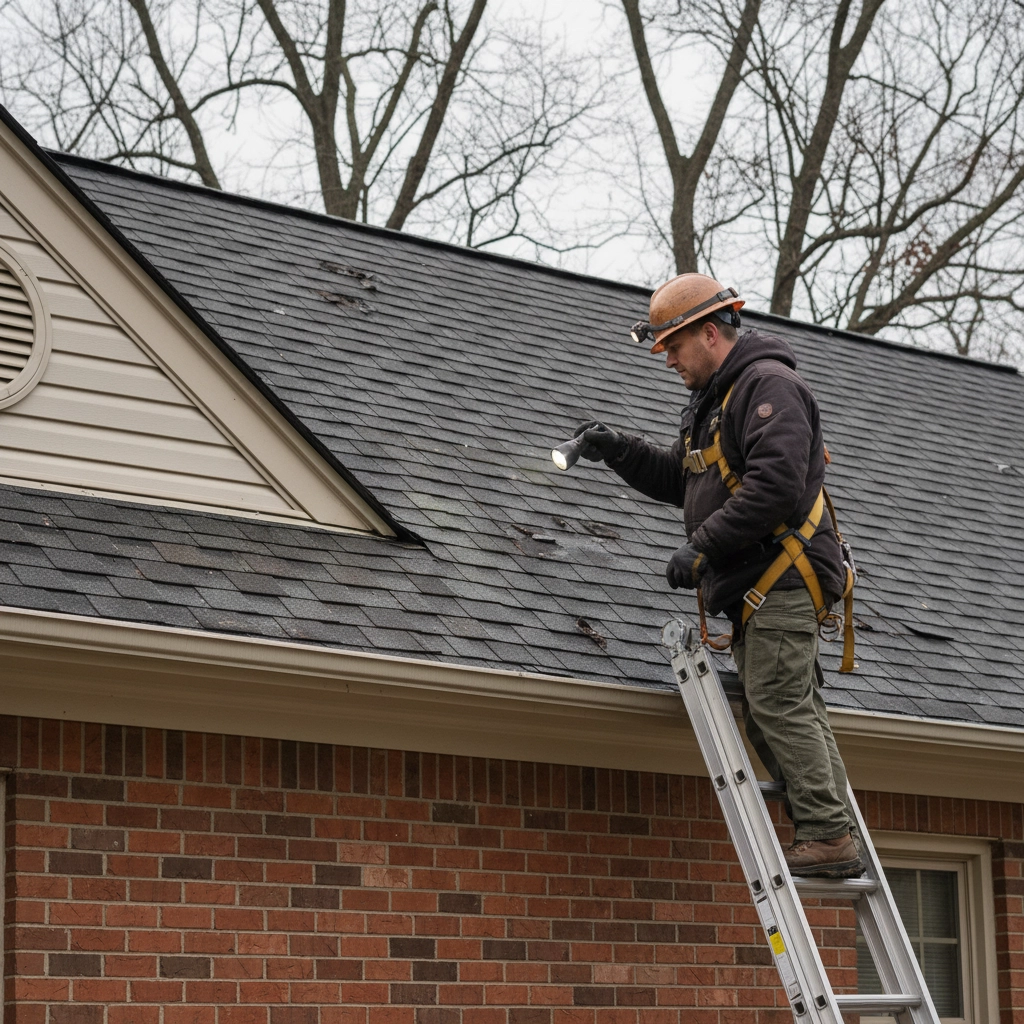
Don't climb up there yourself unless you're experienced and have proper safety equipment. A fall from your roof will cost way more than hiring a professional for inspection.
This is the big one. Clogged gutters cause more winter roof problems than anything else in our area.
When gutters can't drain properly, water backs up onto your roof. In winter, that backed-up water freezes and creates ice dams. These dams force water under your shingles and into your house.
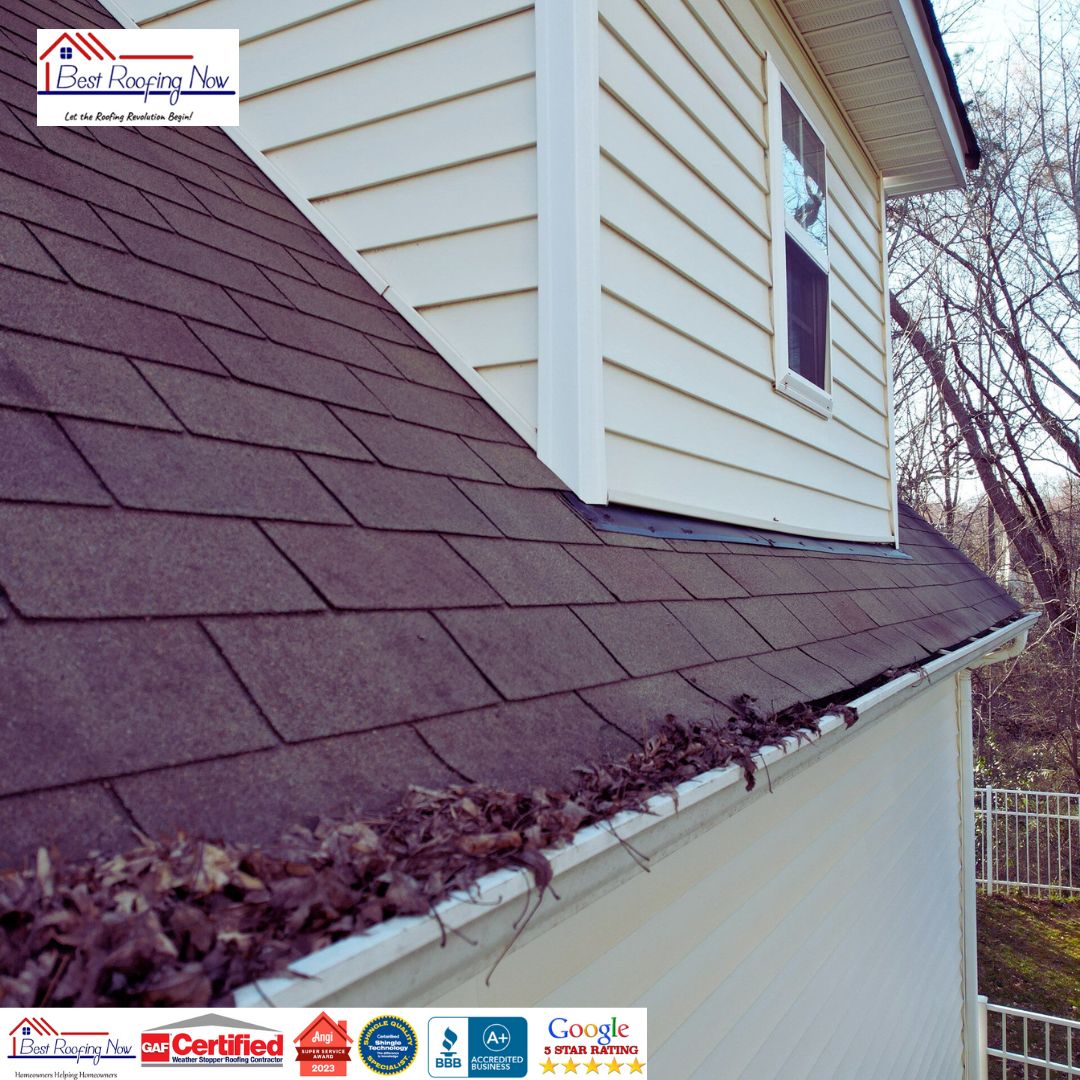
I recommend cleaning gutters twice before winter – once in early fall after most leaves drop, and again in late fall before the first freeze. Make sure downspouts are clear too. Run water through them to test flow.
If your gutters fill up with leaves every year, consider installing gutter guards. They're not perfect, but they reduce maintenance and improve winter performance.
Flashing is those thin metal strips around chimneys, vents, skylights, and anywhere your roof meets a wall. It's designed to direct water away from vulnerable areas.
Over time, flashing loosens, cracks, or develops gaps. During freeze-thaw cycles, water gets into these gaps, freezes, and makes the problems worse.
Check all flashing areas carefully. Look for rust, gaps, or places where the flashing has pulled away from the roof or wall. Small gaps can be sealed with roofing cement, but larger problems need professional repair.
Don't use regular caulk on flashing repairs. It won't last through our freeze-thaw cycles. Use proper roofing sealants designed for temperature changes.
Trees look beautiful, but branches hanging over your roof are winter hazards waiting to happen.
Ice storms are common in our area. When ice builds up on branches, the extra weight can snap them off. A heavy branch falling on your roof can cause serious damage to shingles, gutters, and even the roof structure.
Even without breaking, branches scrape against your roof when wind blows. This scraping wears away shingle granules and can create weak spots.
Trim branches back at least 10 feet from your roof. For large branches near power lines, hire a professional tree service. It's not worth the risk of electrocution.
Poor attic ventilation causes ice dams, which are one of the worst winter roof problems.
Here's how it works: Heat from your house rises into the attic. If the attic isn't properly ventilated, that heat warms your roof and melts snow. The melted water runs down to the cold edges of your roof and freezes, creating a dam.
This dam blocks proper drainage and forces water under your shingles. I've seen ice dams cause thousands of dollars in interior water damage.
Make sure your attic has both intake vents (usually in the soffits) and exhaust vents (at or near the ridge). Air should flow in through the soffits and out through the ridge vents.
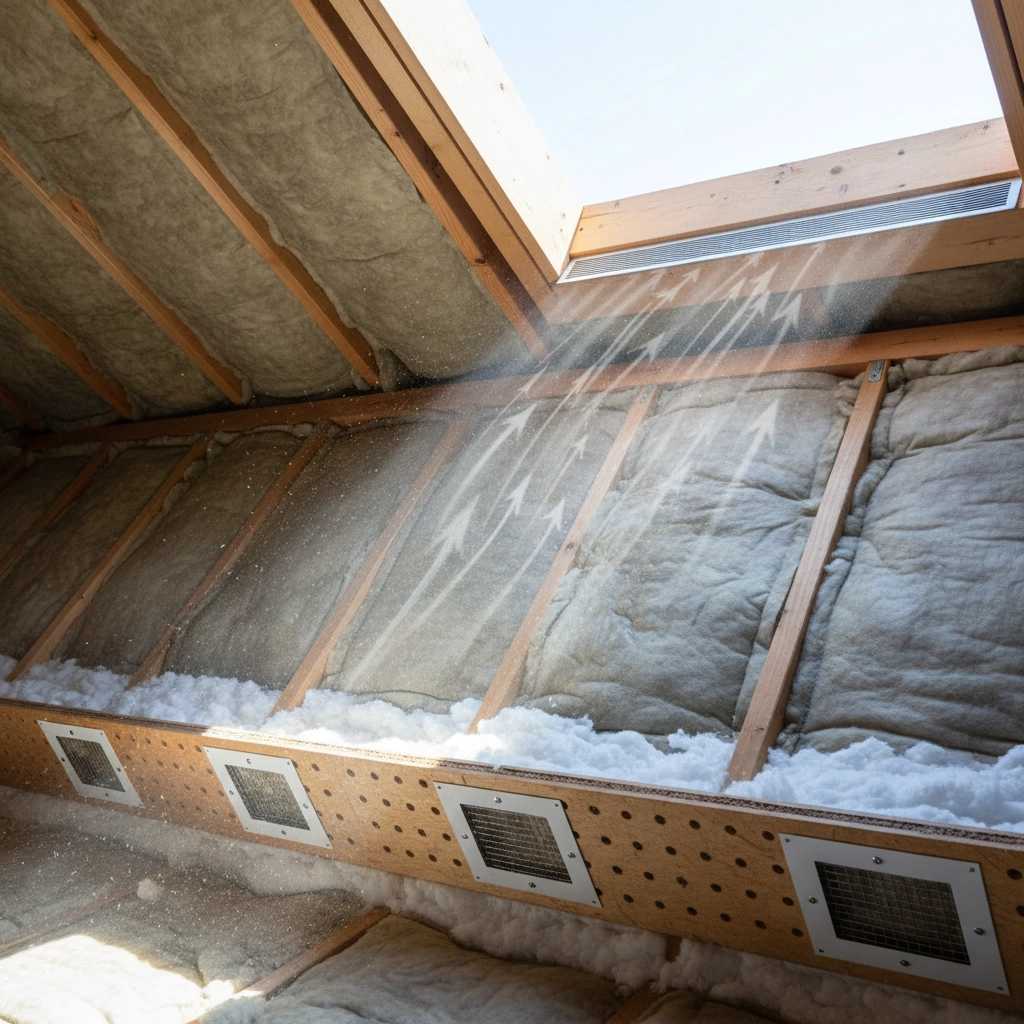
Also check that insulation isn't blocking the soffit vents. Proper attic ventilation keeps your roof cold, prevents ice dams, and actually saves energy.
Any place where pipes, vents, or wires penetrate your roof is a potential leak point. These areas use rubber boots or flashing to seal around the penetration.
Check all these seals before winter. Rubber boots crack over time, especially in our temperature swings. Replace any cracked boots and apply fresh sealant around questionable areas.
Pay special attention to plumbing vents, electrical mast, and satellite dish mounting points. These are common leak sources during winter weather.
I already mentioned these, but they're worth explaining in detail because they cause so much damage.
Ice dams form when your roof surface is warm enough to melt snow, but the edges stay cold enough to freeze the runoff. The ice buildup at the roof edge blocks proper drainage.
Water backs up behind the ice dam and sits on your roof longer than it should. Eventually, this standing water finds its way under shingles and into your house.
Prevention is key with ice dams. Proper attic insulation and ventilation keep your roof surface uniformly cold so snow doesn't melt unevenly.
Cold weather makes asphalt shingles brittle. Wind that wouldn't normally damage shingles can crack or blow off brittle winter shingles.
This is especially true for older roofs or shingles that were already losing granules. The combination of cold temperatures and wind can cause significant damage in a single storm.
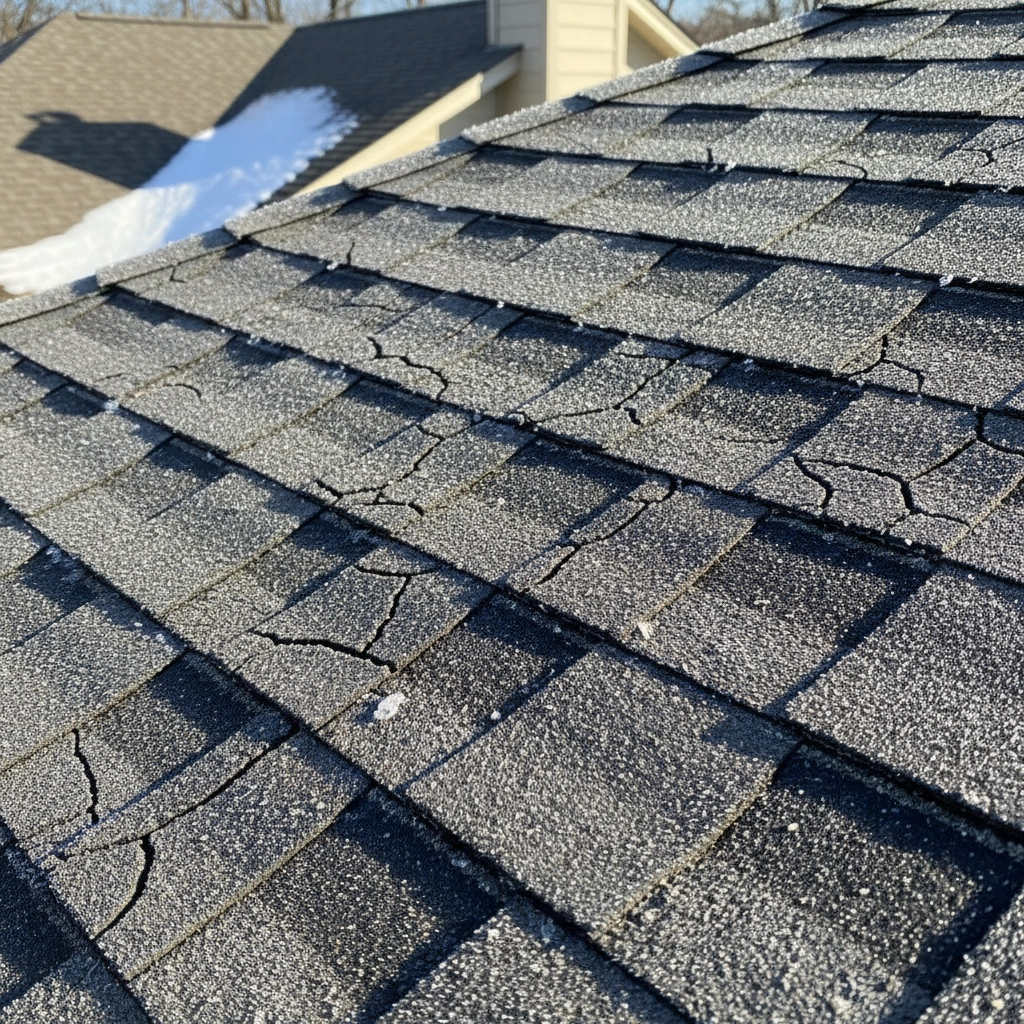
If your shingles are more than 15 years old, consider having them inspected before winter. It's better to replace a few damaged shingles in fall than deal with leaks during winter storms.
Ice buildup in gutters creates tremendous weight. I've seen gutters pulled completely off houses by ice loads.
Even if gutters don't fall off, ice damage can create gaps that allow water to run behind the gutters and damage your fascia boards.
Make sure gutters are properly secured before winter. Loose gutters won't survive ice loading.
Freeze-thaw cycles are hard on flashing. Water gets into small gaps, freezes, expands, and makes the gaps bigger. After several cycles, what started as a minor gap becomes a major leak.
This is especially common around chimneys and skylights. These areas get a lot of thermal stress from temperature changes.
Poor ventilation doesn't just cause ice dams. It also allows moisture to build up in your attic during winter.
When warm, moist air from your house rises into a poorly ventilated attic, it condenses on cold surfaces. This condensation can cause mold growth and even rot roof decking over time.
Good ventilation prevents moisture problems and keeps your attic dry through winter.
Some roof preparation tasks are suitable for homeowners, but others require professional expertise.
DIY-Friendly Tasks:
Professional-Required Tasks:
If you're not comfortable on a ladder or don't have proper safety equipment, hire professionals for any roof work. The cost of professional service is much less than the cost of a fall injury.
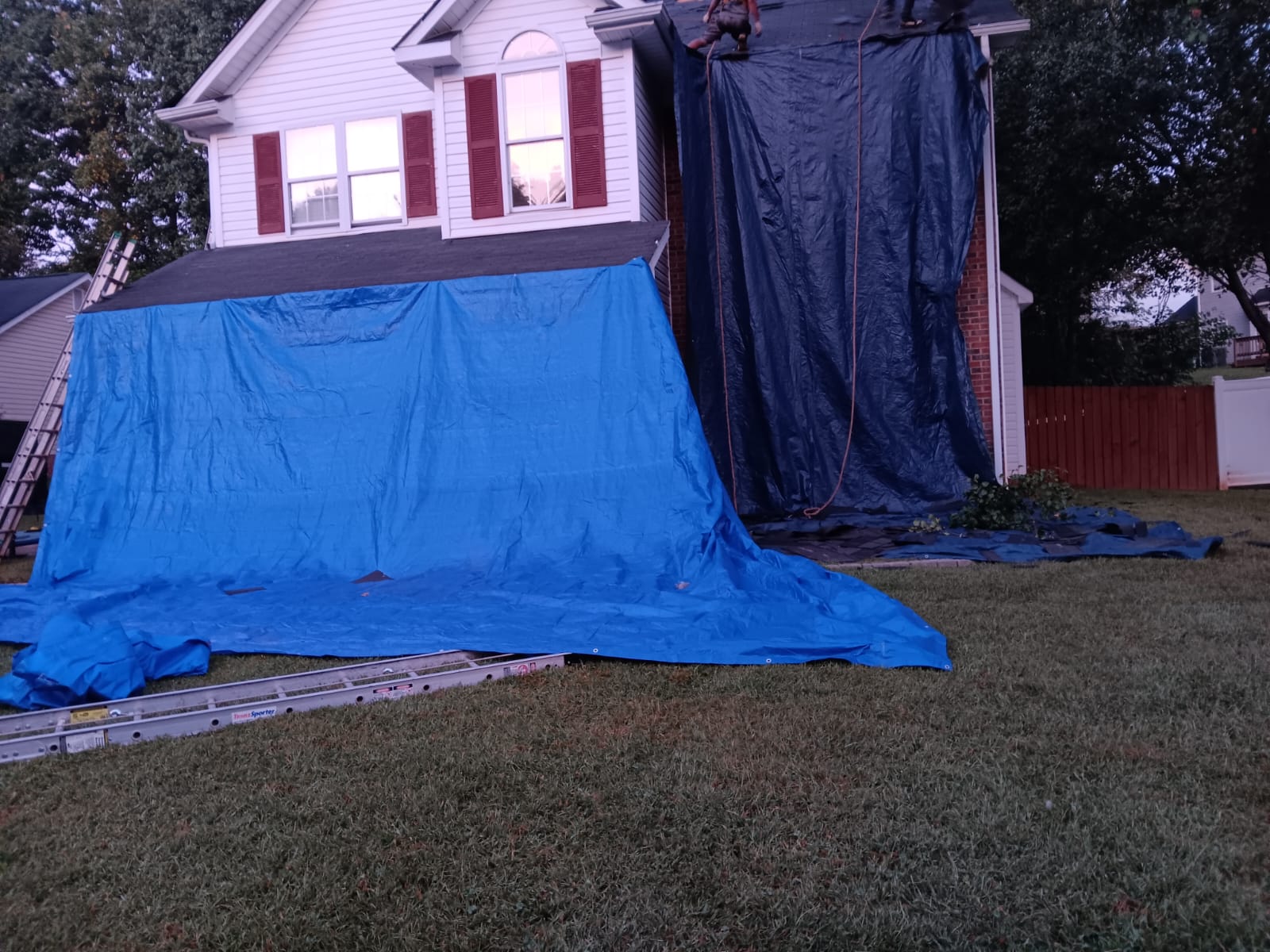
A professional inspection also catches problems you might miss. We know what to look for and can spot early-stage issues before they become major repairs.
Early Fall (September-October):
Late Fall (November):
Early Winter (December):
Don't wait until the first freeze warning to start winter prep. Once cold weather arrives, many repair materials won't work properly, and working conditions become dangerous.
Even with good preparation, winter storms can cause unexpected problems. Keep these supplies on hand:
Never try to remove ice dams yourself. The process is dangerous and improper removal can damage your roof worse than the ice dam itself.
If your roof is more than 20 years old, consider replacement before winter rather than just repairs. Old roofs are more vulnerable to winter damage and repairs often don't hold up well in freeze-thaw cycles.
Modern shingles and underlayment materials perform much better in winter conditions than older products. Investing in a new roof now can prevent years of winter repair problems.
Also consider upgrading your attic insulation and ventilation when replacing your roof. Proper attic conditioning prevents most winter roof problems before they start.
Call a roofing professional immediately if you notice:
Don't wait for small problems to become big ones. Winter weather makes existing problems worse quickly.
At Best Roofing Now, we see the same preventable problems every winter. Homeowners who skip fall preparation end up with emergency repairs that cost much more than preventive maintenance.
Winter prep isn't complicated, but it does require attention to detail and proper timing. Start your preparation now while weather conditions are still good for outdoor work.
If you haven't had your roof professionally inspected in the last two years, that should be your first step. A professional can identify problems you might miss and recommend the most cost-effective solutions.
Don't gamble with your largest investment. A few hours of preparation now can save you thousands in winter repair costs and keep your family dry and comfortable all season long.
Ready to get your Lake Norman home winter-ready? Contact Best Roofing Now today for a comprehensive roof inspection and preparation plan. We'll make sure your roof is ready for whatever this winter brings. Call us at [phone number] or visit https://cms.bestroofingnow.com to schedule your free inspection.
Best Roofing Now
Charlotte's trusted roofing experts since 2019
Need help with your roof? Explore our professional roofing services in Charlotte NC.
Get a free roof inspection and honest assessment from Charlotte's most trusted roofing company.

