
Roofing Tips & Guides
Expert Roofing Advice for Charlotte Homeowners
Learn from Charlotte's trusted roofing experts. Tips on maintenance, repair, replacement, and protecting your home from the elements.
Learn from Charlotte's trusted roofing experts. Tips on maintenance, repair, replacement, and protecting your home from the elements.

Picture this: You're getting a roofing estimate for your Charlotte home, and the contractor starts throwing around terms like "soffit," "underlayment," and "valley flashing." Your eyes glaze over, you nod politely, but inside you're thinking, "What the heck are they talking about?"
You're not alone. Every day, Charlotte homeowners find themselves in conversations with roofing contractors feeling like they need a translator. The roofing industry, like many trades, has its own language that can sound pretty intimidating to the average homeowner.
But here's the thing – understanding these basic roofing terms isn't just about sounding smart during contractor meetings. It's about being an informed homeowner who can make better decisions about one of your biggest investments: your roof.
So let's break down the five most commonly misunderstood roofing terms that Charlotte customers encounter, and explain them in plain English that actually makes sense.
When most Charlotte homeowners think about their roof, they picture the shingles they can see from the street. But underneath those shingles lies something just as important – the underlayment.
Think of underlayment as your roof's raincoat. It's a water-resistant or waterproof barrier that gets installed directly onto your roof deck, before the shingles go on top. This layer is like having a backup goalie in hockey – if water somehow gets past your shingles (and trust me, it happens), the underlayment is there to catch it and direct it away from your home's interior.
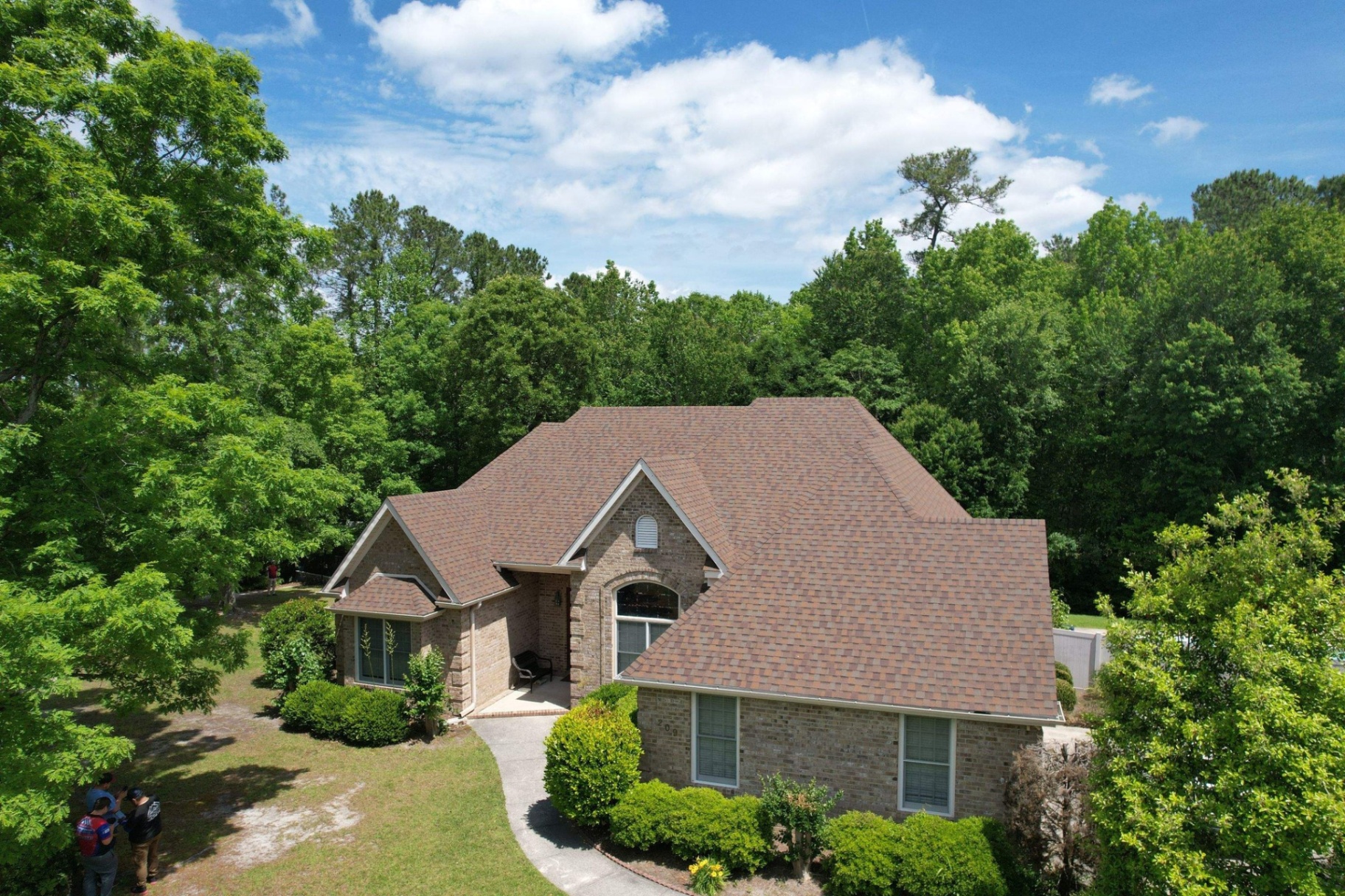
In Charlotte's climate, where we get everything from summer thunderstorms to winter ice, underlayment becomes even more critical. During those heavy downpours we're famous for, wind can drive rain under shingles. Without proper underlayment, that water goes straight into your roof deck and eventually into your home.
Modern underlayment comes in different types – from basic felt paper to high-tech synthetic materials. The synthetic stuff costs a bit more, but it's like upgrading from a regular umbrella to one of those heavy-duty storm umbrellas. Worth every penny when the weather gets nasty.
Here's what most people don't realize: underlayment isn't optional. It's required by building codes, and any reputable Charlotte roofer will include it in their estimate. If someone tries to skip it to save money, run the other way.
If I had a dollar for every time a Charlotte homeowner asked "What's a soffit?" during a roofing consultation, I could probably buy a new truck. The soffit is one of those things that's hiding in plain sight.
Look up at your house from the outside. See where your roof overhangs past the walls? Now look at the underside of that overhang – that flat, horizontal surface is your soffit. It's basically the "ceiling" of your roof's overhang.
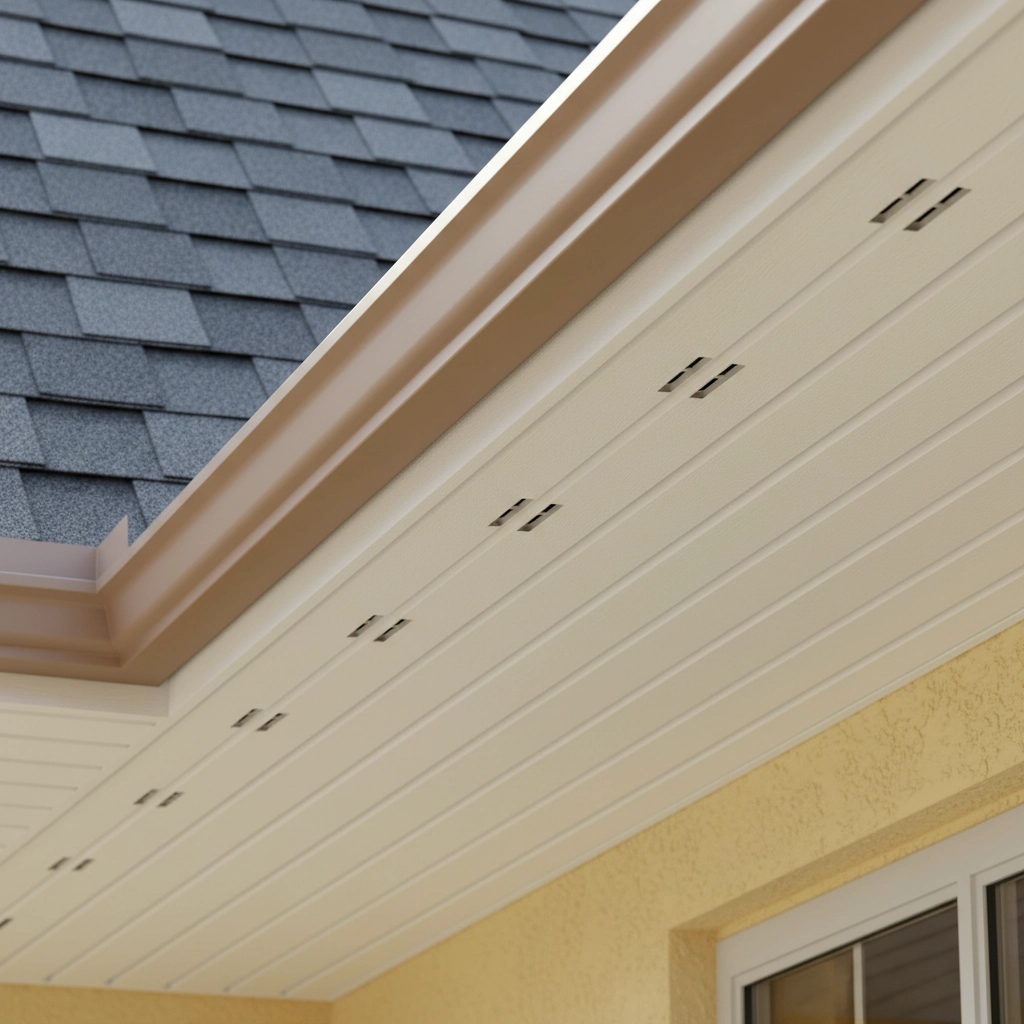
But soffits do way more than just look pretty. They're actually a crucial part of your home's ventilation system. Most modern soffits have vents cut into them that allow fresh air to flow up into your attic. This might not sound like a big deal, but proper attic ventilation can save you hundreds of dollars on energy bills and prevent major problems like ice dams in winter.
In Charlotte, where summer temperatures can make your attic feel like an oven, soffit ventilation becomes even more important. Without it, that hot air has nowhere to go, which means your air conditioning system has to work overtime to keep your house comfortable.
Soffits also protect the exposed rafters and roof deck from the elements. Without them, you'd have wood exposed to rain, snow, and all the moisture that comes with Charlotte's humidity.
When contractors talk about valleys, they're not referring to the beautiful mountain valleys around Charlotte. In roofing terms, a valley is where two sloping sections of your roof meet and form an internal angle.
Picture a house with an L-shaped roof, or one with dormers, additions, or multiple roof lines. Wherever those roof sections come together and form an inward corner, that's a valley. And valleys are trouble magnets.
Here's why: valleys collect water from two different roof surfaces. If your regular roof surface gets one unit of water runoff during a storm, your valleys get double that. It's like having two garden hoses pointing at the same spot instead of one.
That's why proper valley construction is so critical. Most valleys use metal flashing – usually aluminum or galvanized steel – to create a waterproof channel that directs all that water down to your gutters. Cheap or improperly installed valley flashing is one of the most common causes of roof leaks in Charlotte homes.
When you're getting roofing estimates, pay special attention to how contractors plan to handle your valleys. Quality valley installation costs a bit more upfront, but it can save you thousands in water damage repairs down the road.
Every Charlotte homeowner knows about ridge lines – they're the peak of your roof where the two sides meet. But most people have never heard of ridge vents, even though they might have them on their house right now.
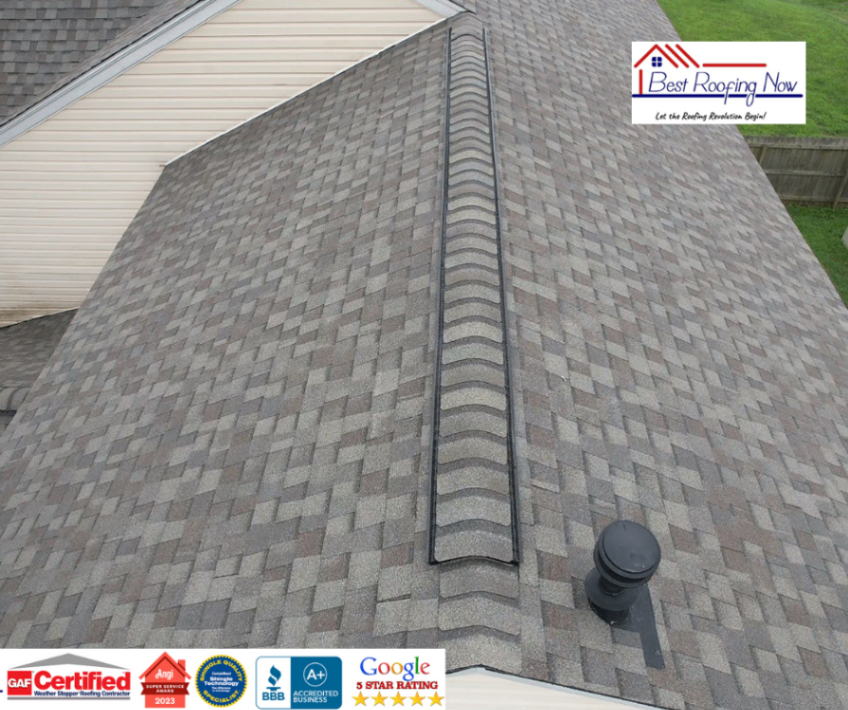
A ridge vent is a ventilation system that runs along the peak of your roof, usually hidden under special ridge shingles. You can't really see it from the ground, but it's working 24/7 to keep your attic properly ventilated.
Remember how we talked about soffit vents bringing fresh air into your attic? Ridge vents are the other half of the equation – they let that air escape. It's like having a continuous exhaust fan running along the top of your house.
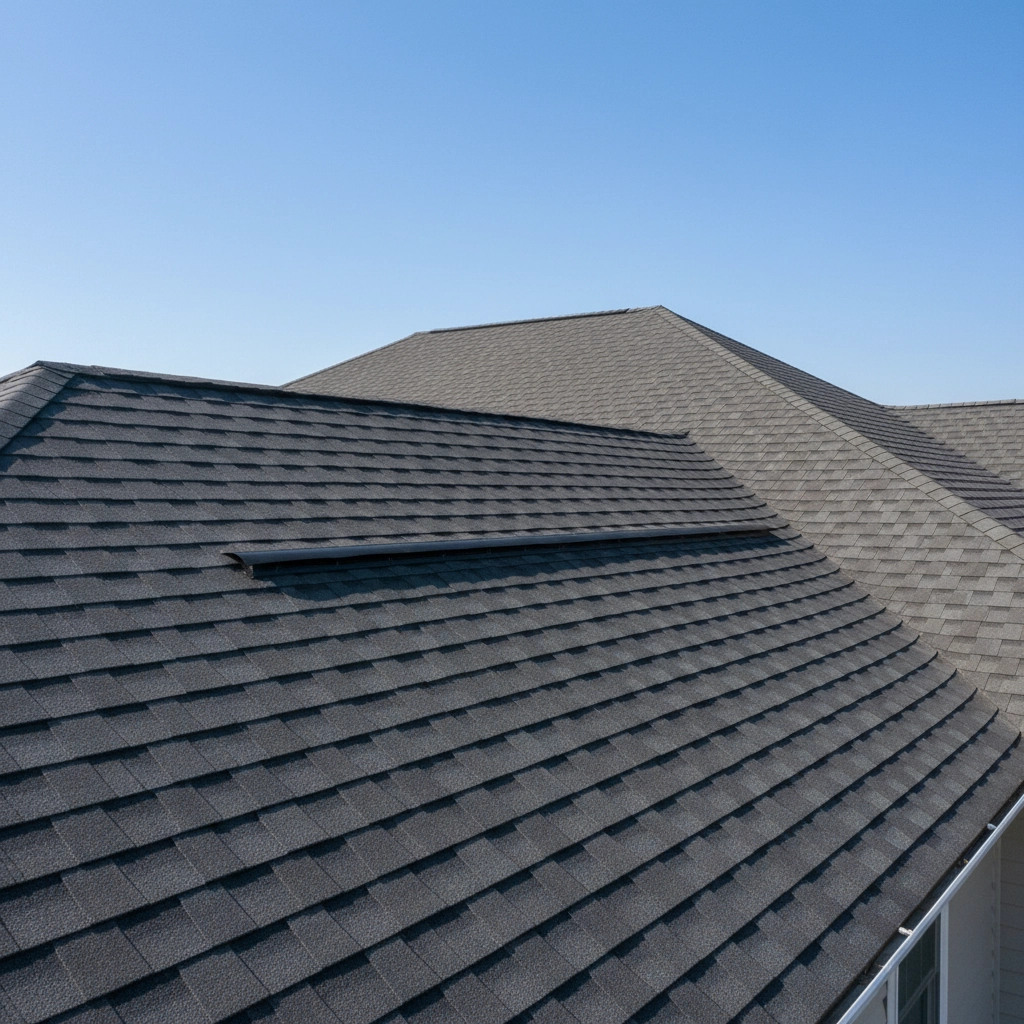
In Charlotte's hot, humid summers, ridge vents are incredibly valuable. Hot air naturally rises, and without a way to escape at the top of your attic, it just sits there, making your air conditioning work harder and potentially causing moisture problems.
Ridge vents also help in winter by preventing ice dams. When warm air gets trapped in your attic, it can melt snow on your roof, which then refreezes at the colder eaves, creating ice dams that can damage your roof and gutters.
The best part about ridge vents? They're virtually invisible and completely silent. Unlike those spinning turbine vents you might see on some roofs, ridge vents have no moving parts and work entirely through natural airflow.
This might be the most important roofing component that Charlotte homeowners know the least about. The roof deck – also called roof sheathing – is the structural foundation that everything else attaches to.
Think of your roof deck like the floor of your house, except it's slanted and above your head. It's typically made of plywood or OSB (oriented strand board) sheets that are nailed directly to your roof trusses or rafters.
Everything else – your underlayment, shingles, flashing, vents – gets attached to this roof deck. It's literally holding your entire roof system together and transferring the weight of everything (including snow loads, wind pressure, and the occasional repair person) down to your home's frame.

In Charlotte, roof decks take a beating from our weather. Summer heat and humidity can cause wood sheathing to expand and contract. Heavy rains can find their way to the deck if other roofing components fail. And if moisture does reach your roof deck, it can lead to rot, which compromises the structural integrity of your entire roof.
When you're getting a roof replacement, the condition of your roof deck is crucial. Sometimes contractors discover damaged or rotted deck boards that need to be replaced during the roofing process. This isn't fun news for your budget, but it's absolutely necessary – you can't install a new roof on a compromised foundation.
Knowing these five basic roofing terms isn't about impressing your neighbors at the next block party. It's about being an informed consumer who can have meaningful conversations with roofing contractors and understand what you're paying for.
When a Charlotte roofer talks about "upgrading your underlayment" or "improving your soffit ventilation," you'll know exactly what they mean and why it matters for your home. You'll be able to ask better questions, spot potential red flags, and make decisions based on understanding rather than confusion.
Plus, understanding your roof components helps you maintain your home better. You'll know what to look for during your own visual inspections and be able to communicate more effectively with contractors when problems arise.
Roofing doesn't have to be mysterious. These five terms – underlayment, soffit, valley, ridge vent, and roof deck – cover the basics that every Charlotte homeowner should understand.
The next time you're talking with a roofing contractor, don't be afraid to ask questions if you hear unfamiliar terms. Any reputable roofer will be happy to explain their work in language you can understand. And if they can't or won't take the time to educate you about your own roof, that might be a sign to look elsewhere.
At Best Roofing Now, we believe that informed customers make the best decisions. That's why we take the time to explain not just what we're doing, but why we're doing it. Because when it comes to protecting your Charlotte home, knowledge really is power.
Best Roofing Now
Charlotte's trusted roofing experts since 2019
Need help with your roof? Explore our professional roofing services in Charlotte NC.
Get a free roof inspection and honest assessment from Charlotte's most trusted roofing company.
