
Roofing Tips & Guides
Expert Roofing Advice for Charlotte Homeowners
Learn from Charlotte's trusted roofing experts. Tips on maintenance, repair, replacement, and protecting your home from the elements.
Learn from Charlotte's trusted roofing experts. Tips on maintenance, repair, replacement, and protecting your home from the elements.


Look, I'm going to be straight with you about something the commercial roofing industry doesn't love talking about: there are some insider truths about flat roof replacement that could save your Charlotte business thousands of dollars. After working with countless property owners, I've seen too many people get taken advantage of because they didn't know what questions to ask.
Here's the thing – the commercial roofing world is full of myths, half-truths, and expensive "solutions" that aren't always necessary. Today, I'm pulling back the curtain on what really happens during flat roof replacements and sharing the knowledge that smart property owners use to make better decisions.
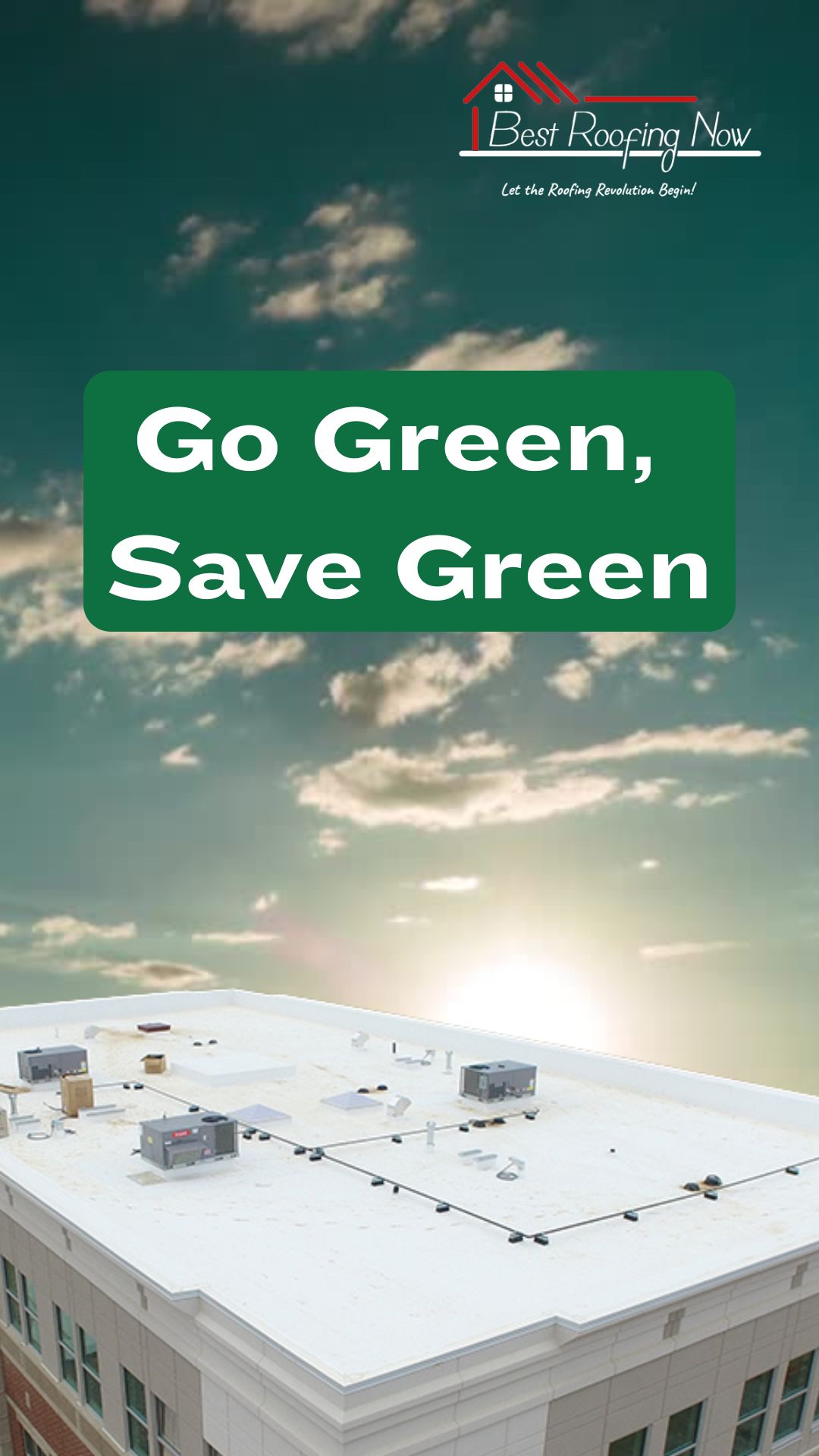
Let's start with the elephant in the room. If I had a dollar for every time someone told me "flat roofs always leak," I could probably buy a new truck. This outdated belief is costing Charlotte business owners money every single day.
Here's what contractors don't always mention upfront: modern flat roofing systems are incredibly reliable when installed correctly. The leak problems that gave flat roofs their bad reputation usually stem from three specific issues – poor installation by inexperienced contractors, skipped maintenance, or using the wrong membrane for your building's specific conditions.
But here's a secret that might blow your mind: 70% of flat roof leaks can be temporarily stopped using materials from your local hardware store. That emergency leak on a Friday afternoon? You probably don't need to pay weekend emergency rates for a permanent fix right away. This knowledge gives you leverage when negotiating with contractors.
Here's something that might surprise you – your "flat" roof isn't actually flat. Professional contractors know this, but it's not always explained clearly to property owners. Every properly designed flat roof has a subtle slope, typically at least 1/4 inch per foot, that directs water toward drains and gutters.
This slope system is called "positive drainage," and it's absolutely critical for your roof's performance. When contractors talk about drainage issues, they're really talking about areas where this slope has failed or was never properly established in the first place.
Most contractors will give you a basic timeline, but understanding the actual phases helps you ask better questions and spot potential red flags. Here's what really happens:
Phase 1: Dual Inspection
The inspection process should include both interior and exterior assessments. Inside, contractors look for water damage signs, structural issues, and mold. Outside, they're checking for membrane damage, flashing problems, and drainage system performance.
Phase 2: Detailed Estimates
A legitimate estimate should break down material costs, labor costs, inspection findings, scope of work, timeline, and contract terms. If someone gives you a number on a napkin, run.
Phase 3: Permits and Approvals
This can take anywhere from a week to a month, depending on your project complexity. Don't let contractors pressure you to skip permits – it's not worth the risk.
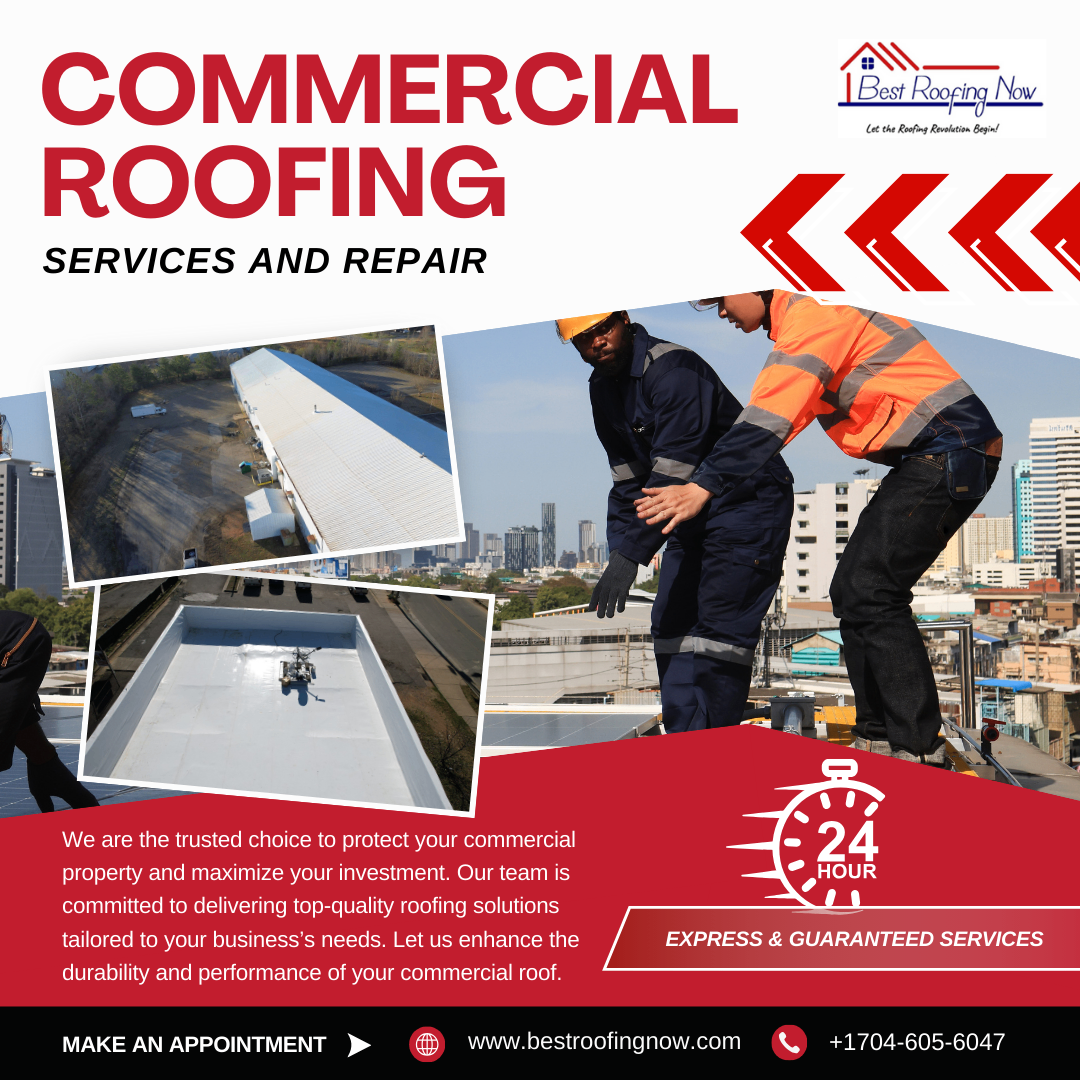
Phase 4: Demolition and Prep
This phase requires serious coordination. Equipment, dumpsters, and crew access all need to be planned carefully. If your contractor hasn't discussed how this affects your daily operations, that's a red flag.
Phase 5: Installation and Final Inspection
Quality contractors will walk you through the completed work and explain your warranty coverage in detail.
Here's where contractors make their real money – and where you can save yours. The maintenance strategies that extend roof life aren't complicated, but they require consistency.
The Inspection Schedule Truth
You don't need monthly inspections like some contractors suggest. Professional inspections once or twice a year, combined with simple visual checks after major weather events, will catch 95% of potential issues before they become expensive problems.
The UV Protection Game-Changer
UV damage is the silent killer of flat roofs, especially here in Charlotte where we get plenty of sun. High-quality UV-protective coatings can extend your roof's life by years, but not every contractor emphasizes this during installation.
Drainage Maintenance That Actually Works
Keep trees trimmed back from your building and clear debris from drains regularly. It sounds simple, but blocked drainage causes more flat roof problems than any other single issue.

The material conversation is where things get interesting. Contractors often have preferred suppliers and materials they're comfortable installing, but that doesn't mean they're always the best choice for your specific situation.
Modified Bitumen vs. Single-Ply Membranes
Modified bitumen systems are often more expensive upfront but can be more durable in high-traffic areas. Single-ply membranes like TPO and EPDM are cost-effective and energy-efficient, but they require more careful installation. Your contractor should explain these trade-offs clearly, not just push their preferred option.
The Insulation Factor
Adding or upgrading insulation during replacement can pay for itself through energy savings, but it's often presented as an expensive add-on rather than a smart investment.
Red Flags:
Green Lights:
Smart property owners understand that knowledge is power when dealing with commercial roofing projects. The contractors who try to keep you in the dark about these details are usually the ones you want to avoid.
Your flat roof replacement doesn't have to be a mystery. Ask questions about the slope design, drainage strategy, material options, and long-term maintenance requirements. A good contractor will appreciate your engagement and provide clear answers.
Remember, the goal isn't to become a roofing expert overnight – it's to have enough knowledge to make informed decisions and work with contractors who respect your intelligence and investment.
If you're dealing with flat roof issues in Charlotte and want straight answers from contractors who won't try to oversell you, reach out to our team. We believe informed customers make better decisions, and better decisions lead to roofs that perform reliably for decades.
The commercial roofing industry works best when everyone's on the same page. Now you know what questions to ask and what answers to expect. Use this knowledge wisely, and your flat roof investment will serve your business well for years to come.
Best Roofing Now
Charlotte's trusted roofing experts since 2019
Need help with your roof? Explore our professional roofing services in Charlotte NC.
Get a free roof inspection and honest assessment from Charlotte's most trusted roofing company.

