
Roofing Tips & Guides
Expert Roofing Advice for Charlotte Homeowners
Learn from Charlotte's trusted roofing experts. Tips on maintenance, repair, replacement, and protecting your home from the elements.
Learn from Charlotte's trusted roofing experts. Tips on maintenance, repair, replacement, and protecting your home from the elements.

When you're dealing with North Carolina's unpredictable weather, blazing summers in Charlotte that hit 95°F, surprise winter storms around Lake Norman, and those brutal spring storms that seem to come out of nowhere, your roof becomes your home's first line of defense. But it's also your biggest opportunity to slash those energy bills that spike every July and August.
After working with hundreds of homeowners across the Charlotte metro and Lake Norman region, I've seen firsthand how the right roofing material can cut cooling costs by 25-40% and heating bills by up to 20%. That's real money back in your pocket, year after year.
The key is understanding which materials work best in our specific climate zone. North Carolina sits in what building scientists call a "mixed humid" climate, we get hot, sticky summers and cold winters with occasional snow. This unique combination means we need roofing materials that can handle both extreme heat and sudden temperature swings.
If energy efficiency is your top priority, metal roofing dominates the competition in North Carolina. These systems can reduce your electricity bills by up to 40% compared to traditional asphalt shingles.
Here's why metal works so well in our climate: it reflects 70% of the sun's energy instead of absorbing it like dark asphalt shingles. On those scorching July days when your neighbor's asphalt roof hits 160°F, a quality metal roof stays around 100°F. That's a massive difference that translates directly to lower AC bills.
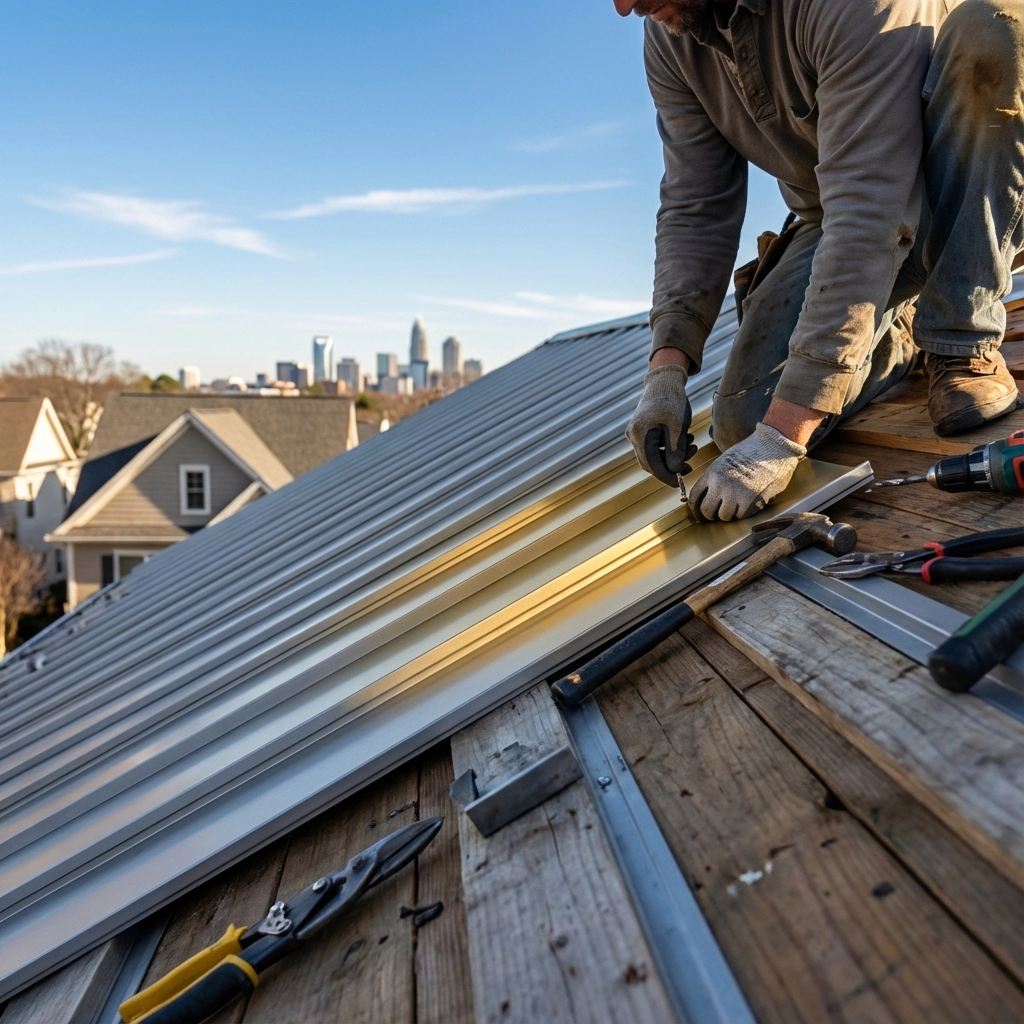
Metal roofing also creates what we call a "thermal break", a small air gap between the metal and your home's structure. This gap acts like a buffer zone, preventing heat from conducting directly into your attic space. Combined with proper ventilation, this keeps your entire home cooler.
Energy Benefits of Metal:
Durability in NC Climate:
Metal handles our weather extremes beautifully. It sheds snow and ice quickly (important for those surprise March storms), resists hurricane-force winds up to 170 mph, and won't crack from thermal expansion like some materials. Most metal roofs last 40-70 years with minimal maintenance.
The main downsides? Higher upfront costs and the need for professional installation to maximize energy benefits. But when you factor in energy savings and longevity, metal often pays for itself within 10-15 years.
Not ready to make the jump to metal? Solar reflective asphalt shingles offer a middle ground that delivers real energy savings while keeping that traditional roof appearance most Charlotte neighborhoods are used to.
These aren't your grandfather's asphalt shingles. Modern solar reflective shingles use special granules that bounce back sunlight instead of absorbing it. The best ones are ENERGY STAR certified and can reduce roof surface temperatures by 20-40°F.
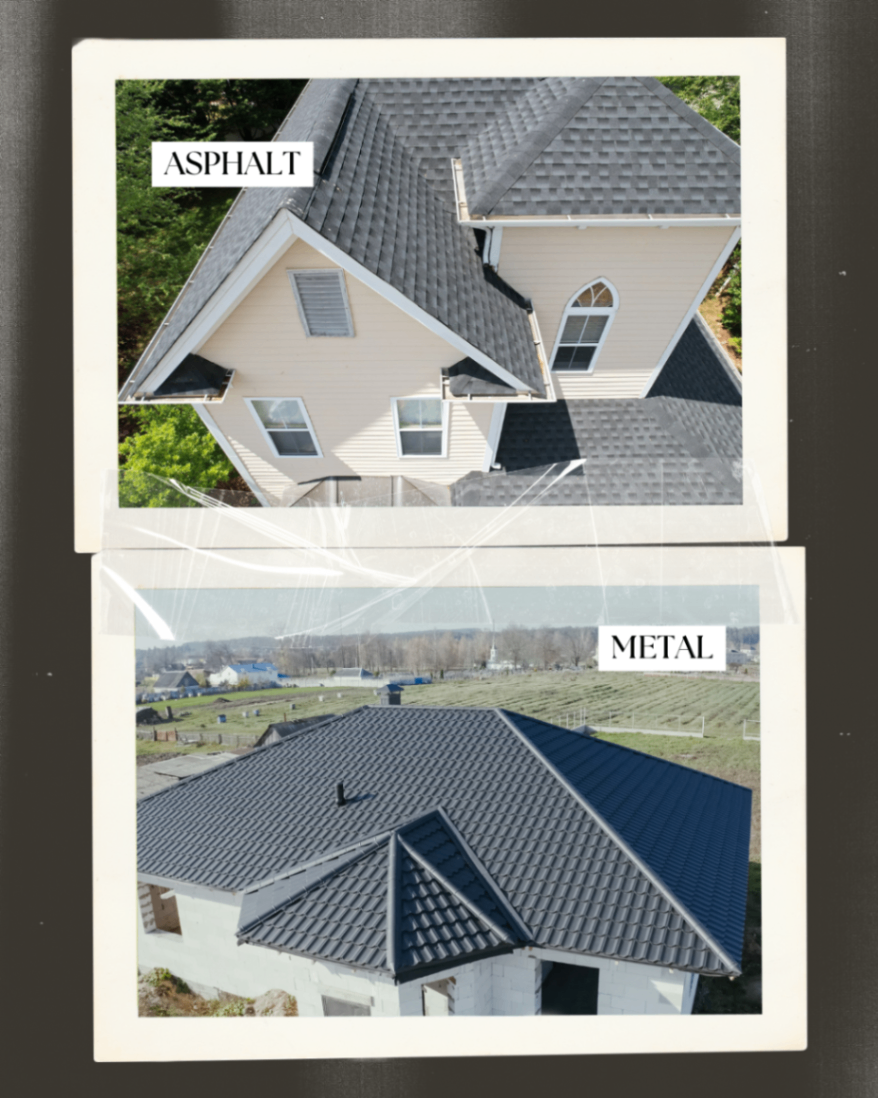
In our hot Carolina summers, this temperature reduction translates to attic spaces that stay 10-15 degrees cooler. That means your AC doesn't have to work as hard, and you'll notice the difference in your power bills starting with your first summer.
Key Benefits:
Considerations for NC:
These shingles work best in our inland areas like Charlotte, Concord, and Huntersville where summer heat is the biggest energy challenge. They're less ideal for coastal areas where wind resistance becomes more important.
Color matters too. Lighter colors reflect more heat, but even dark solar reflective shingles outperform standard dark shingles significantly. We often recommend medium tones that balance energy efficiency with curb appeal.
Already have an existing roof but want energy benefits without a full replacement? Cool roof coatings might be your answer, especially for flat or low-slope roofs common on commercial buildings and some residential designs.
These specialized coatings reflect up to 85% of sunlight and can drop roof temperatures by 50-80°F. For businesses around Lake Norman dealing with high cooling costs, this can mean 20-30% HVAC savings.
Best Applications:
The key is proper application. These coatings need clean, well-prepared surfaces to work effectively. When applied correctly, they can extend your existing roof's life while delivering immediate energy benefits.
Clay tile and slate roofing offer unique energy advantages through their natural thermal mass properties. These materials absorb heat slowly during the day and release it gradually at night, helping moderate temperature swings.
Slate, in particular, has been used for centuries because of its natural insulating properties. A quality slate roof can help keep homes cooler in summer and warmer in winter through thermal regulation.
Energy Performance:
NC Climate Considerations:
These materials work especially well in our mountain regions and areas with significant temperature variations. However, they're heavy and expensive, often requiring structural reinforcement.
For most Charlotte-area homes, the cost-benefit equation favors metal or advanced shingles. But for high-end custom homes or historic renovations, tile and slate offer unmatched longevity and performance.
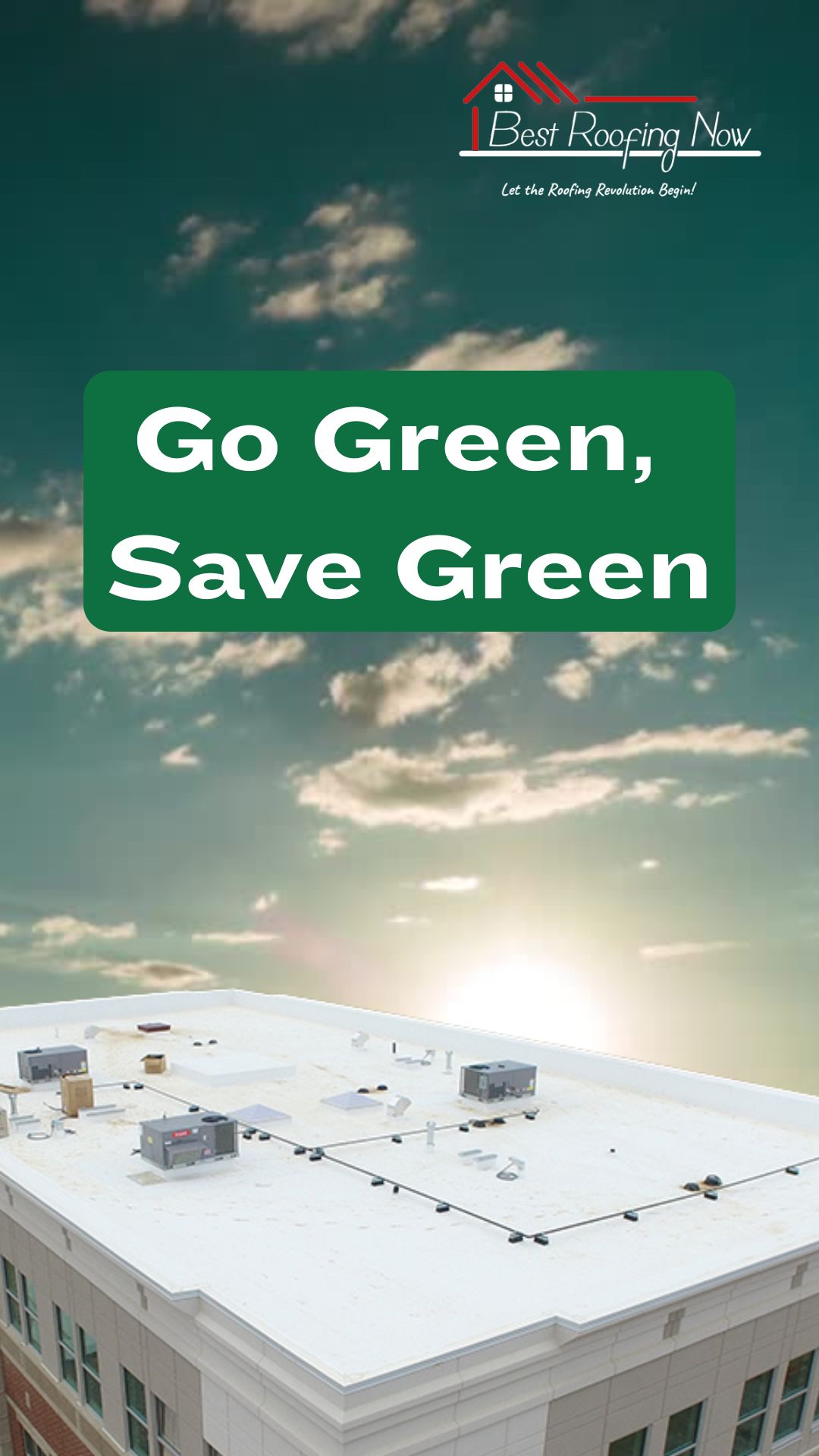
For flat or low-slope roofs common on commercial buildings, warehouses, and some modern residential designs, single-ply membrane systems like TPO and EPDM deliver outstanding energy performance.
TPO (thermoplastic polyolefin) is particularly effective in our hot, humid climate. White TPO membranes reflect up to 85% of sunlight and stay remarkably cool even on the hottest days. I've measured surface temperatures on quality TPO roofs that stay 40-50°F cooler than traditional built-up roofing.
Commercial Energy Benefits:
EPDM (ethylene propylene diene terpolymer) offers excellent durability and weather resistance. While typically black EPDM doesn't reflect as much heat as white TPO, it's incredibly durable and handles our weather extremes well.
Our state's diverse geography means energy priorities shift depending on location. Here's what I recommend based on regional climate patterns:
Charlotte Metro & Piedmont Region:
Hot summers are your biggest energy challenge. Focus on materials with high solar reflectance:
Mountain Regions (Asheville, Boone):
Temperature swings and winter heating matter more:
Coastal Areas:
Wind resistance plus energy efficiency:
Let me share something most contractors won't tell you: North Carolina's humidity affects energy efficiency as much as temperature. When it's 90°F outside with 80% humidity (a typical July day in Charlotte), your AC works overtime just to remove moisture from the air.
Reflective roofing materials help by keeping your attic cooler and reducing the overall heat load on your home. But the real energy savings come from the complete system, roof, ventilation, and insulation working together.
We've measured attic temperatures in homes with standard shingles hitting 140-150°F on summer afternoons. With proper reflective roofing and ventilation, those same attics stay around 100-110°F. That 40-degree difference is huge for energy costs.
After installing thousands of roofs across the Charlotte and Lake Norman region, here's my honest advice for different situations:
Maximum Energy Savings (Budget Not Primary Concern):
Go with metal roofing. Yes, it costs more upfront, but the energy savings, durability, and potential home value increase make it the smartest long-term investment. We see typical energy savings of 25-40% compared to standard shingles.
Best Value for Most Homeowners:
Solar reflective asphalt shingles offer the sweet spot of performance and affordability. You'll get significant energy benefits without the premium cost of metal. Look for ENERGY STAR certified products with good warranty coverage.
Commercial Properties:
White TPO membrane systems deliver the fastest payback through energy savings. For larger commercial buildings, the HVAC cost reduction can be substantial: often paying for the roof upgrade within 5-10 years.
Historic or High-End Homes:
Consider slate or tile for the ultimate in longevity and natural energy performance. These materials require higher investment but can last 50-100+ years with proper installation and maintenance.
Here's something critical that many homeowners overlook: even the most energy-efficient materials won't perform if they're not installed correctly. Poor installation can actually make energy efficiency worse by creating air leaks, thermal bridges, and ventilation problems.
Quality installation includes:
At Best Roofing Now, we see the installation as equally important as material selection. A properly installed standard shingle roof often outperforms premium materials with poor installation.
North Carolina building codes have specific requirements for energy efficiency, especially for new construction and major renovations. The current energy code requires minimum levels of roof reflectance in certain climate zones.
Many energy-efficient roofing materials also qualify for rebates and tax incentives:
Always check current rebate programs before making your final decision. These incentives can significantly offset the higher cost of premium energy-efficient materials.
After twenty years in the roofing business across North Carolina, I can tell you that energy-efficient roofing isn't just about being environmentally responsible: it's about smart financial planning. The right roof can cut your energy bills significantly while protecting your biggest investment.
For most homeowners in the Charlotte and Lake Norman region, the choice comes down to metal roofing for maximum performance or solar reflective shingles for balanced value. Both offer substantial energy savings compared to standard materials.
The key is working with contractors who understand our local climate and building science. Energy efficiency isn't just about the roofing material: it's about how that material works with your home's complete thermal envelope.
Your roof replacement or upgrade is a major decision that affects your home's comfort and energy costs for decades. Don't just focus on the lowest price or the prettiest color. Consider the total cost of ownership, including energy savings, maintenance requirements, and expected lifespan.
Ready to explore energy-efficient roofing options for your Charlotte or Lake Norman home? We offer free consultations where we can assess your current roof, discuss energy goals, and recommend the best materials for your specific situation and budget. Our team understands North Carolina's climate challenges and can help you make an informed decision that saves money for years to come.
Contact Best Roofing Now today to schedule your free energy assessment and roofing consultation. Let's find the perfect energy-efficient roofing solution that keeps your home comfortable and your energy bills low, no matter what North Carolina weather throws your way.
Best Roofing Now
Charlotte's trusted roofing experts since 2019
Need help with your roof? Explore our professional roofing services in Charlotte NC.
Get a free roof inspection and honest assessment from Charlotte's most trusted roofing company.


